Episode 8: Join the GI Movement
Demonstrations, labor organizing within the military, and a Hollywood show for GI resisters. Part two of our look at the GI anti-war movement. You may want to hear episode 5 first, to learn about GI newspapers and coffeehouses. In this episode, we dive into the stories of Susan Schnall, a Navy nurse who came up with an innovative way to get the word about a big anti-war march. We’ll also hear how Army soldier Andy Stapp took unionizing efforts to the military; and Jane Fonda headlines a show tailor-made for anti-war GIs.
Guests/Subjects
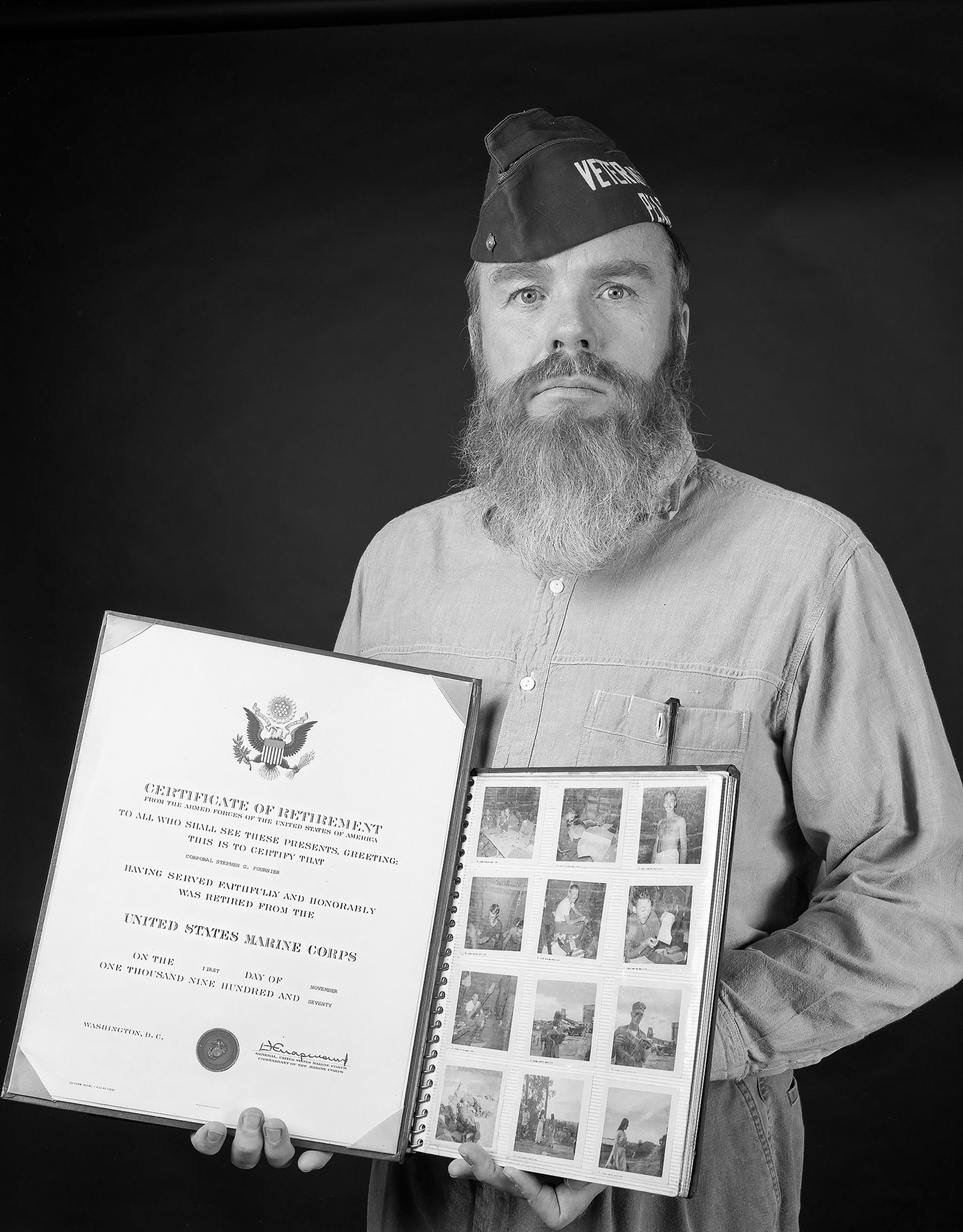
- Steve Fournier: Enlisted Marine Corps 1966-68. Served in Vietnam 1967-68. Wounded twice and given a medical retirement. Spoke at an anti-war rally in Boston two weeks before being discharged from the military.
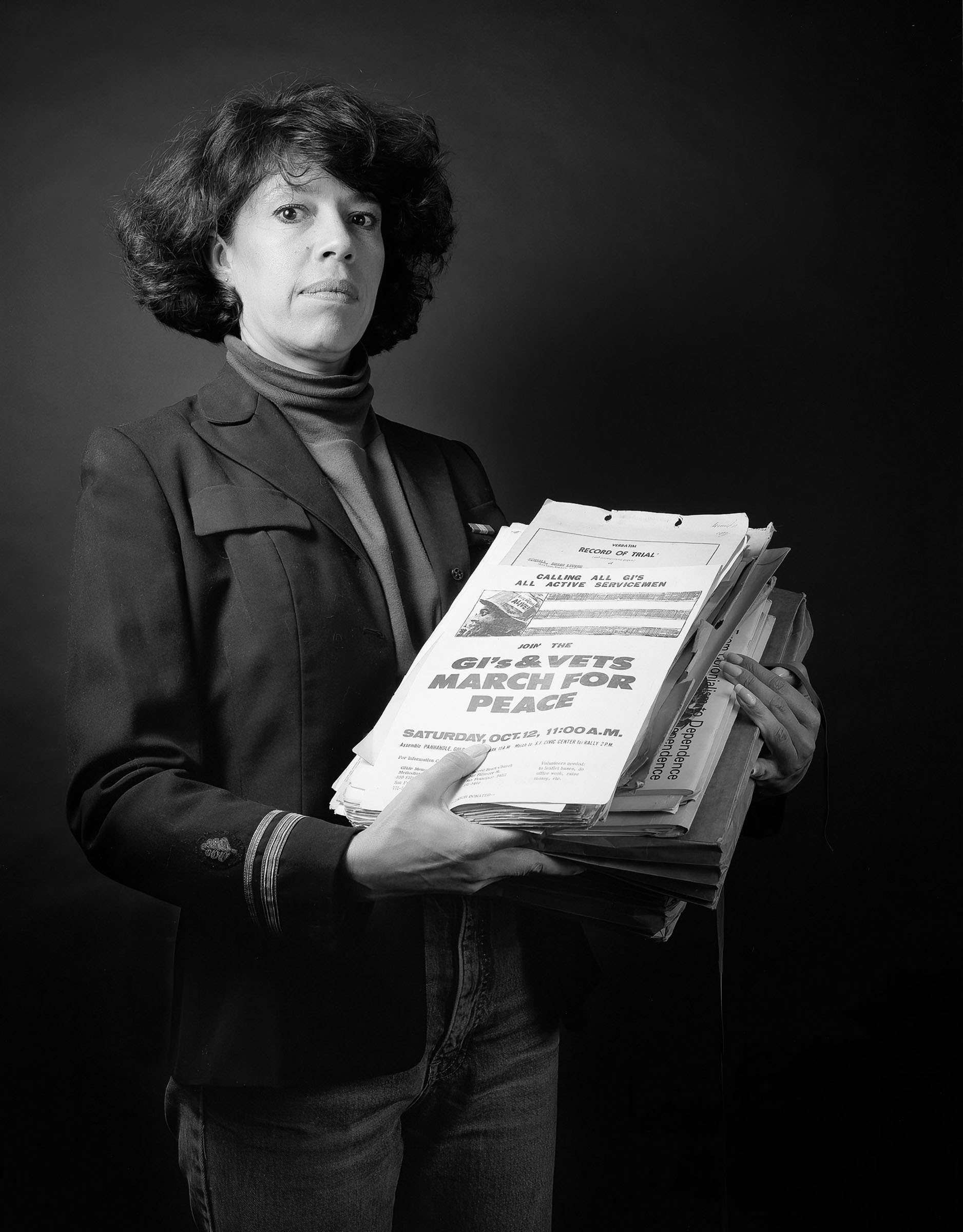
- Susan Schnall: Enlisted Naval Reserves 1965-69. Navy nurse stationed in SF. Court-martialed for dropping leaflets from an airplane announcing the GI and Veterans March for Peace in 1968 in San Francisco, and for speaking at the rally in uniform.
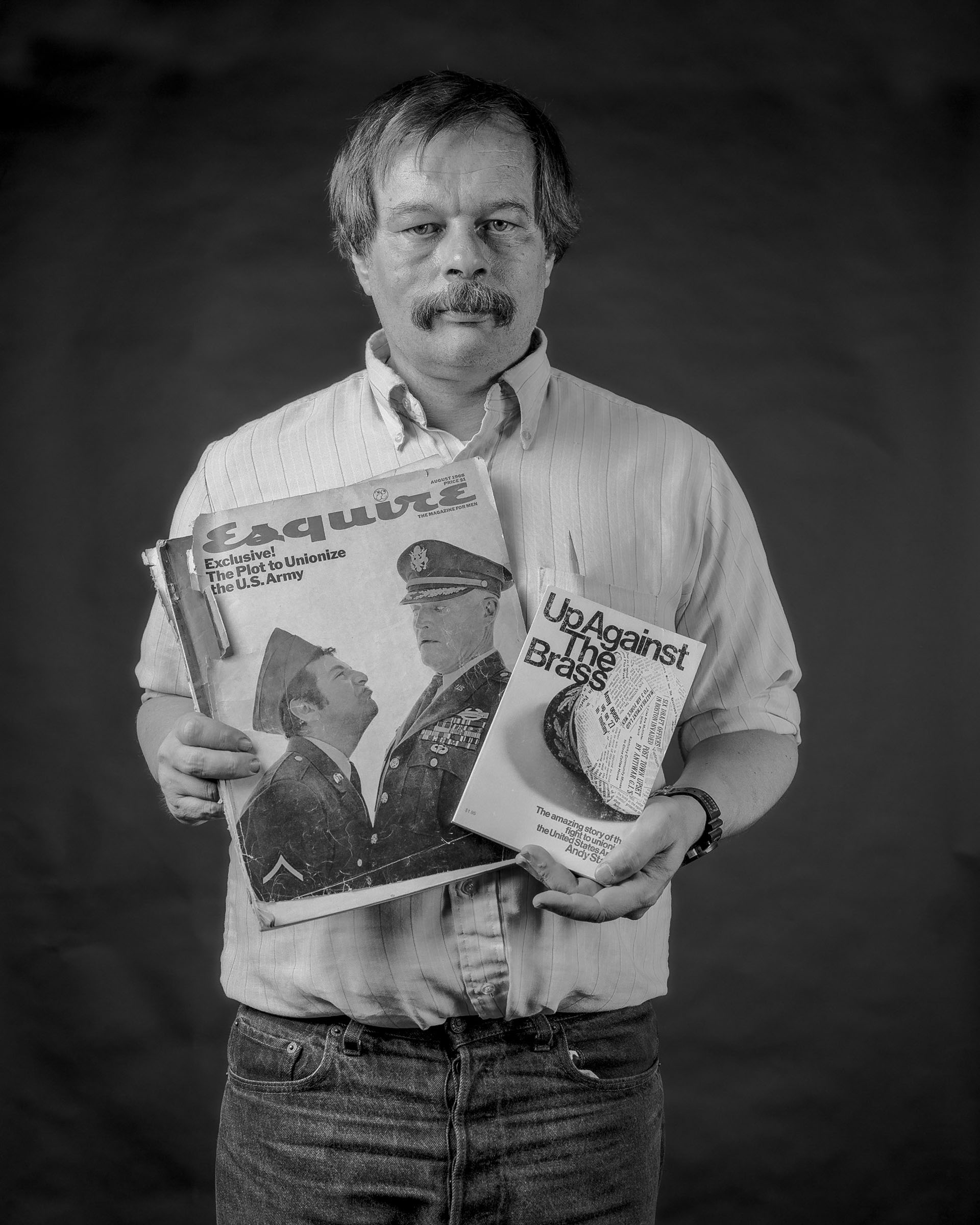
- Andy Stapp: Enlisted Army 1966-68. Organized from within the Army. Court-martialed three times for anti-war activities. Founder of the American Servicemen’s Union, a union for rank-and-file GIs, and publisher of its newspaper, The Bond.
- Jane Fonda: Film star and activist. In 1970 Paris she met U.S. GIs who resisted in Vietnam. They gave her a book, The Village of Ben Suc, and she said “I read it, and my whole life changed… I thought to myself, ‘I have to go back home and become part of the anti war movement.’” She then visited GI bases and coffeehouses to support the GI movement, risking arrest, and eventually she headlined the FTA (Fuck The Army) Show.
- David Zeiger: Activist and director of the documentary Sir! No Sir! (2005), about the GI Movement. One of the civilians who helped run the Oleo Strut coffeehouse at Fort Hood in Killeen Texas from 1968-1972.
- Holly Near: Singer, songwriter, and activist. Holly performed with the FTA show on its Pacific Rim tour.
- John Kent: Former Navy fighter pilot. He and others tried to get the FTA show booked on the aircraft carrier, USS Constellation.
- David Parsons: Author of the book Dangerous Grounds about GI coffeehouses. History and communication professor at Cal. State, Channel Islands. Hosts the podcast Nostalgia Trap about American history, radical politics, pop culture, and the apocalypse.
- Dave Hettick: Enlisted Army 1969. After serving in Vietnam, worked on Bragg Briefs, GI newspaper at Ft. Bragg, NC.
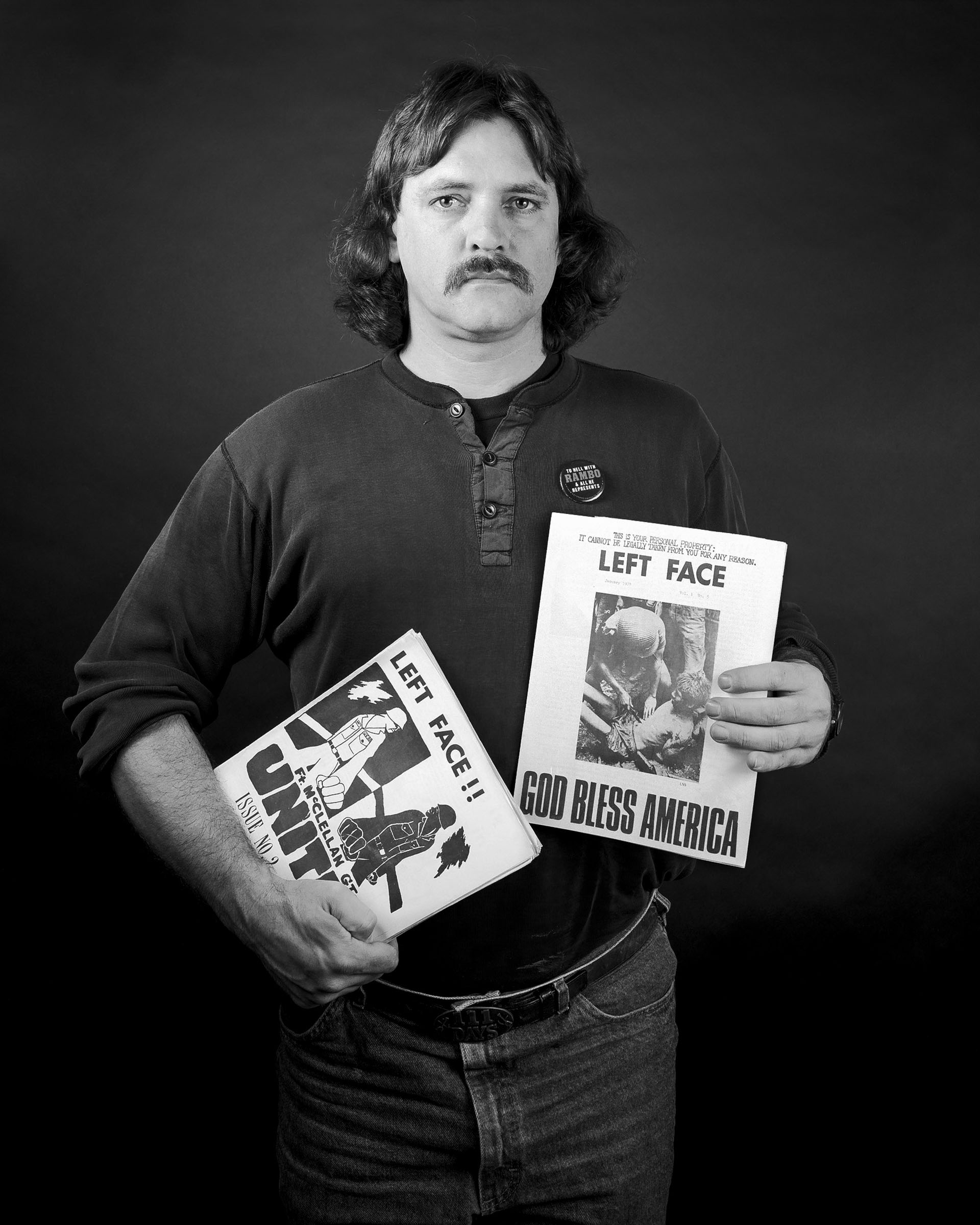
- Skip Delano: Enlisted Army 1967-70. Served one year in Vietnam. Co-founded Left Face in 1969, GI underground newspaper at Ft. McClellan, AL. After military service, he worked for the United States Servicemen’s Fund.
- Dave Blalock: Enlisted Army, 1968-71. Served in Vietnam 1969. Active in GIs and WACs United Against the War at Fort McClellan, AL and Left Face. Worked with the United States Servicemen’s Fund after discharge.
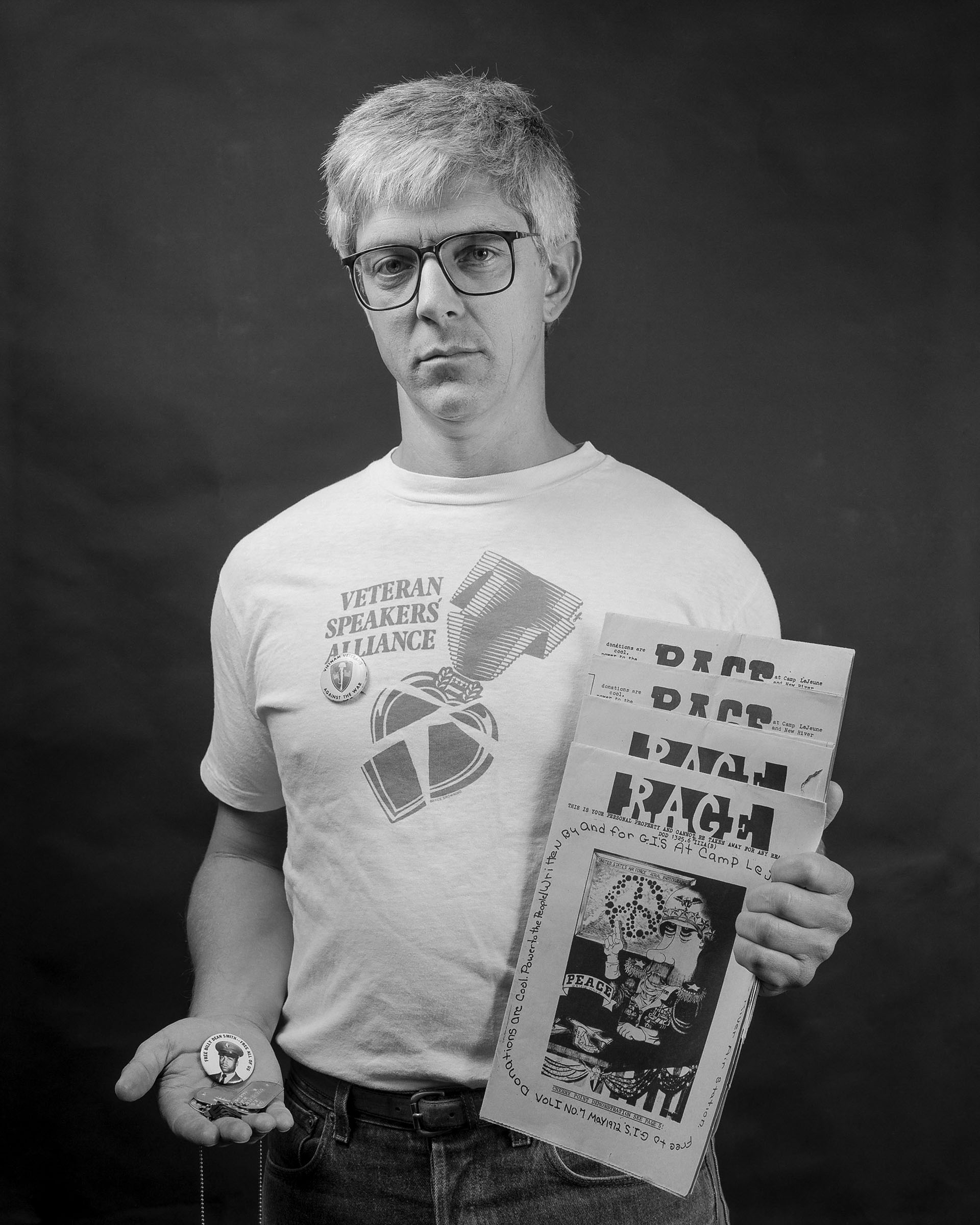
- Paul Cox: Enlisted Marine Corps 1968-72. Served in combat in Vietnam 1969-70. After Vietnam helped found Rage, GI underground newspaper at Camp Lejeune, NC, and joined the Vietnam Veterans Against the War.
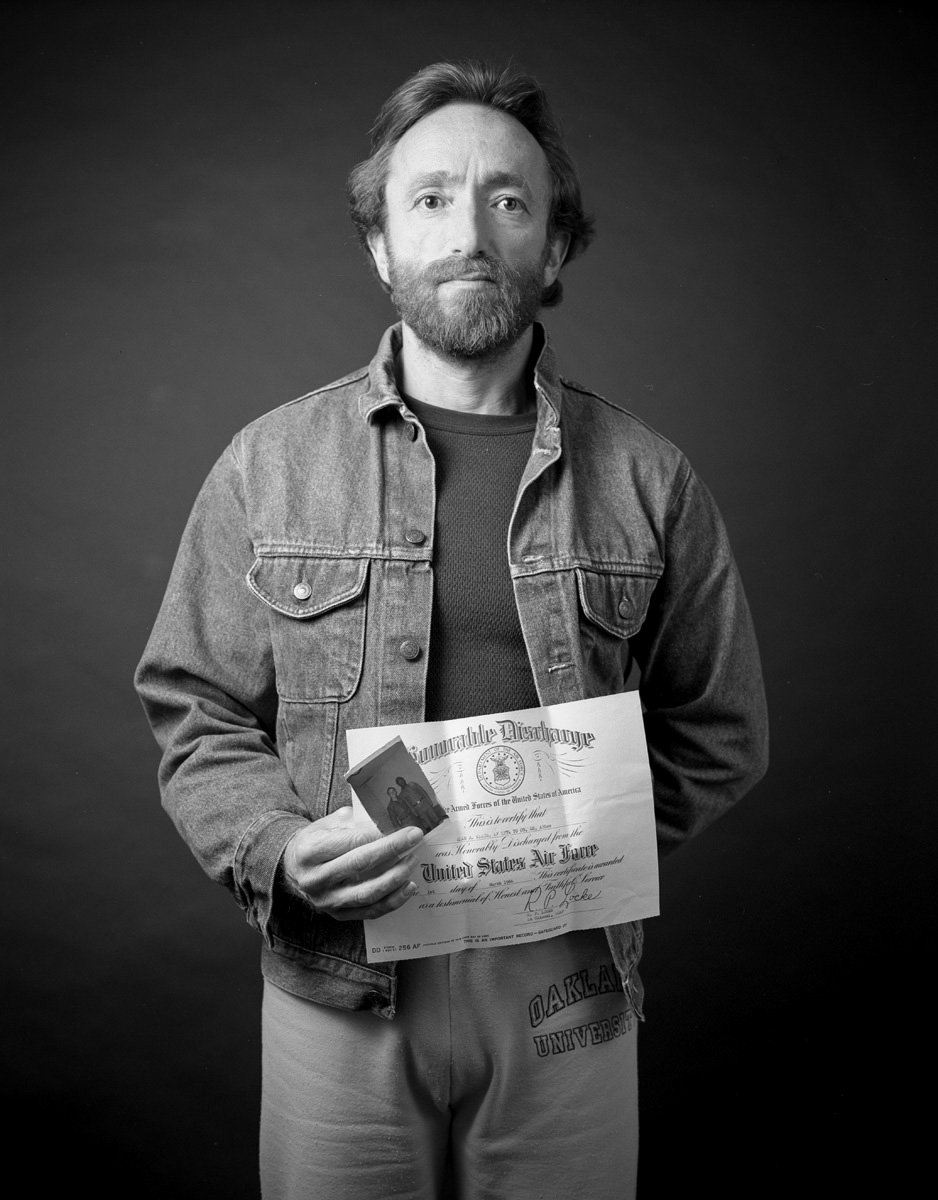
- Alan Klein: Enlisted Air Force 1966-67. AWOL, received General Discharge.
- Richard Valentine: Enlisted Army 1968-72. Served as a door gunner in Vietnam 1968-70. Worked with the FTA, GI underground newspaper at Ft. Knox.
Background and extra material:
- Parker v. Levy | 417 U.S. 733 (1974) | Justia U.S. Supreme Court Center
- Uniform Code of Military Justice – Wikipedia
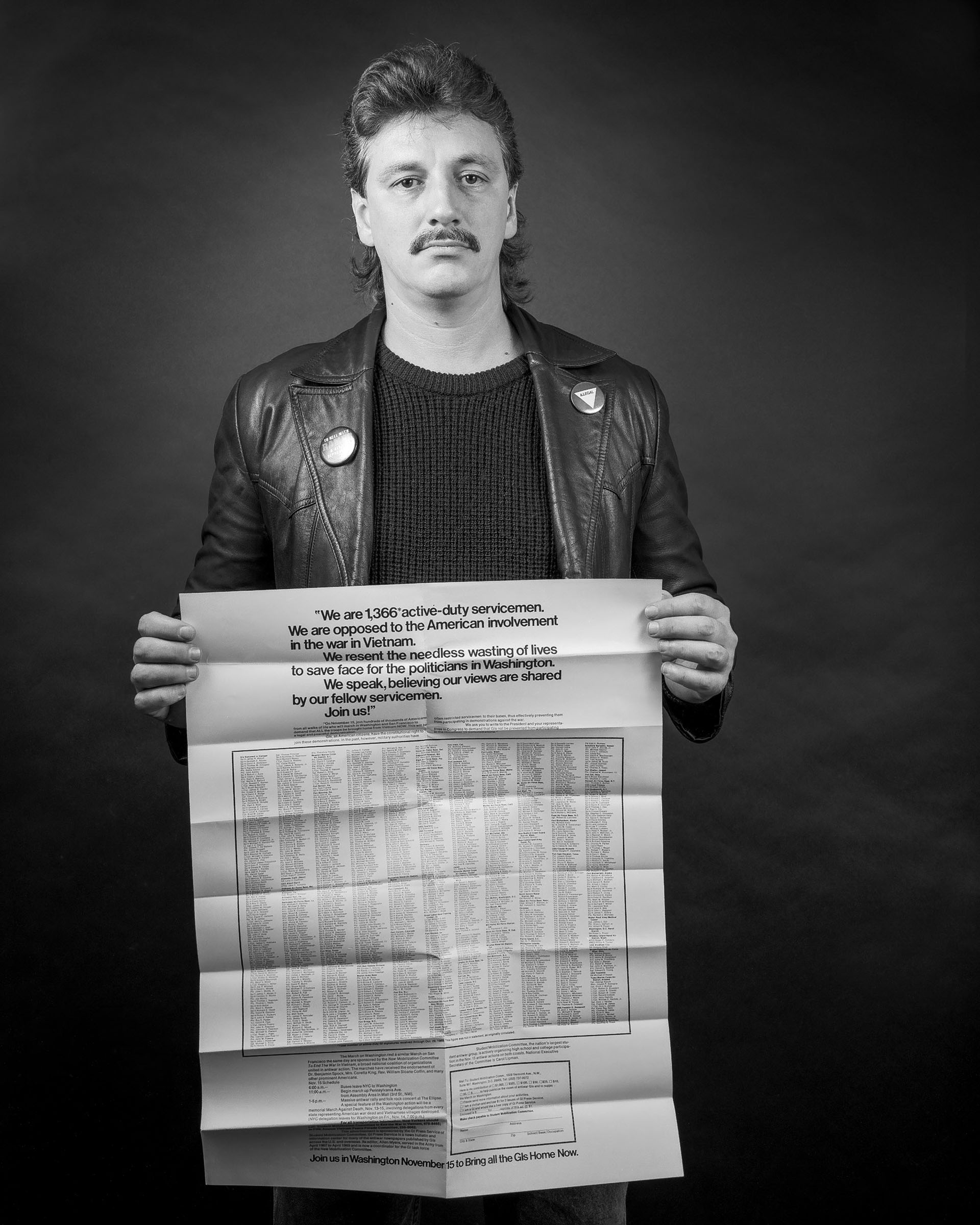
- GI and Veterans March for Peace – October 12, 1968 (Archival photos and write-up from Harvey Richards Media Archive)
- B-52 Bomber Leaflet Campaign
- U.S. Used Billions of Leaflets in Indochina War – The New York Times (1971)
- The North Vietnam Leaflet Campaign (Long detailed description from SGM Herbert A. Friedman (Ret.) with example leaflet photos)
- Airborne leaflet propaganda – Wikipedia (History of its use in multiple wars)
- General William Westmoreland – Wikipedia
- No Greater Cause Video – Estuary Press (Harvey Richards Media Archive)
- This 1968 19 minute short film of the GI and Veterans March for Peace features Susan Schnall speaking at the rally
- Veterans For Peace
- Andy Stapp, American Serviceman’s Union, Black Panther Anti-Fascism Conference, Interview from 1969
- Nov. 6, 1965: Draft Card Protest
- United States Army enlisted rank insignia – Wikipedia
- Youth Against War and Fascism – ProleWiki
- American Servicemen’s Union (ASU) – Fifth Estate Issue 81, June 12-25, 1969
- Interview with American Servicemen’s Union (ASU) chairman Pvt. Andrew Stapp (Ret.) conducted by Dena Clamage.
- An Act to amend title 10, US Code, to prohibit union organization of the armed forces, 95th Congress (1977-1978)
- Senate Passes Ban on Military Unionization (An article from CQ Almanac, 1977)
- FTA Show (Free The Army Tour) – Wikipedia
- F. T. A. Fuck The Army ( 1972) — Stream the film on the Internet Archive
- The Bob Hope OSO Shows – The Smithsonian
- The Truth About My Trip To Hanoi – Jane Fonda (from her website)
- United States Servicemen’s Fund – Wikipedia
- Vietnam Veterans Against the War
Songs:
“I-Feel-Like-I’m-Fixin’-to-Die Rag” – Country Joe McDonald – 1967
“Join the GI Movement” — Barbara Dane — 1970
“Moratorium” — Buffy St. Marie — 1971
“Draft Cards Burning on an Open Fire” — Alan Sherman — 1965 (Parody of Nat King Cole’s The Christmas Song)
“Free the Navy” — FTA ensemble — 1971
“Soldier we love you” — Rita Martinson on the FTA tour of Asia — 1971
Listen to A Matter of Conscience:
Apple Podcasts
Follow A Matter of Conscience:
Website: https://amatterofconscience.com/
Credits:
Producers and Hosts: Willa Seidenberg, Bill Short and Polina Cherezova
Associate Producer: Dylan Purvis
Promotional Assistance: Reenua Jones and Lauren Bui
Sound Designer: Polina Cherezova
Music Arrangements: Danny Seidenberg
Fiscal Sponsor: The International Documentary Association
Other credits: CBS, WPRO Channel 12, Bob Hope’s USO Special, January 18,1968
Special thanks to the Kazan McClain Partners Foundation


Episode 8 Transcript
Willa Seidenberg 00:03
Hello and welcome to A Matter of Conscience: GI Resistance During the Vietnam War.
MUSIC: Fixin’ to Die Rag, Country Joe and the Fish 00:09
Willa Seidenberg 00:19
I’m Willa Seidenberg.
Bill Short 00:30
I’m Bill Short. Before we get started, we want to let you know we’ll be taking a break. We’re heading off to Europe, and when we get back in the fall, we’ll bring you more episodes of A Matter of Conscience. In the meantime, keep an eye and an ear out for some shorter stories from the veterans we interviewed some 35 years ago.
Willa Seidenberg 00:54
In this episode of A Matter of Conscience, part two of our look at the GI anti-war movement. You may want to listen to episode five first to learn about the vast network of GI newspapers and coffee houses.
In this episode, we dive into the stories of Susan Schnall. She was a Navy nurse who came up with an innovative way to get the word out about a big anti-war march. We’ll also hear how Army soldier Andy Stapp took unionizing efforts to the military, and Jane Fonda headlines a show tailor-made for anti-war GIs. Be advised that this episode contains lots of profanity.
MUSIC: Join the GI Movement, Barbara Dane 01:39
Steve Fournier 01:45
I walked up to the microphone, and I was introduced as a Marine just back from Vietnam.
Willa Seidenberg 01:50
This is Steve Fournier at a peace rally in Boston Common in 1968.
Steve Fournier 01:56
The place got very, very quiet.
Willa Seidenberg 01:59
With two weeks left in his commitment to the Marine Corps, Steve decided to check out the demonstration at Boston Common. After about an hour, he rustled up the courage to ask the organizers to let him speak.
Steve Fournier 02:13
I said, I just wanted to come and say that myself and some other people have been calling you people back here in the States a lot of lousy names and saying that we would like to do some terrible things to you. And I want to apologize. I think you’re doing something wonderful for America, and I’m proud to be here with you today. I got a wonderful ovation. I felt like God, I finally feel like I’m home.
Willa Seidenberg 02:39
Steve wasn’t in uniform, but among the crowd of protesters with long hair and wearing peace beads, his buzz cut hair stuck out like a sore thumb.
Steve Fournier 02:49
My picture was in the paper, and I was identified and called in the next morning before a lieutenant, who started screaming at me immediately. Had me standing at attention, said that I would be court-martialed, that my life was over. I wasn’t getting out of the Marine Corps in two weeks, because I was going to be spending years of bad time making little rocks out of big ones.
Willa Seidenberg 03:09
For whatever reason, the Marine Corps decided not to court-martial Steve. He was discharged from the military right on schedule.
MUSIC: Moratorium, Buffy St. Marie 03:18
Bill Short 03:24
If you remember back in episode four, the Army court-martialed Dr. Howard Levy for refusing to train Green Berets on how to treat skin conditions. His case went all the way up to the Supreme Court.
News Report 03:45
Rejecting his appeal today, the Court held five to three that his conviction under the Uniform Military Code of Conduct, unbecoming an officer and a gentleman, was valid, and that language of the code, which dates back to 1765, still meets the needs of today.
Bill Short 04:01
In the 1974 ruling in Parker vs. Levy, the Supreme Court ruled that military law can differ from civilian law so that it can meet the needs of the armed forces. The Uniform Code of Military Justice, or UCMJ, balances the Constitution’s First Amendment rights with what the military deems necessary for discipline, security, and readiness. Under the UCMJ, a member of the Armed Forces can’t publicly criticize the president or military leaders, or share sensitive information, and military regulations prohibit service members from displaying political views. The idea is, the military is supposed to be neutral and non-partisan. That means no posting political messages on social media, wearing political buttons or attending a protest rally in uniform
Willa Seidenberg 04:55
During the Vietnam War, attending or speaking at a demonstration in uniform was an act of resistance punishable by court-martial. One of the most famous incidents is the case of Susan Schnall.
Susan Schnall 05:15
I was in the United States Naval Reserve. I joined my last two years of college, so it would have been 1965, actually went into active duty in June 1967, and was discharged September 1969.
Willa Seidenberg 05:34
When Susan was less than two years old, her father was killed in World War II.
Susan Schnall 05:39
I believe it was 1945 on Guam in the Pacific. So, I basically grew up with my mother, who was a single parent. It was very, very tough on everybody, probably most of all on my mother.
Willa Seidenberg 05:55
During the summers, Susan would visit her grandparents in Chicago.
Susan Schnall 05:59
Every Sunday, we would go to the cemetery, pick up flowers, drive to the grave site, put the flowers on the grave site. My grandfather would kind of wander away, and my grandmother would literally kneel down and say, Look, Harold, here is your daughter. I remember as a kid being a little embarrassed and feeling badly from my grandmother because she was always full of pain, and I guess I always reminded her of the son that she lost.
Willa Seidenberg 06:30
Susan was close to her widowed mother, who gave her an awareness of social issues.
Susan Schnall 06:35
I have early recollections of my mother working for political candidates, going door to door, and I would go with her. So, it was always something that was there.
Willa Seidenberg 06:44
Susan had toyed with the idea of being a nurse since she was a young child. She carried through with that by enrolling in a program at Stanford University.
Susan Schnall 06:55
I specifically wanted to be a nurse and help people to feel better when I was doing my student training. I loved it. I loved the relationship that I had with people, and I really felt that that’s, in fact, what I was doing.
Willa Seidenberg 07:06
Navy recruiters would come to campus to sign up nurses. If they signed up for a three-year enlistment, the Navy would pay for two years of college. Susan and some of her friends decided to join even though Susan was against the war.
Susan Schnall 07:24
At my graduation from Stanford, I wore a black armband symbolizing my sympathy against the war in Vietnam.
Willa Seidenberg 07:40
Susan attended boot camp in Rhode Island, and one day her commanders called her in.
Susan Schnall 07:47
They wanted to know what anti-war activities I had been involved with, and I’d been involved in some, having drawn up petitions against the war, joining certain protests, and wearing a black armband wasn’t anything much more than that. And after about six or eight hours of interrogation, I signed a statement, and they sent it on to Oak Knoll Naval Hospital, saying I was not a military risk.
Willa Seidenberg 08:11
At first, Susan didn’t see a problem with being anti-war and joining the military.
Susan Schnall 08:17
My rationalization was I was going to undo the damage that the United States was doing abroad, and that’s how I looked at it. You know, there were these young kids that were sent overseas, that were shot up. They needed good care, and that’s what I was going to do.
Bill Short 08:36
After boot camp, Susan married a medical student at Stanford. Susan commuted 70 miles away to Oak Knoll Naval Hospital in Oakland, California. Every day she was treating soldiers wounded in Vietnam.
Susan Schnall 08:48
There was a point at which it was obvious that I had to do something about the war, that I was no longer patching up people to feel better, but that I was promoting the war machine. And there was a point at which I just said, Look, I can’t deal with myself anymore. I can’t live with it; that all I’m doing is promoting the war. And it was about that time that I heard about the giant Veterans March for Peace in San Francisco. They were military people who were going to be against the war, and they were going to do something. It wasn’t civilians using military people, and I was very much against having civilians coming in, because I knew that the repercussions to us were a lot greater than to the civilians.
Bill Short 09:32
Susan spent hours walking up and down the hills at Oak Knoll base, putting up posters about the march. She tacked them up in the barracks, only to see them taken down within an hour. Then she came up with a bold idea of how to get the word out.
Susan Schnall 09:47
I remember hearing about the B-52 bombers dropping weekly from the Vietnamese urging them to defect. I thought very simply, if the United States can do that in Vietnam, then why can’t I do it here?
Bill Short 10:01
She enlisted the help of a pilot friend, and two days before the demonstration, they loaded up the plane with leaflets calling for active-duty servicemen to join the march in Golden Gate Park.
Susan Schnall 10:12
We hit the Presidio, Oak Knoll Naval Hospital, Treasure Island, Yerba Buena Island, the deck of the USS Enterprise, I think it was. We went into Alameda naval airspace. And the pilot, Bill said, Susan, do me a favor. Look out the window to your right and let me know if you see any jets coming. I said, Bill, by the time I see them, they’ll have hit us. You know, there’d be no reason to look for them. We shut off the radio so they couldn’t contact us. We never thought about, oh my god, you know, maybe somebody will try to shoot us down. And then we landed and held a press conference.
Susan Schnall 10:56
Thursday, we dropped the leaflets. I don’t know what the military reaction was, because I was not at work on Friday, and I know that everybody was told to stand inspection on Saturday morning because they knew that there were going to be problems.
Bill Short 11:08
Susan wasn’t at the Saturday inspection because she was scheduled to work the night shift.
Susan Schnall 11:13
So that day, I went into the city and wore my uniform, and the demonstration that I was told specifically not to do so. It was a general Navy regulation that stated you can’t wear uniform when you’re speaking religious, partisan political views publicly. My rationale is really simple. Westmoreland can wear his before Congress asking for money for Vietnam. I can wear mine as a member of the Armed Forces speaking out against the war, and I have as much right to freedom of speech as he does.
Bill Short 11:46
Westmoreland is General William Westmoreland. He commanded the US forces in Vietnam from 1964 to 1968
Bill Short 11:59
Susan walked at the head of the march through downtown San Francisco in her full-dress uniform. Some 500 other active-duty soldiers also walked in the march, cheered on by thousands of civilians on the sidelines.
Archival Sound 12:13
As a nurse in the Armed Forces of the United States. The war in Vietnam has taken on a very real and personal meaning. It means young men …
Susan Schnall 12:22
I knew when I got up to speak in front of the microphones, one of these belongs to the Navy, to the military. I knew it, but it didn’t make any difference.
Archival Sound 12:25
End the war now bring our boys home.
News Report 12:37
In Oakland, California, Navy Lieutenant Susan Schnall returned to duty today pending appeal, as the first woman officer in U.S. military history to be sentenced to a prison term.
Susan Schnall 12:47
There was a general Navy regulation stating that if a woman receives a sentence under a year, she doesn’t necessarily have to serve it. I knew that if I got anything under a year, that they would never send me to jail. And I also was fairly certain, as certain as you can be, you know, within the constraints of being scared too, that they probably would not send me to jail because they didn’t want the bad publicity.
Willa Seidenberg 13:09
After Susan was discharged from the Navy, she stayed active in the GI movement. She went on to have a career in hospital administration in New York City, and 50 years later, Susan is still going strong, and active in social justice and veterans organizing. Today, she’s president of Veterans for Peace, an international organization. In March of 2025 she spoke at the Veterans march in Washington, DC. The vets were protesting mass deportations and the Trump administration’s cuts to health care for veterans.
Susan Schnall 13:47
We are those you have called suckers and losers who served this country in this military. We are the soldiers who served in Vietnam, Afghanistan, Iraq, that lost over 65,000 lives. We will not be erased.
MUSIC: Moratorium, Buffy St. Marie 14:09
Bill Short 14:11
Andy Stapp joined the Army in 1966. He was anxious to get into the military. He had a mission, and it wasn’t to fight a war. Unlike Susan, when Andy was growing up in a Philadelphia suburb, he was super patriotic.
Andy Stapp 14:41
I was 16 when the 50s ended, so I was completely apolitical, but very conservative. Everybody I grew up with who was a Republican, I just didn’t know about Democrats.
Bill Short 14:54
As a kid. And you would see the newsreels about the Korean War, and when Vietnam started…
Andy Stapp 14:59
I was for the war because it was like the communists are going to come and take over the world, and if we don’t stop them in Vietnam, where will we stop them?
Bill Short 15:07
Andy went to Penn State University to study the classics, Greek and Latin. In 1964 he took an archeological trip to southern Egypt.
Andy Stapp 15:17
It really blew my mind. I’d never seen people so poor or anything like that, as there were in Egypt.
Willa Seidenberg 15:24
He was working with young Egyptians and learning about things like imperialism. Then he went to Greece, where he saw May Day demonstrations and met people with left-wing politics. By the time he got back to Penn State, his views had changed.
Andy Stapp 15:41
I got radical really quick. I mean, it was really sudden.
Willa Seidenberg 15:47
He and about 10 other students decided to start an anti-war organization.
Andy Stapp 15:53
And I was completely confident that we could win over all 25,000 students at Penn State. I remember feeling the United States was committing war crimes.
News Report 16:04
Five men publicly burned their draft cards as a large crowd watched.
Andy Stapp 16:08
We all felt that way, that a draft card was like a South African pass card by the very fact they said you could get five years in jail for burning it. I thought, Great, that’s then, let’s burn it.
Willa Seidenberg 16:20
By May of 1965 public draft card burnings had become regular occurrences, and they were usually done in full view of news cameras.
MUSIC: Allan Sherman Show 16:41
Draft cards burning on an open fire, protests marching everywhere.
Willa Seidenberg 16:49
This parody is by Allan Sherman. He was a popular musician and comedian in the early 1960s.
MUSIC: Allan Sherman Show 16:56
.. too much hair, watusi-ing…
Willa Seidenberg 17:00
In August of 1965, President Johnson signed a law making it a federal crime to destroy or mutilate a draft card. The penalty was steep: five years in prison and a fine of up to $10,000. The first person prosecuted under the law was David Miller. He was a 22-year-old Catholic pacifist. He spent a couple of years in prison and wrote a book with Howard Levy.
Bill Short 17:34
Andy and his friends made a plan to burn their draft cards on October 16, 1965, during a nationwide anti-draft action.
Andy Stapp 17:43
We burned our draft cards, and we all went over the Rathskeller and had some beers. And they said on television that arrests were imminent in this. And I thought, Wow, man, they’re really talking about us.
Bill Short 17:55
Andy and a friend skipped town and went to New Orleans. That’s where the FBI caught up with them, because they had tapped his family’s phone. The galling thing was the agent who tapped the phone went to the same church as Andy’s parents. He and Andy’s father were golf buddies.
Andy Stapp 18:14
They got in a fistfight. Imagine these old men, they weren’t that old then, but they were about 60. Well, Dean, we get our natural rubber from Vietnam, and if we have to use artificial rubber, we’ll get 10 yards less on our drives. And my father, who played golf with this guy for 40 years, said, Arnold, are you telling me that we’ve sent those boys over there so you can get 10 yards on your drive? You know, they end up in their white pants rolling around. Dad never spoke to him again.
Bill Short 18:58
Andy was never charged for burning his draft card, and by now, he was getting more committed to working against the war. He decided the best thing he could do was to organize from inside the military.
Andy Stapp 19:09
So I went and volunteered for the Marines, and I volunteered for the Air Force and the Navy, and they all rejected me immediately. See I didn’t have a draft card because I burned it. Soon as they heard that, that was it. And when I went to the army guy, I said, I don’t have a draft card. He said, No problem! But I think they got a bounty for each guy they could.
Bill Short 19:33
At age 21, Andy started his basic training at Fort Jackson in South Carolina. South Carolina, some three years older than most other recruits.
Andy Stapp 19:45
There were literally guys that had never been away from home. The first night, they were crying. But, you know, guys were like in a state of shock, right from mom’s kitchen to this horrible and it was horrible.
Bill Short 19:59
Basic training was exhausting, and he didn’t have time or energy to organize. He kept notes about what was going on in basic training, like two Puerto Rican guys who pretended they couldn’t speak English.
Andy Stapp 20:10
This was a tremendous source of merriment because they spoke English in the barracks, and nobody ever busted them on this. And one of them pretended he could speak English, and the other couldn’t. So when the sergeant would yell at the guy, the other one would translate into Spanish, and he would mimic. If the sergeant was angry, he’d act angry. So, this charade would go on all the time.
Bill Short 20:30
Andy was sent to Fort Sill in Oklahoma for Advanced Individual Training. By now, the army realized that Andy was in the military to cause trouble.
Andy Stapp 20:40
They put the guys around me they thought were the most army type. There was a stockade guard put on one side of my bunk and a guy who was an E5 — he made E5 in 13 months — on the other side of me. And they were just the first two guys won over.
Bill Short 20:57
A little background on military rank for noncommissioned officers or NCOs. E in the army stands for enlisted. A recruit comes in as an E1 private. You move up the ranks with good work reviews. If you’re really gung-ho or in combat, you can move up pretty quickly.
Willa Seidenberg 21:18
Andy and the other soldiers started putting up anti-war literature in the barracks. If you remember from episode 5, part one of the GI movement, the military prohibited GIs from distributing multiple copies of anything on base. The Colonel suspected Andy was storing pamphlets in his footlocker, and one day he ordered Andy to open it. When Andy refused, the Army charged him with disobeying a direct order. He and his fellow soldiers rallied support by contacting outside organizations. The group Youth Against War and Fascism responded, and they asked Andy if he needed help.
Andy Stapp 22:01
So, then a whole bunch of left-wing radicals descended on Fort Sill just to make the Army’s life even more hellish. Right?
Willa Seidenberg 22:08
The trial received a lot of media attention, and Andy got off because of an administrative goof. Soon after, his whole battalion got orders for Vietnam, everyone that is except Andy. He asked his sergeant why.
Andy Stapp 22:24
He said, Take a guess, you fucking red (laugh).
Willa Seidenberg 22:28
The Army kept transferring Andy around, hoping to impede his organizing efforts.
Andy Stapp 22:33
One of the first transfers I ever had came, and it was late at night, and it was dark, and somebody said, It’s Stapp. And I thought, Oh, shit. I think that had a whole orientation — this guy’s on the side of the Viet Cong, who are killing your friends. I just went about my duties the next day, and the next night, this guy comes up to me and he said, Hey, Stapp. He had about five guys with him, and I thought, ah, here it goes, I gotta fight. And he said, Want to go downtown and have some suds? (laugh)
Bill Short 23:10
What the army didn’t understand is that transferring Andy just gave him new territory to organize. He was court-martialed and acquitted again. Then the army charged him with engaging in subversive activity. By now, it was late 1967, and Andy had started meeting with servicemen from other bases. On Christmas morning, 14 GIs officially launched the American Servicemen’s Union. ASU had 10 demands.
Andy Stapp 23:38
The first one was: you had a legal right to refuse to go to Vietnam and to racism in the army rank and file, control of court martial boards, and to saluting and serving of officers, no troops against anti-war demonstrators, right of free political association. A lot of democratic rights, sort of beyond union rights. It evolved after 1970, there were demands about sexism in the armed forces.
Willa Seidenberg 24:06
By mid-1969, ASU reported, it had some 65-hundred members.
Andy Stapp 24:13
We had stuff on about a hundred installations in the U.S., about 60 ships. There wasn’t a significant part of the world where there were U.S. soldiers that we didn’t have, we had in South Korea, in Europe and in the continental United States.
Willa Seidenberg 24:28
Of course, the military never recognized ASU as a union, but it did spend a fair amount of energy trying to disrupt the organization’s activities, which included publishing a GI newspaper called The Bond. Andy was discharged from the army in April of 1968. A lieutenant gave him a ride to the gate and asked to shake his hand.
Andy Stapp 24:56
So, you seem very happy, Lieutenant. He said, I am happy, Private, and I’ll tell you why. I’m happy because I get to be the guy that tells General Brown that you’re no longer in the army, that you’re off this base. And he said, I have to give you something. This is a bar order. You step one foot back on this base from this moment, you’ll get six months in prison. He wasn’t mad, he was laughing.
Willa Seidenberg 25:18
Initially the Army gave Andy an undesirable discharge, but after winning a lawsuit in a civilian court, his discharge was changed to honorable. Some GIs took issue with ASU because of its affiliation with the Socialist Workers Party. Others didn’t care about improving conditions in the military; they just wanted the war to end. But Army veteran Larry Holmes liked ASU approach. He got involved in 1971 while he was AWOL from Fort Dix in New York.
Larry Holmes 26:01
Our approach was distinguished by our effort to combine economic and class issues with the basic struggle against the war. And someone would say, Well, why do you want to unionize the army? The Army’s reactionary. We want to destroy the army. The army is an instrument of imperialist aggression, etc, etc. But we thought unionizing the army was a tool to do that, because once it was unionized, then the soldiers could go on strike. I thought that was very winning.
Andy Stapp 26:29
I think that was a very good idea to have something people joined psychologically, and also to make them pay dues. It’s not real unless you pay dues. I am a dues-paying member $2 a year, you know. And they had a card. That card was important too. So you say, Well, I’m a member of this anti-war organization. Well, it’s, no, I’m a member of the American Servicemen’s Union. See, here’s my union card, right?
Willa Seidenberg 26:56
Andy Stapp died in 2014
Bill Short 27:00
In 1976 the American Federation of Government Employees voted to allow military personnel to join its union. Two years later, Congress passed an amendment that prohibited union organizing in the armed forces or membership in military labor organizations.
Willa Seidenberg 27:24
So, Bill, what comes to mind when you hear the letters F T A.
Bill Short 27:30
So those three letters have several different meanings. The official military meaning is “fire teams abreast,” which is a military maneuver when a squad breaks into two fire teams for an assault position. FTA also means “fun travel and adventure.”
Willa Seidenberg 27:47
Yeah, that was the slogan on the masthead of the FTA paper that was published at Fort Knox in Kentucky.
Bill Short 27:53
And, FTA, “fun travel adventure” was also used as a way to satirically declare that you were on your way to Vietnam. Now, the other two meanings which are Free the Army, which meant to liberate the army from the oppression of its officers and sergeants, and also end the war. But the meaning that became the most used by anti-war GIs was Fuck the Army. We as GIs also heard rumors about soldiers who had tattooed Fuck the Army on the bottom of their right hand so when they would salute an officer, that Fuck the Army would be right in their face. Whether it was true or not, I don’t know, but it was a very popular rumor.
Willa Seidenberg 28:35
Well, FTA became the title of a touring anti-war variety show that starred a couple of Hollywood A listers.
Archival Sound: FTA Film 28:44
Captain, I have a dream. I have a dream, a big dream, a dream of democracy. That’s my dream. And together, together, we can help protect the free world from unfair competition and ensure that future generations allow free worlds to protect Yes, sir.
Bill Short 28:59
Jane Fonda and Donald Sutherland headlined the FTA show, which also starred Michael Alaimo, singer Rita Martinson, and folk singer Len Chandler.
Bill Short 29:20
Until the late 1960s Jane Fonda was better known to the public as actor Henry Fonda’s daughter and a film star in her own right. But the movements of the era led her on a path of social activism for which she is well known today.
News Report 29:34
Jane Fonda exercised her First Amendment rights today and was arrested on the steps of the U.S. Capitol. The actress and…
Bill Short 29:41
Fonda got to know the GI anti-war movement by traveling around to visit GI coffee houses and other venues.
David Zeiger 29:48
She came to Fort Hood three times for the purpose of raising money for and supporting the GI movement.
Bill Short 29:54
Filmmaker David Zeiger worked as a civilian at the Oleo Strut Coffee House at Fort Hood, Texas.
Archival Sound: FTA Film 30:03
1300 on a ship Coral Sea said no to the Vietnam wake up, Admiral Zumwalt, they’re talking to you. They’re not gonna fight your fight anymore.
David Zeiger 30:15
First time she came, she immediately took a batch of Fatigue Press and walked onto the base and started handing them out and was immediately arrested and barred from Fort Hood. She was fearless.
Jane Fonda 30:33
Army Dr. Howard Levy came to meet with me.
Willa Seidenberg 30:36
This is Jane Fonda talking about how the FTA show came about. It’s from her introduction to the restored copy of the FTA film.
Jane Fonda 30:46
Howard suggested that I create an anti-war tour of entertainers to travel to military bases in this country and the Pacific, a sort of counter-show to the very pro-war, sexist shows that Bob Hope toured every year in Vietnam.
Willa Seidenberg 31:03
Bob Hope was a popular entertainer in the 1960s. He’d started his USO tours during World War II, and every Christmas he performed in Vietnam, bringing the troops corny, off-color jokes, music and scantily clad women like actress Raquel Welch.
Archival Sound: Bob Hope USO Tour, 1968 31:22
Thank you, Bob. I’m most happy to be here and see all these boys. They were boys before you came out. Now they’re all men. Bob, are these men really so starved for affection?
Holly Near 31:38
They’d all seen the Bob Hope show, and they heard this one was going to be different.
Willa Seidenberg 31:43
Holly Near is a singer, songwriter, and activist.
Holly Near 31:46
They wanted to see this show.
Willa Seidenberg 31:49
Holly performed with the FTA show on its Pacific Rim tour. In the counterculture of the late 1960s and early 70s. Bob Hope seemed hopelessly out of touch. The anti-military, anti-war vibe of the FTA show was a welcome relief for many GIs.
Holly Near 32:09
Their experience was really different than the organized audience that Bob Hope had. I mean, I’m not trying to trash Bob Hope, but he was cheerleader show for soldiers who were out there to fight and to serve the American people and to stand up for democracy.
Archival Sound: FTA FILM 32:29
Bill Short 32:29
The FTA show toured all over the country, at GI coffee houses and the like. John Kent was a Navy fighter pilot. He and others tried to get the FTA show booked on the aircraft carrier USS Constellation.
John Kent 32:59
And one of the arguments we had was that the Bob Hope military show, which often toured military bases around the world, would perform on the aircraft carriers when they came through. And so 15 hundred of the crew,of the sailors, signed this petition requesting that the ship host the show. But the Captain, Gerhard, who was the captain of the ship at the time, just flatly refused. So, we set up in a local, I think it was a high school auditorium, that held about 25-hundred people, and we had two shows there, and they were just filled to capacity with people up in the rafters.
Archival Sound: FTA Film 33:38
Not gonna fight. Anymore. We painted your bulkhead. We polished your brass while you put the world into slavery.
Bill Short 33:58
After touring the U.S., FTA took the show overseas. The organizers couldn’t get permission to perform in Vietnam. Instead, they held their shows near U.S. bases in Hawaii, the Philippines, Japan, and Okinawa.
Holly Near 34:12
This was like six weeks of the most profound education that a 21-year-old could have. So, when I look back at it, the FTA was so experiential for me and so radicalizing.
Bill Short 34:24
Before the tour, Holly had been acting in TV shows, like All in the Family, Hollywood films and even a short run in the Broadway rock musical Hair. She came back from the FTA a different person.
Holly Near 34:36
Certainly, had consequences for having done that tour, and the biggest consequence was when I came back and realized that I just couldn’t go on working in the mainstream exclusively and doing what a part said I should do.
Bill Short 34:51
The FTA cast members didn’t only perform. They held rap sessions with soldiers and did separate ones just for Black GIs and for women. They met with local people and enlisted soldiers to perform with them in their shows.
Holly Near 35:04
There was a blues band, and I went on stage and sang a verse in their presentation, and then we found out later that they were beaten up on their way home after the show. They were so young and so sweet, and then to find out that they’d paid for their participation.
Willa Seidenberg 35:40
A film of the Pacific Rim FTA tour was released in 1972, but it was yanked from theaters almost as soon as it opened. The director of the film, Francine Parker, believes that then-President Richard Nixon put pressure on the distributor to pull it and destroy most copies of the film.
David Parsons 36:00
They really did not want people to see that there were thousands of American soldiers singing along with peace songs.
Willa Seidenberg 36:08
David Parsons wrote a book on GI coffee houses called Dangerous Grounds. The FTA film was released just after Jane Fonda made headlines on a controversial visit to Hanoi. It’s where she earned the nickname Hanoi, Jane.
David Parsons 36:25
Jane Fonda, in many ways, became a sort of lightning rod and a foil for conservatives to sort of say she’s the bad guy. But the popularity of Fonda among American soldiers is something that has been buried, and you can see the popularity of not just her as a person, but what she was standing for in that film. And it’s really important.
Willa Seidenberg 36:48
The film has been restored by filmmaker David Zeiger. You can watch it online, and we’ll have a link on our website.
MUSIC 36:57
Willa Seidenberg 37:24
One of the legacies of the GI movement is its lasting impact on people who were part of it. Many of the GIS we interviewed some 35 years ago are still active in political and social justice causes.
Dave Hettick 37:39
The best political work I’ve ever done in my life, and I’ve done political work ever since I got out of the military, really, was working with the GIs.
Bill Short 37:46
This is Dave Hettick, an Army veteran who worked on the GI newspaper, Bragg Briefs.
Dave Hettick 37:51
It was group action. It was collective action, because I do think there was something of real value, not just what I was doing, but what all of us were doing together.
Bill Short 37:58
Another veteran, Skip Delano, served in Vietnam. When he came back to the United States, he worked with GI newspapers and with the United States Servicemen’s Fund.
Skip Delano 38:07
It touched thousands and thousands and thousands, tens of thousands of people who saw papers. And you go out today and you talk to a lot of vets, and it’s just amazing, the number that were touched by that movement. A lot of times, very silent about it, but yet, certainly they remember it with pleasure.
Paul Cox 38:24
Fighting against the war, I think saved my life.
Bill Short 38:26
This is Marine veteran Paul Cox, who started the newspaper Rage after combat in Vietnam.
Paul Cox 38:32
If I had continued to hang on to all that anger that I had towards myself, that I left Vietnam with, I would have been in really bad shape in a very short period of time. And it might even have been good that I was still in the Marines, which is a weird thing to be saying, but if I’d gotten out, might or might not have wound up in Vietnam Veterans Against the War, but I also might have wound up doing a lot of drugs. Becoming an activist GI. I had to sort of stay away from drugs in order to continue to do what I was doing, and that helped keep my head clear.
Alan Klein 39:02
Really interesting in retrospect, to think that I was part of something larger.
Bill Short 39:06
Air Force veteran Alan Klein.
Alan Klein 39:08
Unbeknownst to me, unknowing, I was just operating in a vacuum, but I wasn’t alone at all. It was like a lot of people were doing it. Rather than feeling like I was anonymous, I found tremendous solace, in subsequently knowing that there were so many other people like myself who were as Ill formed as I was, and groping along and trying to find their way and reacting to anger and reacting to fear, but all of us, in our own weird way, coming to the same point.
Richard Valentine 39:38
I had the feeling something was wrong, and as it just as it went on, I was more able to articulate that it really is screwed up.
Bill Short 39:47
Army veteran Richard Valentine was a helicopter door gunner in Vietnam, then worked on the FTA newspaper when he came back to the United States.
Richard Valentine 39:56
But I was a party to that, and I realized that I might be able to make a difference, even if it made a difference or one person, shit, that person might turn out to be a me, in effect. And if somebody woulda got to me before I went, I know there’d be a hell of a lot more people that would be alive.
MUSIC: FTA Film 40:18
Willa Seidenberg 40:18
Next time on A Matter of Conscience:
Clarence Fitch 40:41
What was happening with the Black Power movement, the whole Black cultural experience, man, is that we didn’t really want to integrate into what we considered the White Man’s War. Our consciousness had been raised to a point where it wasn’t our war.
Willa Seidenberg 40:58
The story of Black GI resistance in the military.
Bill Short 41:03
As always, you can see show notes and photos for this episode on our website, amatterofconscience.com
Willa Seidenberg 41:11
This podcast was independently produced with crowd-sourced funds. We thank the dozens of people who donated, and you can join them by going to our website. We also thank the Kazan McClain Partners Foundation for their generous support. This episode was written, edited and produced by Willa Seidenberg, with help from Bill Short and Polina Cherezova. Dylan Purvis is the Associate Producer. Reenua Jones and Lauren Bui provide promotional assistance. Many thanks to Country Joe McDonald for giving us permission to use his song as our theme music. Original music arrangements are by Danny Seidenberg. Polina Cherezova Is the sound designer. Our fiscal sponsor is the International Documentary Association. Thanks also to Denise Abrams, Bill Belmont, Veterans for Peace and David Zeiger. And our biggest thanks go to the veterans who shared their stories with us.