Episode 9: Fighting Two Wars
For Black soldiers, the Vietnam War was not only a struggle to stay alive, but a battle against the persistent racism in the U.S. military. In this episode, we examine the resistance efforts by Black soldiers who were literally fighting two wars – one against Vietnam and the other against their own country. Four Black GIs tell their stories of fighting back and how PTSD affected the rest of their lives. Historian Sam Black gives context on how an integrated military and colonialism intersected with the GI experience. We uncover the origin of the DAP, discuss the rise of fraggings, where soldiers deliberately killed their officers, and consider the influence on Black GIs of civil rights leaders Martin Luther King Jr, Malcolm X, and Muhammad Ali.
Check out the show notes.
Guests/Subjects
- Lamont Steptoe: Enlisted Army 1968-71. Participated in mass defection from OCS. Served as a dog handler in VN for 16 mos. Organized demonstration in VN with Black GIs to commemorate the death of Malcolm X.
- Jabiya Dragonsun (Julius Williams): Enlisted Army 1967-69. Passive resistance: general non-compliance with orders in Vietnam. Spoke publicly against the war at peace rallies while stationed at Ft. Carson, CO.
- Greg Payton: Drafted Army 1967-69. Rec’d three courts-martial for a variety of charges, including AWOL, assault and disrespect to an officer. Involved in the 1968 prison riot at LBJ.
- Clarence Fitch (deceased): Enlisted Marine Corps 1966-69. Served in Vietnam in 1968. Involved in GI organizing on active duty and for the rights of black servicemen.
- Sam Black: Historian at the Heinz History Center in Pittsburgh and the author of Soul Soldiers, African Americans and the Vietnam Era.
Background and extra material:
- Peace Warrior: How I Escaped the Prison of Anger, by Greg Payton with J.T. Malloy. Published June 2025.
- Vietnam Generation (Academic Journal), Volume 2, Number 1 GI Resistance: Soldiers and Veterans Against the War
- Black GI Resistance During the Vietnam War by David Cortright – 1990
- The Black Panther (Newspaper) Saturday June 28, 1969
- Background on the DAP
- Black History Moment – The DAP (Video Essay)
- Five on the Black Hand Side: Origins and Evolutions of the Dap | Folklife Magazine (Smithsonian Center for Folklife & Cultural Heritage)
- History of integration in the US Armed Services – Military Times Article
- Black Journal #22 – Video from National Educational Television
- Featuring a film by Black GIs in Vietnam: March 26, 1970 with Lou House and William Greaves
- The Unique Bond Between Black Americans and the Vietnamese During the Vietnam War – Article from Asia Matters for America
- Studies on drug addiction:
- Drugs, Vietnam, and the Vietnam Veteran: An Overview Article from The American Journal of Drug and Alcohol Abuse, Encompassing All Addictive Disorders, Volume 3, 1976
- Excerpt of President Truman in 1948 – executive order ending segregation in America’s armed forces featured in “Fighting for racial equality in the military” by CBS Sunday Morning
- Full Speech: Text and Audio – Martin Luther King, Jr: A Time to Break Silence (Declaration Against the Vietnam War)
- Documentary film about MLK’s decision to speak out against the Vietnam War:
- Special Report Dr Martin Luther King Assassination April 4, 1968
- WNBC TV in New York, New York, United States from April 4, 1968
- Archival footage of how NBC News Covered: The Assassination of Martin Luther King, Jr.
- Video: Signing of the Civil Rights Act of 1964 – LBJ Library
- Malcolm X’s Last Speech – About the US committing oppression in Vietnam and the Global South (from X’s final speech before he was assassinated)
- Nonfiction book on Malcolm X’s legacy – including his influence on Muhammad Ali
- Video of Muhammad Ali refusing induction into the US Armed Forces: April 28, 1967 Press Conference
- Black Power – episode of Black History in Two Minutes or So hosted by Henry Louis Gates Jr. exploring the phrase popularized by Kwame Ture
- Court-martial of Billy Dean Smith – Wikipedia – Fragging case that made a young Black soldier into a cause celeb among anti-war GIs and civilians.
- Author George Lepre’s book Fragging: Why U.S. Soldiers Assaulted Their Officers in Vietnam
- Sir No Sir – 2005 Documentary – David Zeiger, featuring Terry Whitmore
- Clip of Trinh Thi Ngo: Hanoi Hannah radio segment
Songs:
- “I-Feel-Like-I’m-Fixin’-to-Die Rag” – Country Joe McDonald – 1967
- “Oh, It Is Jesus” – Andrea Crouch, featuring Tata Vega – 1984
- Wade in the Water – Ella Jenkins and Goodwill Spiritual Choir of Monumental Baptist Church – 1960
- Viet Nam – Madame Nellie Robinson
Listen to A Matter of Conscience:
Follow A Matter of Conscience:
Website: https://amatterofconscience.com/
Credits:
Producers and Hosts: Willa Seidenberg and Bill Short
Producer and Sound Design: Polina Cherezova
Associate Producer: Dylan Purvis
Promotional Assistance: Reenua Jones and Lauren Bui
Music Arrangements: Danny Seidenberg
Fiscal Sponsor: The International Documentary Association
Special thanks to the Kazan McClain Partners Foundation
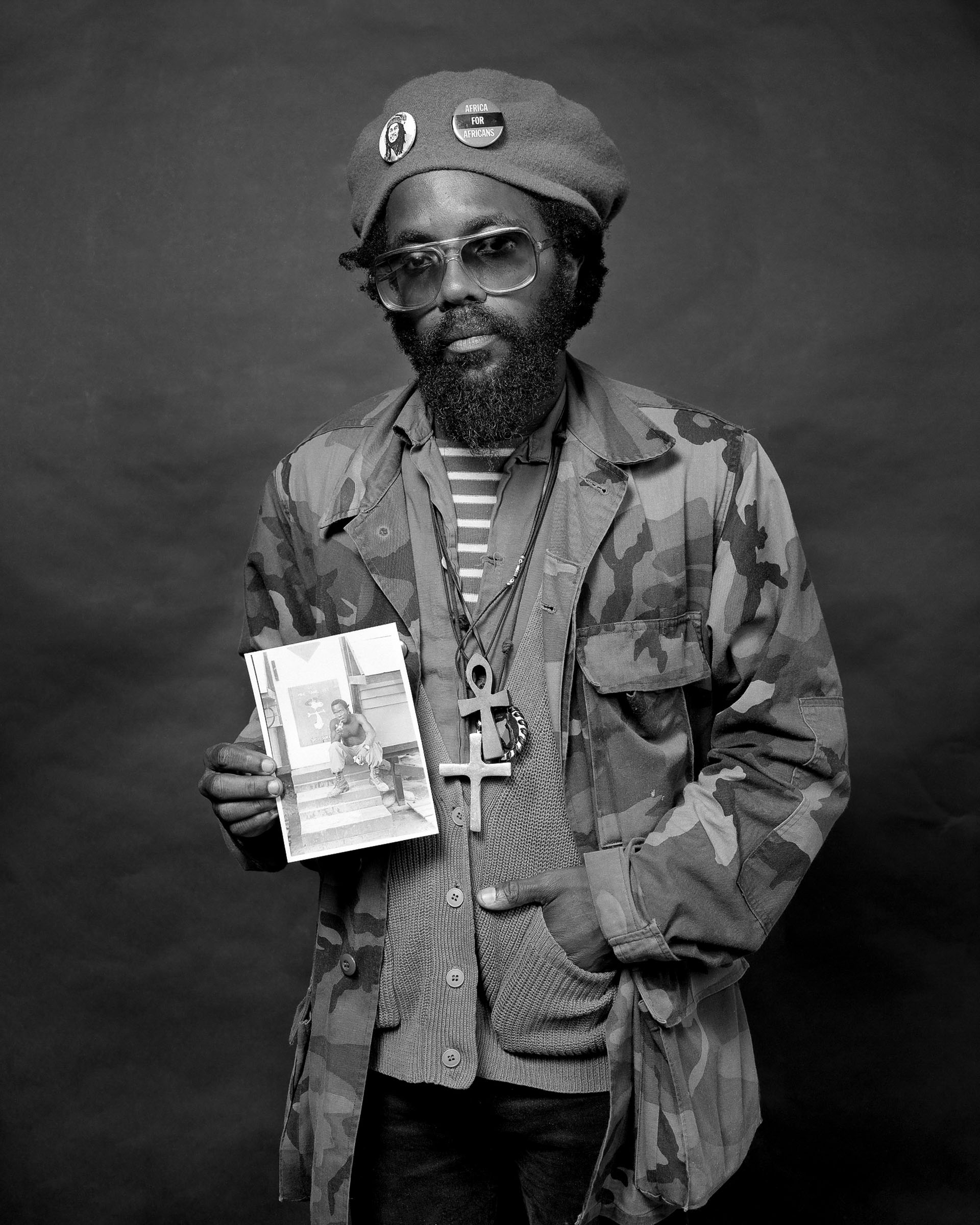


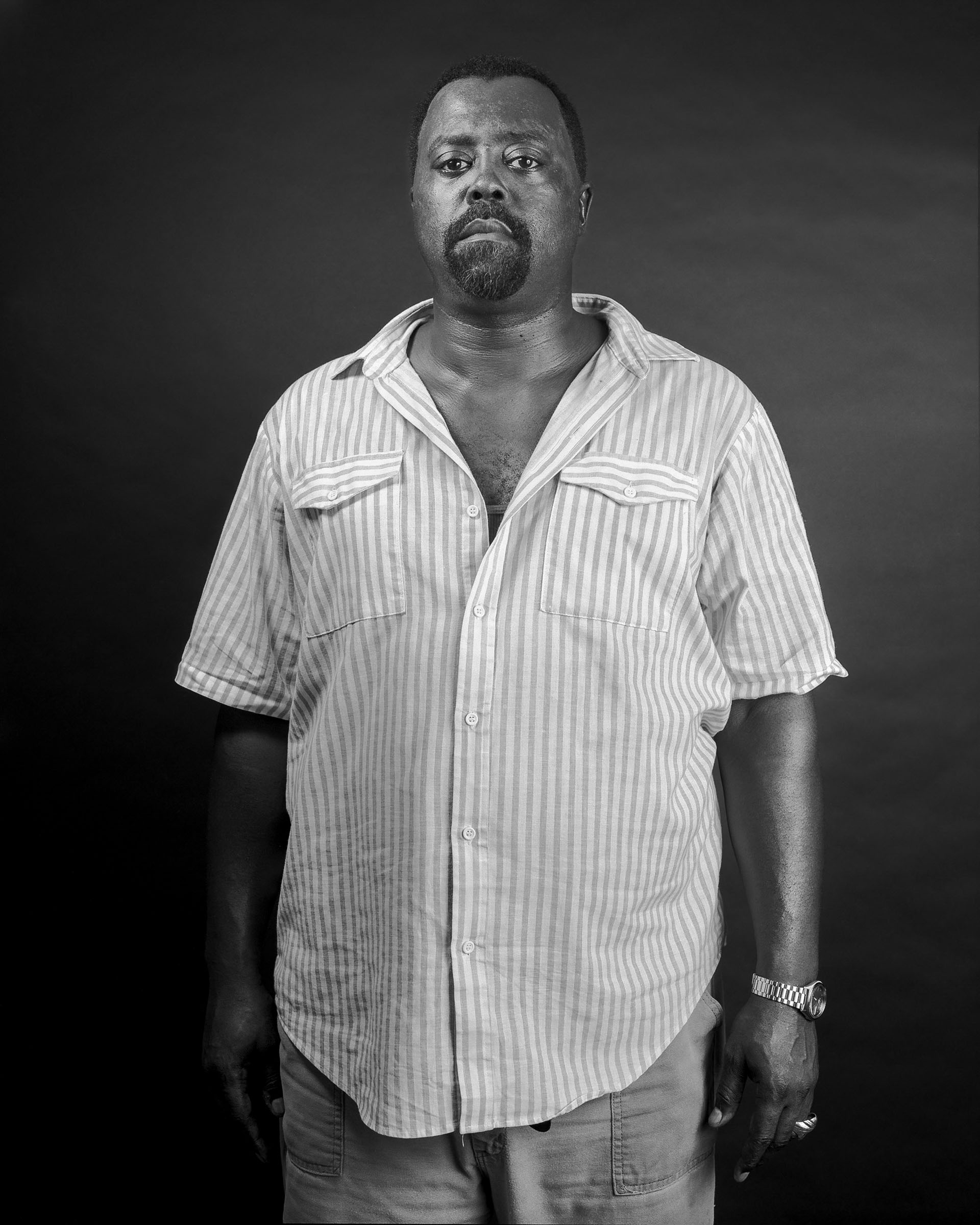

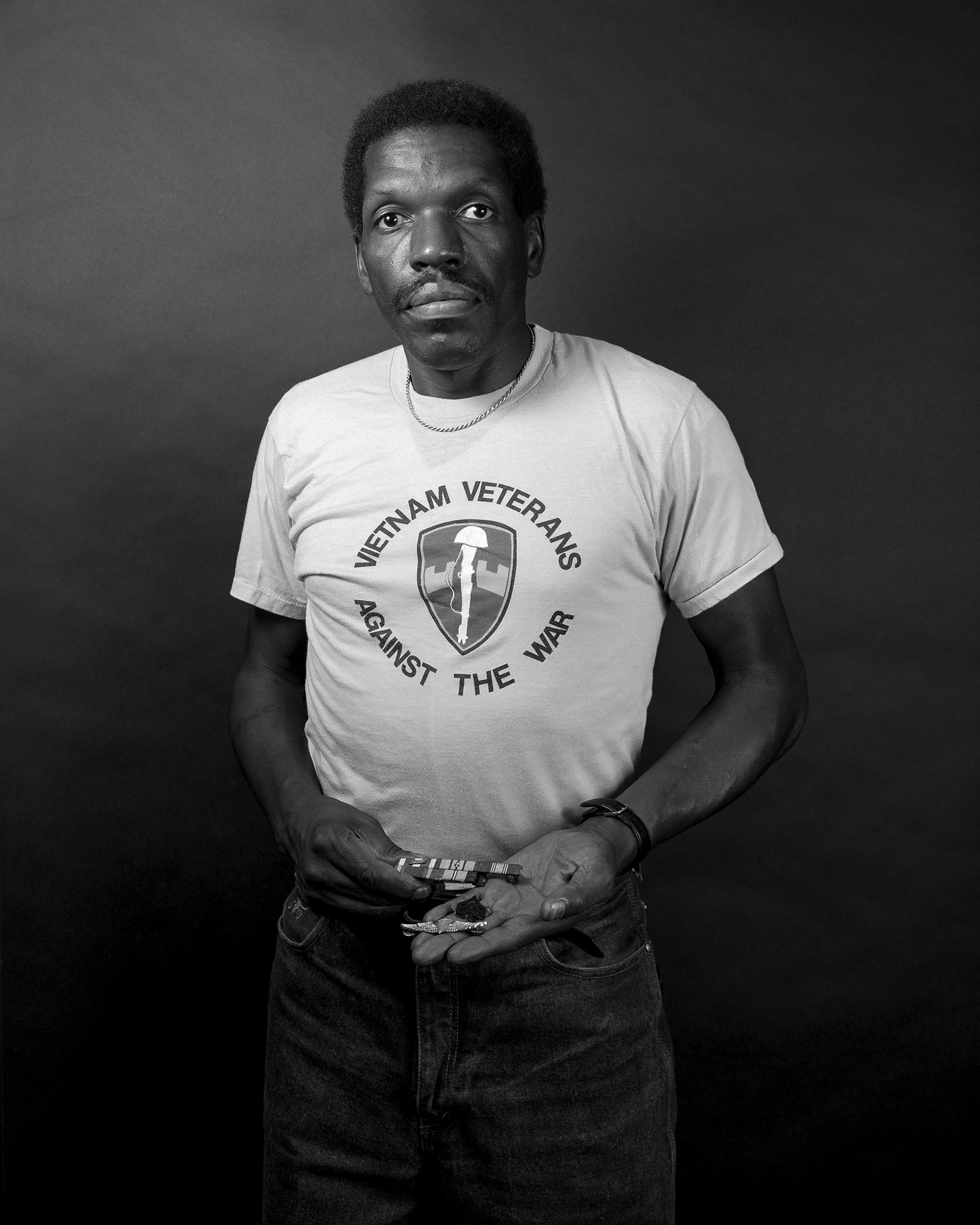


On Patrol by Lamont B. Steptoe
I still move through life
as if I was in Vietnam
with snipers and booby traps
ready to waste me
Twenty years later
loud noises disconnect my heart
a cat’s whisker
twitching in the wind
wakes me at night
Twenty years later
I’m still at war
because America’s at war with me
(or rather the color of me)
Twenty years later I’m still breathing
Many ain’t
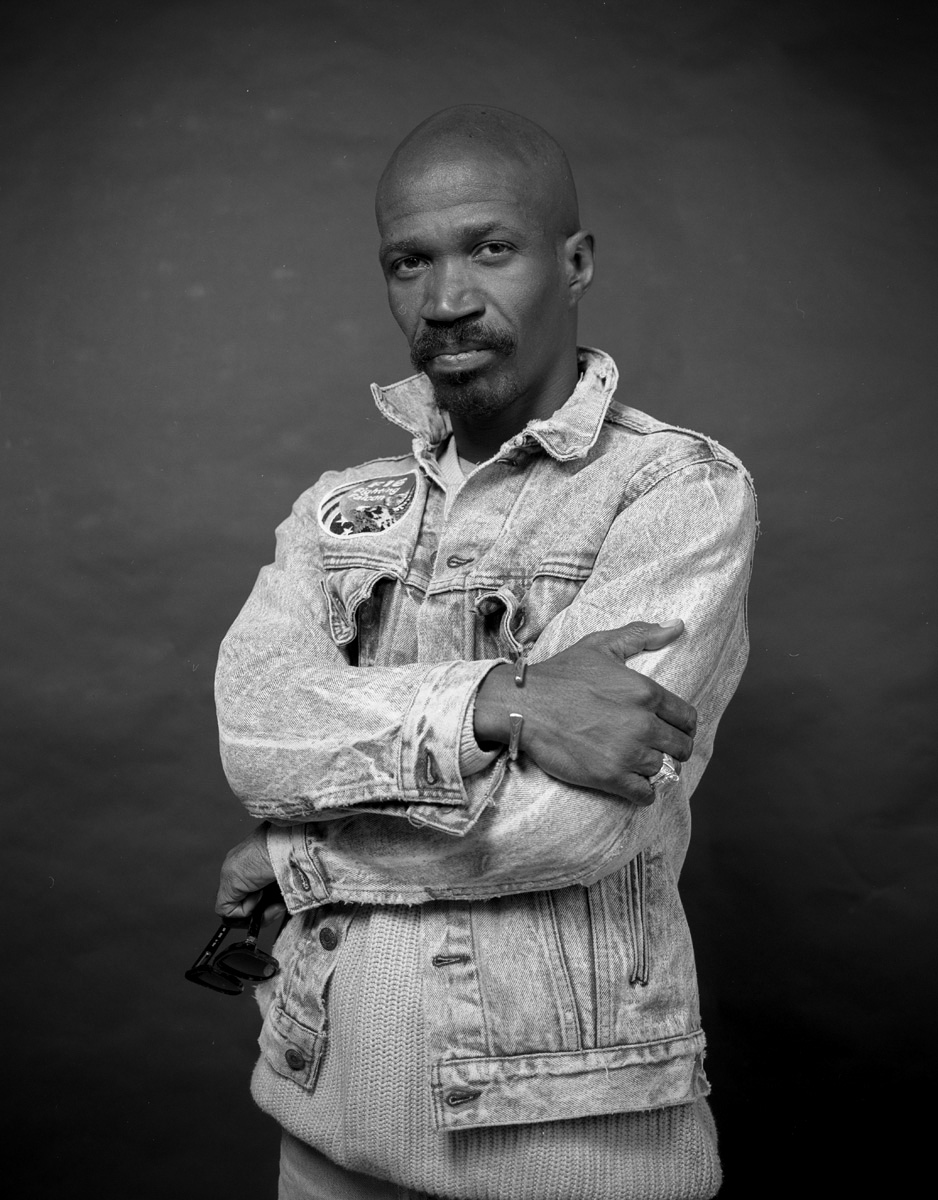
Hit Parade by Jabiya Dragonsun
Full of life
Eyes bright with music
Your joy
Your excitement for life
Soothed the anger inside
To hear you speak of home
Gave reason to endure the war
To hear you sing
Shaped my life
You were not a casualty
Just a victim
A target
A number of war
You were not counted by
The Viet Cong
Never listed on their charts
On their hit parade
Your death was never music to
Their fine-tuned ears
My friend
My brother in war
You
You
Frankie you were
Another King
Another Malcolm
Another nigger in the bush
Gunned down by stars and bars
Another score added to
The Klu Klux Klan’s
Good old boys
Hit parade
Ep 9 script
This episode is dedicated to the memory of Clarence Fitch.
[WILLA]
Hello and Welcome to A Matter of Conscience: GI Resistance During the Vietnam War
[Music: “I-Feel-Like-I’m-Fixin’-to-Die Rag”]
I’m Willa Seidenberg
[BILL]
And I’m Bill Short
We’re back from our trip to Eastern Europe …and we have more amazing stories to tell you. This episode is especially poignant because it tells the stories of African American GIs who were fighting two wars at once.
We have to warn you that in addition to profanity, this episode has some disturbing descriptions of violence, physical abuse and racial discrimination.
[music]
[Lamont Steptoe reading On Patrol:
Twenty years later
I still leave home
like I was going on patrol]
[WILLA]
This is Army veteran Lamont Steptoe reading his poem – On Patrol.
[I still move through life
as if I was in Vietnam
with snipers and booby traps
ready to waste me
Twenty years later l
loud noises disconnect my heart
a cat’s whisker
twitching in the wind
wakes me at night
Twenty years later
I’m still at war
because America’s at war with me
(or rather the color of me)
Twenty years later I’m still breathing
Many ain’t]
[Willa]
This poem was published in 1990 and Lamont read it for us just a few months ago. Lamont grew up in Pittsburgh, which happens to be my hometown. He and his three siblings were raised by their mother who was a domestic worker for a white family. In our 1989 interview, Lamont talked about his older brother James, who went into the Army around 1959.
[STEPTOE T1-1 8:27 He was airborne with the 100 and first airborne Screaming Eagles. So all of his patches and medallions and medals were something that fascinated us as little kids. his shined shoes and and his custom fitting clothes were something that were sort of a spectacle to us] (LS 1)
James was a tough guy … the opposite of Lamont who describes himself as a sensitive, bookish kid. He wanted to be a scientist – and he had the brains and the grades to do it. He got some scholarships to attend Temple University in Philadelphia in 1967. He figured he’d have to go into the service after college so he joined ROTC his freshman year.
STEPTOE T1-1 31:04 I said, ‘Well, if I have to go in the military at the conclusion of college, want to go in as an officer.’ (LS 2)
Lamont did well at Temple, But … on April 4th, 1968 everything changed.
STEPTOE 31:49 I was in the library on the campus of Temple University, doing a research paper on comparison and comparison in contrast of the lives of Martin Luther King and Mahatma Gandhi. And I came out of the library around 830 that evening and began and started across campus to go back to my apartment. And this brother walked up to me and said, Did you hear what happened? LS 3
[OT-49 NBC news report on MLK assassination]
[STEPTOE (cont from above) I was speechless. I was just doing a research paper on this man’s life. I was stunned. I couldn’t say anything. I just got back to my apartment, turned on a radio. Of course, all the black stations were playing hymns and eulogizing him, and the city was in an uproar.] (LS 4)
As sirens blared all night in North Philadelphia, Lamont was glued to the radio, weeping over the loss of such a forceful and visionary leader. The next day, he took part in a huge march down Broad Street.
[STEPTOE T1-1 34:00 the day after that, I went to the army recruiter and asked him how soon I could get out of here, how I wanted to volunteer for Vietnam, which seems really strange because Martin Luther King was against the Vietnam War,] (LS 4)
Lamont knew joining the military didn’t make sense
[STEPTOE T1-1 35:23 all I knew was that I had to get out of this country. I just wanted to get out of Philadelphia, out of America, away from America.] LS 5
When Dr. King was killed, Army veteran Julius Williams – who goes by the pen name Jabiya Dragonsun – was in a bunker in the town of Pleiku in central Vietnam. He and other Black GIs were smoking pot and drinking rice wine … when a white soldier ran into their bunker which was poorly lit.
DRAGONSUN T1-1 37:25 before his eyes could get adjusted and going they killed that negative killed that fucking King God dammit, they killed that nigga, damn, they got him they got him good. And then he realized that he was in a bunker full of black men. And we fucked him up. And there was no remorse about it. And it was the first time in my life that I had been in a fight. And enjoyed it. I think we all did. And I think it was maybe a week straight. After that. You couldn’t get a black soldier to really want to go on patrol or go on patrol.] (JD 1)
[short music]
Dr. Martin Luther King had opposed the war for some time. But he refrained from publicly criticizing U.S. involvement overseas. He and many Black leaders were reluctant to speak out because President Johnson was supporting civil rights legislation.
[OT-50 archival sound of LBJ signing 1964 civil rights act (CBS original source of video) My fellow Americans, I’m about to sign into law the civil rights act of 1964.]
Dr. King was watching in the now demolished East Wing of the White House as President Johnson signed the bill, outlawing discrimination based on race, color, religion, sex, or national origin.
[OT-50 Let us lay aside irrelevant differences and make our nation whole.]
As the war dragged on, King began to speak out against it. In April 1967, he addressed a crowd at Riverside Church in New York City.
[OT-44 @2:34 MLK speech: a time comes when silence is betrayal, that time has come for us in relation to Vietnam. The truth of these words is beyond doubt, but the mission to which they call us is the most difficult one, even when pressed by the demands of inner truth, men do not easily assume the task of opposing their government’s policy, especially in time of war,]
[M-80 Oh, It Is Jesus]
When Dr. King publicly spoke out against the war, Greg Payton was stationed at a U.S. Army supply unit in Long Binh, Vietnam. He and his fellow Black soldiers didn’t hear the speech at the time. But they knew about it. A year later, when King was assassinated, they went into mourning. And the Army was worried there would be a riot.
PAYTON T1-1 33:40 they had the NCOs go around the unit and make sure that the black guys couldn’t get together and console each other, you know. And it was like really a grief thing, a shock thing for the whole world. Nevermind, just us over there. But we were really shocked, you know what I’m saying? (GP 1)
Just a few weeks after Martin Luther King delivered his Vietnam speech at Riverside Church, another famous Black American made a link between the racism he faced at home and fighting in Vietnam.
[OT-54 Sound of Muhammed Ali in the boxing ring]
Boxing champion Muhammed Ali announced he would refuse induction into the US Armed Forces.
OT-45 Muhammed Ali. I will say here boldly right here on television, no, I will not go 10,000 miles from here to help murder and kill another poor people simply to continue the domination of white slave masters.
A judge gave Ali the maximum sentence of five years in a federal prison and a 10-thousand dollar fine. He was stripped of his heavyweight boxing title … and he couldn’t fight for the next 5 years, during his athletic prime.
[M-84 Black Superpower, Johnny Wakelin]
During World War II, the U.S. still had a segregated military. There were separate units of African American soldiers and often they were assigned menial jobs that didn’t involve combat. After the war – in 1948 – President Harry Truman signed executive order 9981.
[OT-51 archival sound of Truman signing EO to desegregate: There shall be equality of treatment and opportunities for all persons in the armed forces without regard to race, creed or color.]
SAM BLACK 9:10 Vietnam, in my mind, as a historian, was probably the first real conflict of America with a truly integrated military, (SB 1)
Sam Black is a historian at the Heinz History Center in Pittsburgh … and the author of Soul Soldiers, African Americans and the Vietnam Era.
[the Korean War, you actually had some of the brass in the American military that refused to integrate their services. (SB 1) ]
On paper, the military was desegregated. But in practice African Americans still faced racism and discrimination. Black soldiers made up almost eleven percent of all servicemen during Vietnam. They were more likely to be assigned to the dirty and dangerous jobs as Greg Payton found out.
[PAYTON T1-1 16:25 in the beginning, we had like a lot of dirty jobs to do
burning feces, cleaning out urine pits, and all kinds of different things, which we did . But what I began to notice was that like a lot of white recruits was coming in and they weren’t getting the same assignments that I was getting. And it got to be pretty disturbing after a while.] (GP 2)
[STEPTOE T1-1 45:26 they would tell us there’s only one color in the army, OD green. I began to get a sense that racism was rampant. ]
Lamont Steptoe says he was called before a board of officers after he complained about being treated differently because he was Black.
[STEPTOE: Sitting in front of them telling them over and over about these instances where I felt that I was being treated differently than the white soldiers and that I was being given a more difficult time, and them repeatedly to the man, all white officers telling me that there was only one color in the military. (LS 6)
Lamont tested high on the military intelligence tests, so the Army sent him to OCS – Officer Candidates School.
[STEPTOE T1-2 :52 it began to bug me that I would become an officer, be responsible for going to Vietnam and being in charge of the lives of 30 plus men, and ordering them: to do things that would cost them their life. When I did not believe in this war,] (LS 7)
Lamont’s commanding officer told him if he quit OCS, he’d be punished by having to walk point in Vietnam. Walking point is one of the most dangerous positions in combat. It’s where a soldier walks at the front of his company’s formation as they enter into enemy territory. Despite the threat from the commander, Lamont and 15 others quit OCS over a two-week period.
[STEPTOE T1-2 9:56 I got sent to a Casualty Company, and then I got orders. For a dog unit, a Scout dog unit, which meant that I was going to walk point in Vietnam.] (LS 8)
[slight little music sting]
Clarence Fitch grew up in the Harlem neighborhood of New York City. He enlisted in the Marine Corps and was stationed in Hue, Vietnam. Clarence was assigned to a medical battalion and was injured by shrapnel during the 1968 Tet Offensive.
[FITCH T1-1 26:19 we saw a lot of death, and we saw a lot of wounded and, you know, I mean, we’ve seen bodies stacked so high 27:30 sometimes we used to bring in bodies that had been out there for a long time. And, you know, with the maggots and everything, a lot of times it was pieces of bodies, a lot of times it was you know, that just seemed just like hundreds and hundreds of 1000s of people. I don’t know, if there was a harder experience in Vietnam, you know] (CF 5 & 5B)
[M-85 Dixie, 2nd South Carolina String Band]
During Vietnam, white Southerners still dominated the military and especially the officer corps. And, many military bases were in the South.
[M-85 Dixie, 2nd South Carolina String Band]
In May of 1969, a Black soldier wrote to Ebony magazine complaining about the number of confederate flags on U.S. bases. Here’s what he said:
The Confederate flag is a mockery of the U.S. Army, the country, and the democratic system which I am fighting for. It’s a form of treason, catering to a government that no longer exists.
When Greg Payton was in Vietnam, the Army transferred him from an all-Black hootch to what he labeled a redneck hootch. “Hootch” is what GIs would call their living quarters.
[PAYTON 25:27 a guy had got a confederate flag from his father. And it was a big one and the flag. His bunk was near mine, and he put the flag up and part of it was in my area. After he finished putting it up, he sort of mine it, and then I reached up and snatched it down and ripped it, you know, oh, my God, I thought World War four has started. I mean, he was, “my daddy gave me that” Oh, my God, “my dad,” and you know, this and that he went up and he was really upset. And I could see that if he had a pistol right then he probably would’ve shot me.] (GP 3)
Greg says many of the white GIs he served with in Vietnam had never before interacted with Black people who were not subservient to them. Many GIs, Black and white, had never really been around people of the opposite race, and had never even been out of the country. Greg had misconceptions when he arrived in Vietnam.
[Greg Payton: 11:48 we landed in Ben Hoa airport, under heavy air support, you know, a lot of helicopters flying around, and we got on a bus. And the first thing I remember seeing is Exxon gas station. And it blew my mind because, you know, I didn’t have no idea that Exxon gas stations were in Vietnam, I thought I’d be in the jungle, I didn’t think there would be any semblance of civilization or anything like that. (GP 4)
Greg had resolved to be a good soldier. But the Vietnam Greg confronted was a violent and dangerous place. His attitude toward the military quickly soured. He began to resist orders and he was getting into fights. On Christmas Eve he got involved in a fight between a Black and white GI.
[PAYTON T1-1 22:17 We heard somebody lock and load a weapon, we hit the ground instinctively, got opened up automatic fire on us in the company area, this thing began to heighten, you know, it was kind of thing everybody had a weapon over there. It wasn’t just like out there ‘I don’t like you’ it was like, ‘Well, I don’t like you should watch your ass because you might get get shot.’ And that’s what happened. I got shot at that was the first time I got shot at by Americans in Vietnam.] (GP 5)
Greg’s attitude was going downhill fast. He was going on sick call a lot, getting into fights… and, he was getting death threats. What also began to disturb Greg was the way American soldiers treated the Vietnamese. He told us an appalling story about a white GI from Kentucky named Muncie.
[PAYTON T1-1 19:17 super artificial macho guy. We were coming back from guard duty. We feed the people out in the field. We had like leftover food, bushels of apples and oranges and stuff. A group of Vietnamese kids came up to our truck begging. these kids had that. You know, I’m hungry. Give feed me that kind of you know that real kind of look. So Muncie, he does a real good ‘look at these gook kids’. He took a bite out of apple and he threw it in the dirt man. out, four or five kids don’t want it was just like when he dropped a piece of bread in the fish tank, you know, and it just really set me off. I just damn it threw him out of the truck, and truck was still moving.] (GP 6)
Greg was brought up on charges for that incident. Meanwhile, he and other Black GIs started going to Saigon to get away from their base. They would sometimes visit opium dens, and many of them had Vietnamese girlfriends.
PAYTON T1-1 32:26 When I began to get involved with the Vietnamese people. And as I began to understand them, and especially like looking at their family structure, and see I came from a broken home, and one of the things I noticed right away about Vietnam was they had a strong family structure. There were Viet Cong that were in the village and stuff like that, but it was never no problem and they accepted me sort of like you know (GP 7)
30:24 As a matter of fact, I felt much more easier being with the Vietnamese people than I did with the Americans. (GP 7B)
Greg had often referred to the Vietnamese as gooks, a derogatory term many GIs used. But one day, when his first sergeant used the word, Greg had an epiphany.
PAYTON T1-2 23:24 yeah, the Gook is the same thing as a nigger. And it was like, damn, well, light went on. I did not understand the racism involved with the terminology. I was oblivious to it. (GP 8)
LAMONT T1-2 19:18 because of the pejorative use of the term gook and the way white GIs would treat the Vietnamese, I began to have a resonance of slavery. LS 14
Here’s Lamont Steptoe again.
LAMONT I began to feel like somehow I was witnessing what it must have been like for black people when slavery was legal. I began to identify with the Vietnamese. You know, the hooch girls would tell me, you same, same, us. never in 16 months of Vietnam. I. Never referred to the Vietnamese people as gooks. LS 14
[music–maybe vietnamese music here]
As soon as American soldiers landed in Vietnam, they got a hefty dose of realty. For Lamot Steptoe, the first sign that something was wrong was seeing young GIs who looked like old men:
STEPTOE, T1-2 14:09I mean, I knew that they were 20, 21 but they looked 45 so there was like this shock between, you know, why do these young men look so old? (LS 9)
Lamont also wondered why the buses all had wire screens on the windows.
STEPTOE T1-2 15:19 And then we pull outside the gate and all these Vietnamese kids start rocking us, just pelting the bus with rocks and saying, “fuck you GI” and giving us the finger and stuff, you know, it was like a real shock, you know what? These people don’t love us, and these wire screens are to keep out hand grenades. (LS 9)
FITCH T1-1 33:50 for the first time, it was really looking at the enemy, not so much as the enemy, but as another minority brown people, (CF 1)
Here’s Clarence Fitch again.
the sense of that was not wasted, you know, they reminded us of it too, you know, there was a lot of propaganda put out by the Vietnamese themselves,in relation to that. And it wasn’t lost on us, people started really trying to educate themselves, about where how the war started, where the war was going Beginning in 1965, a North Vietnamese broadcaster– who went by the name Thu Huong would broadcast radio programs to American servicemen.
VN-43 Hanoi Hannah :11 GI, Your government has abandoned you. Defect GI, it is a very good idea to leave a sinking ship.
American GIs gave her the nickname “Hanoi Hannah.” Her real name was Trinh Thi Ngo. We interviewed her in Ho Chi Minh City in 1993.
Clip of Trinh Thi Ngo (in Ep 9 folder on external drive) Sometime we put on special program for the Black people, which also talked something about the racial discrimination. When they are in the Army they are mates, but come back home they are no more mates.
The message about racism in the military wasn’t lost on the Black GIs. And Lamont Steptoe says neither were the stories they were hearing from the field.
STEPTOE T1-2 37:55 the Vietnamese sometimes letting Black soldiers walk through an ambush and then shooting the white soldiers. And then this how the statistics showed that a lot of Black soldiers died from shrapnel wounds compared to gunshot wounds, which is a more deliberate kind of a thing,of Black soldiers having their weapons being taken away by Viet Cong or NVA, and then being given political lessons and put in political classes, and then having their weapons given back to them and told them to go back.all of these stories would got, would get back to us, and we would discuss these things, (LS 10)
SAM BLACK 55:48 Black Americans. Were not strangers in appearance to Vietnamese because of the Indo China war with the French,
Here’s Historian Sam Black again.
a large contingent of the French military force were African, Francophone colonial troops, and so the Viet so African Americans were not the first engagement for Vietnamese, whether it’s on the battlefield or in the streets of Saigon, they knew and saw people of African descent before (SB 2)
[M-86 Viet Nam, Madame Nellie Robinson]
The Black GIs started reading books like Soul on Ice by Eldridge Cleaver, and magazines such as Ebony and Jet, and they were listening to all the black music they could find. Black soldiers often segregated themselves.
FITCH T1-1 32:43 A lot of people thought that this was going to be the first integrated army because of what a nd the whole cult black cultural experience, man is that we didn’t really want to integrate into what we considered, you know, the White Man’s War. it was just that our consciousness had been raised to a point where it wasn’t our war. (CF 2)
STEPTOE T1-2 30:36 there would be like Black hooches, where no white soldiers were allowed. And the whole, you know, Black Power movement thing would, you know, really started to get Black soldiers, really, you know, became very clustered together. (LS 11)
FITCH T1-2 :22 the brass would like try to prevent this, you know, they would try to assign you to, integrated hooches and stuff like that, and we would move and switch our beds around, and they used to, like really give us a hard time about that. CF 3
JABIYA T1-1 39:31 when officers would walk up to us and instead of saluting we would go to Black Power sign right hand up strong and fist, and it really raised a lot of hell with that. And I gained my consciousness of who I was in Vietnam. Again, my consciousness of being Black, (JD 2)
STEPTOE T1-2 39:05 when we would go into the mess hall, we didn’t go in as individuals. We went in generally as a group. Or if you did come in by yourself, you put your tray down, and you went to every single table and gave up the DAP to every single Black man in the mess hall before you sat down to eat. (LS 12)
the DAP comes from a Vietnamese word, which means beauty or beautiful, and it was a ritualistic handshake that varied in various parts of the country, a very complicated ritualistic handshake that one Black soldier, or one Black and Hispanic soldier, would give to another, and some white GIS, you know, who hung out with Blacks would would learn it. (LS 13)
[M-86 Viet Nam, Madame Nellie Robinson]
FITCH T1-1 35:17 I felt pretty guilty about being in Vietnam as a Black man after knowing what I know, you know, and, and being conscious and, you know, of the history. And my guilt was reflected in my behavior as with a lot of people. (CF 3)
Clarence Fitch and ten other Black GIs were swept up on charges of conspiracy to commit murder after a Non-Commissioned Officer was found beaten and unconscious. The group was sent to the Marine brig in Da Nang.
FITCH T1-2 6:49 There was a lot of people in there for drug charges. People in there for resisting, refusing to go into the field. There were a lot of sabotages, a lot of fragging incidents. I witnessed fraggings. (CF 4)
Fragging refers to the use of fragmentation hand grenades to deliberately kill or injure. The targets were usually officers or NCOs who were racist or bad leaders, and often put soldiers in unnecessary danger.
[FITCH T1-2 7:43 7:43 I’ve seen a lieutenant get pretty seriously injured, behind a hand grenade going into his bunker. I’ve seen guy, shoot an NCO in the back in the field in a firefight, turn the rifle in the wrong way, (CF 6)
Fragging wasn’t a new phenomenon, but the Vietnam War recorded the highest number of incidents. Author George Lepre wrote a book called Fragging: Why U.S. Soldiers Assaulted Their Officers in Vietnam. He estimates there were more than 900 fraggings during the war, with more than one hundred deaths.
[GI-40 NBC News report on fragging trial: ]
Billy Dean Smith was a Black, 22-year-old draftee from the Watts neighborhood of Los Angeles. He was openly against the war, and he became a cause celeb among anti-war GIs and civilians.
[GI-40 NBC News report on fragging trial: ]
After a trial that lasted several weeks, Smith was acquitted of the charges.
An increase in fragging started around 1968, according to author George Lepre. He attributes the rise in fragging incidents to deteriorating morale, racial tensions and drug use. Greg Payton says he smoked marijuana religiously every day that he was in Vietnam.
PAYTON T1-1 23:24 I don’t remember the day that I didn’t smoke marijuana was very easily obtainable. But then what happened was I started getting into binoctals, these were pills. And these pills are very, very, very potent. And I started taking these pills and smoking marijuana and drinking alcohol. And this was a regular kind of day for me, you know, I stayed fucked up every day I there seemingly. (GP 9)
Between the drugs, the racism, and the futility of the war, Greg Payton was getting more and more angry.
PAYTON T1-1 25:00 People would push me to see how long my fuse was. I started having these incidents and they began to multiply. Little things. they transferred me from hooch to hooch they took me out of all Black hoochjust stay with all black guys they said well they’re gonna fix me put me in a huge with rednecks (GP 10)
Greg stopped going on work detail and he began piling up more and more charges. At one point he was AWOL for more than two months. He had three court-martials and countless numbers of Article 15s.
PAYTON T1-1 46:33 And I went to the stockade and it was all these Black people man all these brothers mean that blew my mind that like 90%, maybe even more than that was Black, young 18-22 year old young Black guys and they were all in there for various different things nothing really real serious, more like disobeying orders than anything else you know (GP 11)
(26:20)
CLARENCE FITCH T1-2 8:16 , you gotta remember, I was 19 years old- witnessing death for the first time.
Clarence Fitch again.
And then just getting caught up in this whole environment where everybody carried a gun. And, you know, like, it was like, you lay down at night, and there was just so much tension going through, you know, I mean, with all the racial stuff, the war itself. And we were so young, but it just felt like, we were so much older . felt like you’ve been you had lived a long time, you know, like, that year in Vietnam was like 20 years, you know, I mean, it was just like you just saw so much and witnessed so much.
[music]
Historian David Cortright has written that the “strongest and most militant resisters were Black GIs.” He says their militancy was a reaction to the pervasiveness of racial discrimination in the military.
Black GI resistance in Vietnam came at a time when the civil rights movement was raging back home … led by leaders like Stokley Carmichael, who later changed his name to Kwame Toure.
[OT-52 Stokley Carmichael, “we want Black Power.”]
FITCH T1-1 31:18 a lot of the things that were going on in the United States kind of affected our behavior there, some of the Black consciousness, the whole Black power, movement and cultural experience was taking place there, too, We were growing afros. We were expressing ourselves to ritualistic handshakes, Black power handshakes, African beads. Trying to eat up as much black music that we can get our hands on,. (CF 8)
[music]
Many of the Black and white veterans we interviewed said they were influenced by Black Nationalist leader Malcolm X.
[OT 47 Malcolm X’s last speech]
And from Washington, D.C., they exercise the same forms of brutal oppression against dark-skinned people in South and North Vietnam, or in the Congo, or in Cuba, or in any other place on this earth where they’re trying to exploit and oppress. This is a society whose government doesn’t hesitate to inflict the most brutal form of punishment and oppression upon dark-skinned people all over the world.
This is the last speech Malcolm X gave before he was assassinated one week later in 1965.
After Lamont Steptoe read The Autobiography of Malcolm X, he convinced the other Black soldiers in his unit to wear black armbands on the first anniversary of his death.
LAMONT T1-2 35:24 I said that, that we owe it to Malcolm to to make a statement on his birth, on on the day of his on the day of his assassination. And they agreed with me. 36:17 And the company commander Lieutenant called me into his office and said, Lamont, because he always liked me. And he said, “Lamont, I understand you know your point, but it’s out of uniform, and now that you’ve made your point, I have to ask you to take them off, because if you don’t, I’m going to have to court martial you.”
37:06 We had a long discussion about it and I said “Sir, I have to discuss it with the rest of the men.” And I went back and we discussed it, and we felt that in the interest of our own well being, and given you know, what we had given to make, the various ranks that we had made and how little we were being paid anyway, that that we had accomplished our task. And so we took them off some hours later.
[music]
The Department of Defense recorded more than 500-thousand cases of desertion during the course of the war. Most went to Canada and Sweden. The very first soldier to seek asylum in Sweden, was a Black Army private named Ray Jones the Third. Another was Marine Terry Whitmore of Memphis. Whitmore was severely injured in combat, and there’s a photo of President Lyndon Johnson personally giving him a Purple Heart while Whitmore lies in his hospital bed at a base in Vietnam. When Whitmore was sent to Japan for more treatment, he made the decision to desert. He appeared in the documentary Sir, No Sir!
GI-32: Terry Whitmore in Sir, No Sir!
How did you come to the decision to desert?
When you’re laying on your back day in and day out you have a lot of time to think and you think about what you’ve been through and people that have died. It always reminded of the people in Vietnam and things you’ve seen
Black GIs stationed at bases in Europe, the Pacific and the United States carried out their own acts of resistance – refusing orders, working on GI newspapers, and questioning the legitimacy of the white-dominated military command.
For the Black soldiers who saw combat in Vietnam, coming home had its own set of problems. Clarence Fitch said it was a shock to come back to what GIs called The World.
CLARENCE T1-2 1:25 we were so tight over there and was so looking out for each other that it just, we got back to the states, it was like, you know, we had to get used to things not being like that anymore. You know, the love that we show for each other and know, that just plain ying togetherness, you know, and unity. And it was, it was, it was something that was very special. (CF 9)
GREG T1-2 20:32 I was so excited about coming home. First thing I knew man, how dirty and deplorable was in my neighborhood. How I dreamed about coming home, but I got home I said damn this is filthy man this is dirty shit. (GP 12)
The drug use that Greg Payton started in Vietnam, followed him back home.
GREG T1-2 39:28 I went through the whole thing of being, you know, really addicted to drugs. I mean, addicted brother, I’m talking about like, I was homeless in the streets, begging in the streets, man behind my drug addiction, I lost my job, my family, everything, lost it all. And I’ve been able to work on that a day at the time and all the negative situations I’ve been presented I’ve been able to fight my way out of it. 40:02 you wouldn’t have been able to find me three years ago, man, I’d have been like, you know, this guy. You know, I’m saying we’re sitting out on you know, like on a patio in my house, the deck my house man that’s like, you that’s really unreal man. Because there were a lot of pain and suffering, (GP 13)
Studies done after the war showed that only a small percentage of veterans remained addicted to drugs when they returned home. But drug addiction among Black veterans was higher.
T1-2 JABIYA 45:24 I’m a drug addict, a recovering addict, thank God.
This is Jabiya Dragonsun again.
And I blame the United States Army for allowing it to go that far. Because if they hadn’t had their illegal war in Vietnam, I would have never gone. but most likely I would have never, ever obtain or narcotics habit. (JD 3)
When Jabiya left Vietnam, he was stationed at Fort Carson in Colorado where he got involved with GI anti-war groups. It was there he met Curt Stocker who we heard from in our episode about GI underground newspapers. Jabiya was so affected by his experience in Vietnam that he applied for Conscientious Objector status. That’s something soldiers usually do to avoid combat in Vietnam. At the time I interviewed Jabiya some 35 years ago he was still struggling with his Vietnam experience.
JABIYA T1-2 40:41 Got out of Vietnam on August 18th 1969. And here it is. October October 13 1991. And Bill, I am still emotionally distraught. I’m still emotionally, I’m an emotional roller coaster. That’s why I was asking for Conscious Objector status . I could not deal with weapons, could not deal with anything a destruction of time. I was trying to find my way into a peaceful way of existence at the time. (JD 4)
Clarence Fitch was on his own roller coaster.
Clarence T2-1 1:30 a lot of us, we were going to pieces, you know, Country Joe and the Fish line, and one of his song was, and it says, you know, “we, we lost our lives in Vietnam, and we didn’t even know it,” you know, and that’s what happened for a lot of us came back once it didn’t make it back physically. It never, you never really made it back. You went through all this other shit. (CF 10)
For Clarence, homecoming meant years of a heroin addiction. At one point he even contemplated suicide.
T2-1 2:50 I got to the point where suicide would be the easy way out because I couldn’t live like I was living. And I was this to die, and then have the energy to do it no more. (CF 11)
3:37 I got a 16 year old daughter. I credit her with saving my life. Because at the last moment before I was going to check out of this life, I thought about her and I say, ‘Well, maybe try one more time to clean up because she might need you know, at least give up for her sake, give her one more chance, you know, try to stay around for her.’ And that’s what made me go into treatment that last time. (CF 11B)
When I interviewed Clarence in 1988 he was finally getting his life back together.
5:16 I haven’t had a drink or drug in over five years. I’ve been clean a while but just as I was about to celebrate my fifth year sobriety I got really ill and what they discovered was that I had this virus called AIDS (CF 12)
Clarence Fitch died of AIDS May 7, 1990.
[music]
Clarence told me he didn’t really start to confront his Vietnam experience until he began working with Vietnam Veterans Against the War. He often spoke to high school classes and took part in efforts to oppose U.S. intervention in Central America during the 1980s.
VVAW was also crucial to Greg Payton’s recovery from drug addiction and Post-Traumatic Stress Syndrome or PTSD. He’s still a peace activist and has traveled to conflict zones all over the world. We’ll hear more from Greg in an upcoming episode about Long Binh Jail.
Jabiya Dragonsun is a poet, musician and photographer who now lives in Florida…. You can read some of his poetry on our website.
Lamont Steptoe has been fighting bladder and prostate cancer as a result of exposure to Agent Orange while he was serving in Vietnam. That’s a toxic herbicide the United States used to defoliate the dense jungle and deprive the enemy of places to hide. But Lamont is still writing poetry and traveling around the world. He lives in Eugene, Oregon with his daughter and grandchildren. We’ll leave you with more of his poetry – this is an excerpt from a poem called “In Country.”
…
You can see more of Lamont’s work on our website at amatterofconscience-dot-com.
We leave you with an interesting side note about Muhammad Ali’s “conscientious objector”case. Clay versus the United States went all the way up to the Supreme Court! Ali’s birth name was Cassius Clay; he changed his name when he joined the Nation of Islam. In 1971 the high court held a secret vote that came out 5-3 against the boxer. Justice John Harlan was assigned to write the court’s majority opinion. Harlan’s thinking on the case changed when his law clerk read The Autobiography of Malcolm X. The book describes the Nation of Islam’s opposition to war… and it convinced the clerk that Ali was sincere in his objection to serving in Vietnam.
Justice Harlan then circulated a memo to the other justices arguing that the Department of Justice had wrongly dismissed Ali’s religious defense. The Supreme Court voted again, this time unanimously overturning Ali’s conviction.
…
Next time on A Matter of Conscience:
[Mike Wong: To go to Canada was to desert, you know, to run away. I didn’t really want to do that. And yet, there was no other choice.]
Michael Lindner: We were military, we had deserted from the Vietnam War, We would like transit from Russia to a neutral country.’
We’ll hear from GIs who deserted from the military and went to Canada and Sweden.
This podcast is independently produced with crowdsourced funds. We thank the dozens of people who donated and you can join them by going to our website, Amatterofconscience.com. You can also see a glossary of terms and show notes for this episode.
If you like what you heard in this episode, please give us a review and tell others about it.
This episode was written, edited and produced by Willa Seidenberg, with help from Bill Short and Polina Cherezova. Dylan Purvis is the associate producer. Many thanks to Country Joe MacDonald for giving us permission to use his song as our theme music. Some of the music arrangements are by Danny Seidenberg. Polina Cherezova is our amazing sound designer. Thanks to Jerome Campbell for reading that passage from Ebony. And to Lamont Steptoe for reading his poetry. We thank the Kazan McLain Partners Foundation for their generous support. Our fiscal sponsor is the International Documentary Association. Thanks also to Denise Abrams, Bill Belmont, Susan Schnall and veterans for peace, Sam Short, Lamer Steptoe and David Zeiger. And finally our biggest and most heartfelt thanks go to the veterans who shared their stories with us.