BONUS EPISODE: First Person with Bill Short, Part 2
In Part 2 of our bonus series, Bill arrives in Vietnam as a combat infantry platoon sergeant and squad leader. He shares details of his first impressions of Vietnam, the grueling and heavy combat he took part in, the events that led up to his decision to refuse to keep fighting, and how the military responded. This episode takes listeners on a deep dive into how combat troops operated in the jungles of Vietnam, and includes graphic descriptions and sounds of combat.
These three bonus episodes take listeners through Bill’s story from start to finish, expanding on the snippets that you hear throughout the entire podcast. These episodes were culled from six hours of interviews conducted by co-host Willa Seidenberg and associate producer Polina Cherezova.
Listen to this episode and explore the full podcast series on the A Matter of Conscience website.
Songs:
- “I-Feel-Like-I’m-Fixin’-to-Die Rag” – Country Joe McDonald – 1967
- “The Big Red One Song” – Official march of the U.S. Army, 1st Infantry Division
- “Napalm Sticks to Kids” – Covered Wagon Musicians – 1971
Listen to A Matter of Conscience:
Follow A Matter of Conscience:
Website: https://amatterofconscience.com/
Credits:
Producers and Hosts: Willa Seidenberg and Bill Short
Associate Producer: Polina Cherezova and Dylan Purvis Sound Designer: Polina Cherezova
Music Arrangements: Andrew Patinkin, Danny Seidenberg, “The Past,” by Lee Rosevere from Free Music Archive.
Fiscal Sponsor: The International Documentary Association
Special thanks to the Kazan McCLain Partners Foundation. Thanks also to Denise Abrams, Bill Belmont, and Sam Short.
Bonus Episode: First Person with Bill Short, Part 2
Willa Seidenberg 00:06
Welcome back to another bonus episode of A Matter of Conscience: GI Resistance During the Vietnam War. I’m Willa Seidenberg.
00:38
This is part two of Bill Short’s first-person account of his resistance to the Vietnam War. In the previous episode, we heard from Bill about his upbringing in a family of war veterans, getting drafted, and his grueling training for combat in Vietnam. We left off at the moment he was shipped off to Vietnam.
Bill Short 01:03
And I looked down the stairs of the plane to the tarmac, and I thought, “Holy fuck, I’m really here. This is Vietnam”
Willa Seidenberg 01:13
In this episode, Bill takes us along to his time “in country.” That’s the way soldiers would refer to being stationed in Vietnam. And by the way, if there are terms like this one you hear in any of our episodes that aren’t familiar, we have a glossary on our website at amatterofconscience.com/podcast. And take note: you’ll hear descriptions and sounds of combat as well as profanity.
Willa Seidenberg 01:42
As soon as Bill and the new soldiers got off the airplane at Bien Hoa Air Base near Saigon, they were shuffled into buses that would take them to the distribution points where they’d be assigned to their duty stations.
Bill Short 01:59
As we’re riding in the buses to get to the distribution points, the windows are all closed. There are chain link fence on the windows. The bus is hot, but they do that because there were saboteurs who would you know throw fragmentation grenades through the windows. Everything smelled like diesel fuel and rotting garbage. And to this day, when I smell diesel fuel, I immediately flash back to that first day in Vietnam.
Bill Short 02:35
And then we get to the distribution place at Bien Hoa. Since I had rank and I was a sergeant, I was given a .45 [pistol] and told to go to one of the main entrances to the base and ride shotgun on a garbage truck to make sure that the people on the garbage truck weren’t saboteurs or they weren’t going to be stealing anything. So, this big dump truck shows up and there’s four guys in the back who are in kind of like loincloths, and they have these garbage bags tied to the side of their waistbands. And there’s a Vietnamese guy driving the truck, private contractor, wearing a starched white shirt, hair perfectly coiffed and combed, perfectly nice dress slacks. First thing he does, give me this big smile and says, “Here, have American cigarette number one.” So, he offers me a Marlboro, I smoked then. He’s very proud of the fact that he could afford to buy American cigarettes. He’s very proud of the fact that he could drive a truck that was his own personal truck and his own business. He told me all about it, about how he had worked hard, and this is his truck, these guys were his workers.
Bill Short 03:51
And so, we’re driving around to all these mess halls, dumping garbage from the mess halls. And I have to get out of the truck to watch them, so they don’t steal stuff, or they don’t lob a grenade or whatever. They’d sift through the garbage, and they’d take out half-eaten food and stick it in the bags that were hanging from their waist, collecting this food to take home. That was a real eye-opener for me. That level of poverty, plus having driven through these villages to get to the distribution place, just seeing how poor everybody looked and how dirty everybody was.
Bill Short 04:31
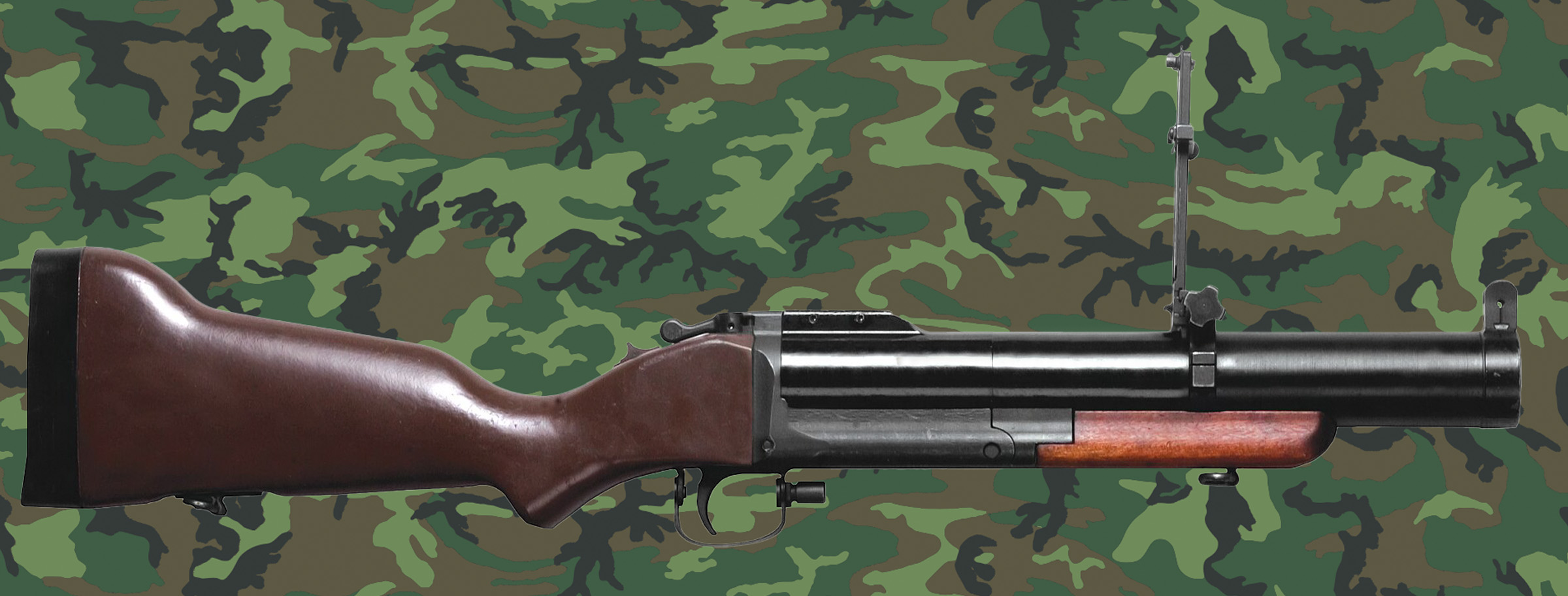
The other thing that you do is you have to get reoriented with your weapons training. Every single person there has to know how to shoot. So, we’re doing weapons training with these things called M79 grenade launchers. The grenade looks like a big bullet, and it fires this 40-millimeter grenade. And we’re doing target practice at an area that was an old Buddhist cemetery. I looked at it, and the sergeant that was running everything, and I said, “Why are we shooting at this cemetery?” And he said, “That’s just gook stuff. Just shoot it.” And I said, “I’m not going to shoot at a cemetery.” And he said, “Okay, just fire it over that way. There’s nothing over there. Fire it that way.” You know, and it just freaked me out that we were actually shooting at this thing that I had been very reverently going to as a kid, American cemeteries on Memorial Day; I put flags on people’s graves. And I wasn’t particularly religious, but I thought that was just totally wrong, morally and emotionally. I couldn’t do it. So, all those kind of things was kind of the way I got introduced to Vietnam.
Bill Short 06:00
After those three days, then I got my orders and I was assigned to the First Infantry Division, and the First Battalion, 26th Infantry Division, Alpha Company, A Company. When I got assigned to the First Infantry Division, somebody who was there when I got my order said, “Oh, you’re going to Rocket City.” He said, “That’s like Lai Khe.” I said, “Why is it called Rocket City?” He said, “Because it’s always under rocket attack by enemy rockets.”
06:36
Our battalion was what we called an air mobile assault group. We worked in areas that were also designated as free fire areas, which means you didn’t check identification. If there was anybody there, they were not supposed to be there. It was all hostile territory, so you had fair game to shoot first and ask questions later. Everybody we ran into in that area were considered enemy combatants, and everywhere we moved was by helicopter. We worked in a place 40 miles northwest of Saigon on a highway called Highway 13, also nicknamed the Highway of Blood, because it was a heavily traveled infiltration route. The North Vietnamese would send supplies down the Ho Chi Minh Trail through Laos and Cambodia, and then when it hit Cambodia, it would come into Vietnam to be smuggled in to supply enemy soldiers working in South, both North Vietnamese regular army and Viet Cong National Liberation Front soldiers. So, our job was to stop that infiltration and stop that supply route. And that whole area was considered a hot area. It’s an area there called the Fishhook. Michelin Rubber had plantations there.
Archival Sound 07:59
U.S. Army units operating north of Saigon have come under fire inside a rubber plantation during ongoing operations in the area.
Bill Short 08:07
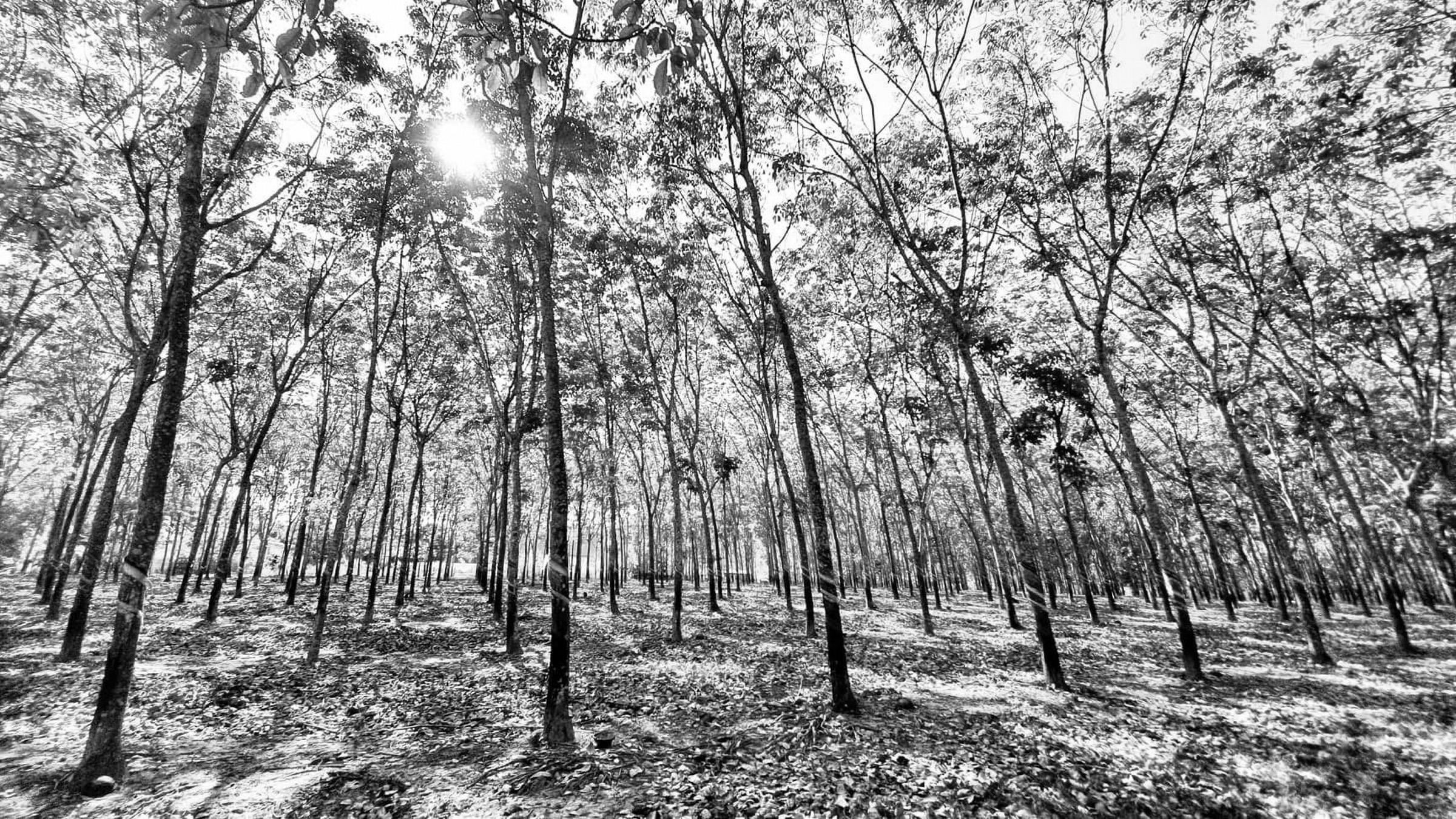
So, we’d go through these rubber trees, and there are all these trees that are planted about 10 feet apart in rows like corn, and then they would scar the side of the tree in this kind of diagonal scrape, and then they put usually coconut cups that would collect the sap, and then that sap was used to process into latex and other kinds of rubber. We were told we were not to damage any of the trees; that for every tree that was damaged, there was going to be a fine paid to the French government, and they actually told us that that tree’s more valuable than you. But you know, we often have firefights in the tree groves. Since there’s a canopy, there’s not much undergrowth. It’s kind of dangerous because you’re more walking in the open.
Bill Short 08:56
So, we got ambushed there a number of times, but basically what our job was was search and destroy during the day, ambush at night. So, we’d walk as a company during the day, which was about 80 men, smaller than World War II companies because we were kind of stretched thin. There’s four squads to a platoon, and at first, I was a squad leader, and then a platoon sergeant. And so, we would operate as a full company during the day, flying out by helicopter into deep jungle, and then we’d be out there on our own for three days, just patrolling the area, sometimes four, and we’d get resupplied by helicopter.
Bill Short 09:40
I carried an M16, 21 magazines, because I was superstitious and I was 21. I had 19 bullets in each magazine. I didn’t put 20 in the magazine because it was rumored that if you put 20 bullets in your magazine, your M16 might jam. I carried two fragmentation grenades, two smoke grenades, a Claymore mine. I carried a gallon of water. I carried sometimes a Starlight scope. It’s an infrared scope where you can see at night. One to two kilos of C4 explosives that we use for blowing up trees, and also cooking, poncho liner, which I slept in, which is just a kind of a quilted nylon sleeping cover. It all would figure out to be 55 to 65 pounds, and I weighed 130 pounds, 35 pounds.
Bill Short 10:35
So, we walked about six miles through the jungle. You’re like a big gang looking for trouble. You’re just wanting to make contact with enemy soldiers, either by getting ambushed or ambushing them, which is called search and destroy. We’d look for bunkers and look for munition’s caches, and mainly enemy soldiers. And then at night we’d split up in platoons. There’d be three platoons because the fourth platoon, the Oscar platoon, would be back in the base camp, the little night defensive position. It was a mini-base camp that would hold about 200 men that would fire support for us. So, if we got under attack or something, they could fire mortars or artillery shells to fend off the enemy.
Bill Short 11:20
About dusk, we would split off into three different groups and set up an ambush on a trail. We looked for trails that looked like they were heavily traveled. Enemy soldiers of Viet Cong would move supplies a lot at night, and they move them right after sunset and then right before sunrise. My job as a platoon sergeant or a squad leader was to direct fire, communicate orders from the officers down to the enlisted troops, and also set up and command the ambush structures. And then we blow the ambush, and then you have to get up and move, because once you blow the ambush and check the body count, then you have to go to a new location because everybody in the neighborhood knows where you are. And then we wouldn’t generally set up an ambush. We just set down for the night in a defensive position and just wait for sunlight.
Bill Short 12:23
You always have guard duty, so you only sleep two hours at a time. So there’s five people awake at all times. So, I can remember laying down at night thinking, “Oh, thank God! I made it through another day, and then you lay down and got ready to go to sleep, you go, “I got another day tomorrow.” Probably slept better in the jungle than I’ve ever slept in my life, because you’re so exhausted from being hyper-alert and carrying all that equipment through the jungle that you don’t give a shit about whether you get killed or not; you just want to sleep. And I slept in the most god-awful places with centipedes that are like nine inches long. You have to chase the scorpions out of the bamboo that you’re going to sleep on that night. Mosquitoes buzzing you constantly. You sweat. I had a patch of ringworm that stretched from my waistline to my armpit. My toes were constantly wet and slimy. I smelled bad. It’s not a pretty picture.
Bill Short 13:31
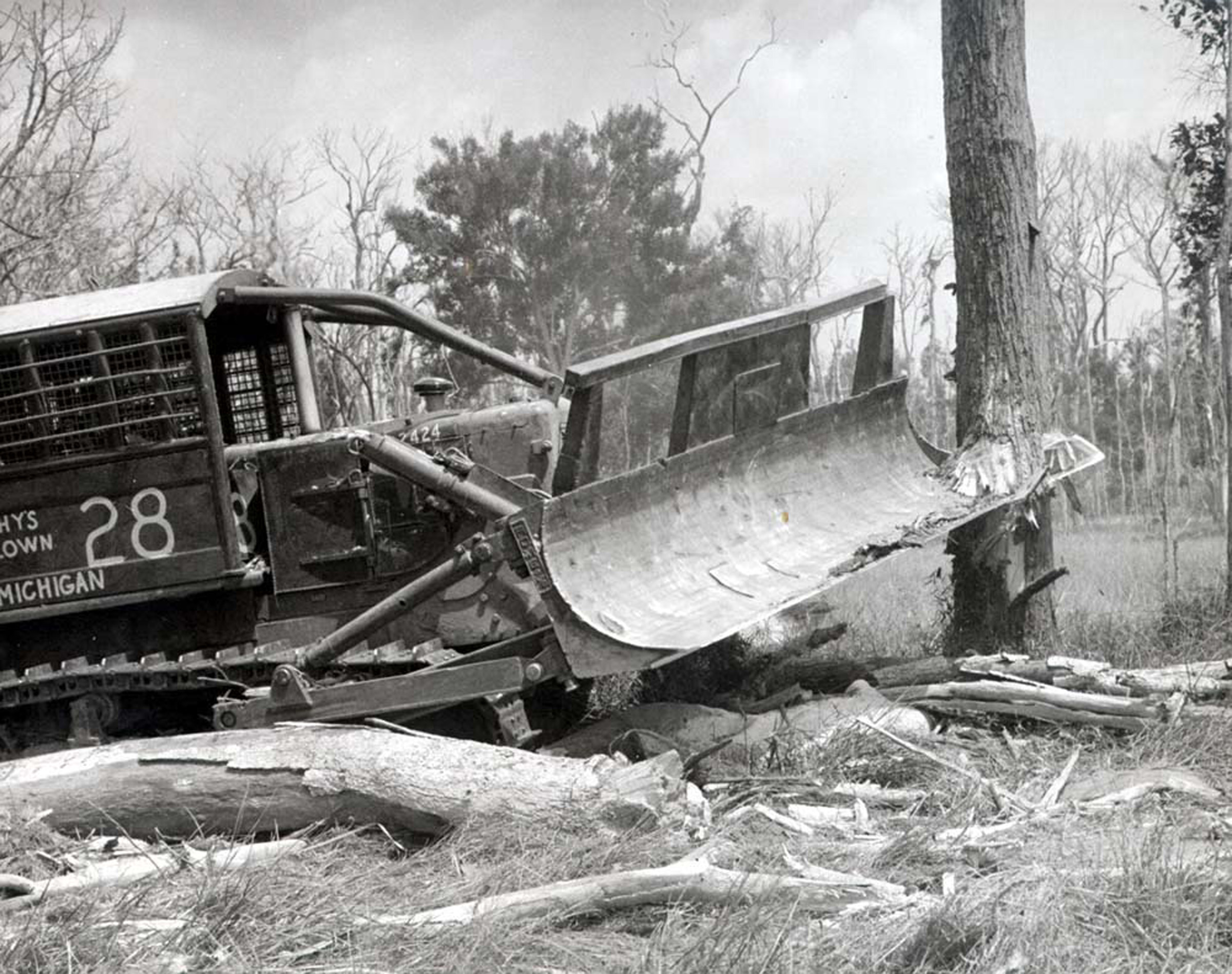
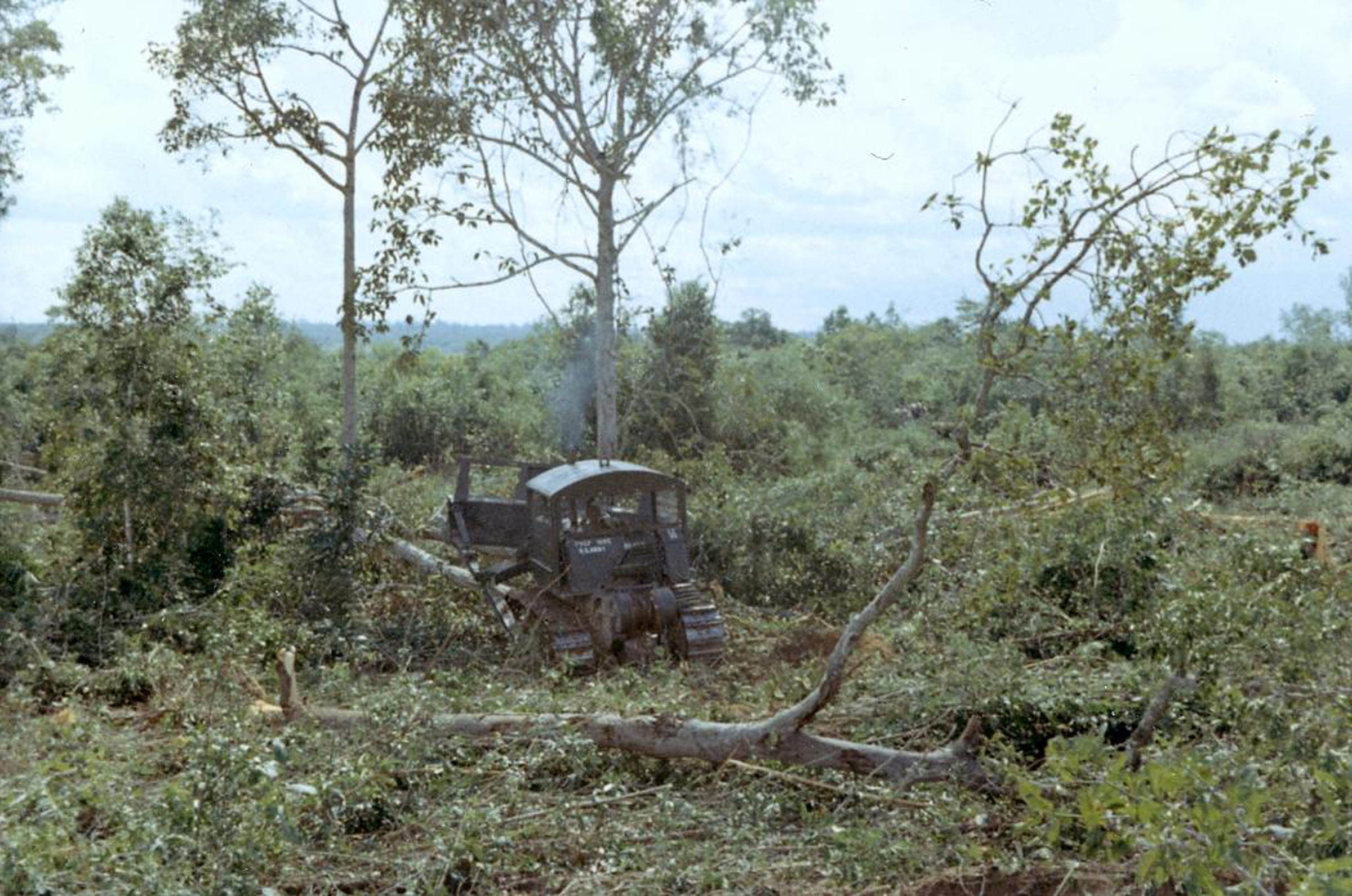
We made contact with the enemy almost every single time we went out. One time we sat down in a company-size compound at night. We were right on the edge of an area that was Rome plowed, and a Rome-plowed area is where they come through with Agent Orange and defoliate all the trees, and then Army bulldozers come down and cut all the trees down, just bulldoze them.
Archival Sound 13:58
This Rome plow, made in Cedar Town, Georgia, may not look like much of a weapon, but it turns out it’s a potent weapon in the fight against the Viet Cong.
Bill Short 14:07
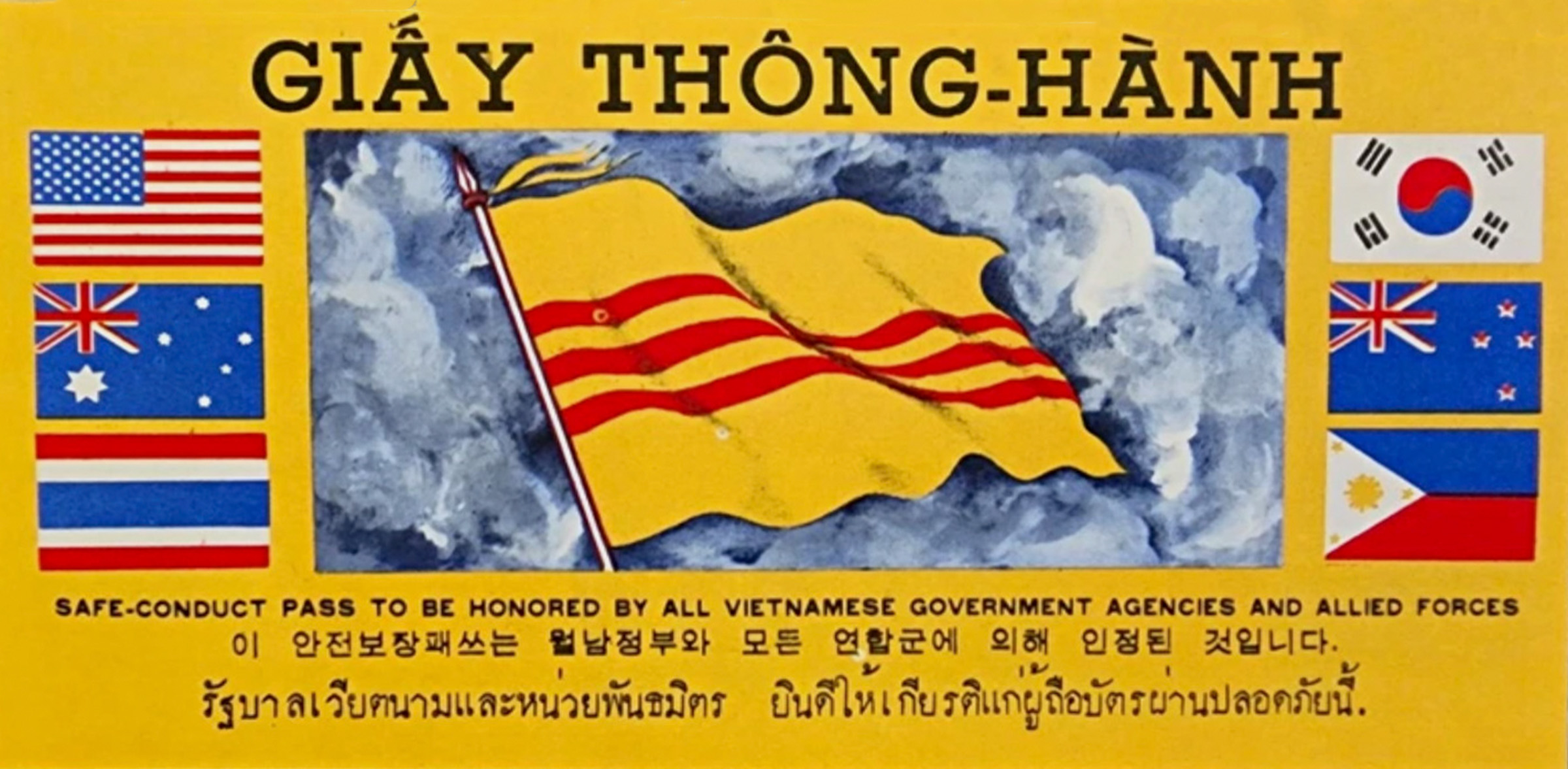
It’s like a landslide had come through and just stripped the surface of the earth, and all the trees are dead and laying on the ground, so we’re right on a forest line, right at the edge of one of these Rome plow areas. And the company commander said, “Let’s set down for the night.” You know, thought we were safe and everything, because we’re in a, not in a platoon-sized compound at night, we’re in a company. There’s 80 of us. Nobody’s going to fuck with 80 people. And we had these leaflets that the government was dropping called Chieu Hoi leaflets. So, if an enemy soldier found one, they could give it to an American soldier, and the American soldier would take them prisoner. It’s like, give up, and we will take care of you. Get up next morning, everything seems cool and fine. All of a sudden, we start realizing enemy soldiers had slipped in on us that night and leafletted us with their Chieu Hoi leaflets. We are not your enemy. Your government is your enemy. Blah blah blah. All this communist rhetoric about giving up and quitting the war, and they were everywhere, and they had snuck in while we were sleeping. That was kind of freaky.
Bill Short 15:23
We were back in our NDP, night defensive positions, which is relatively safe, although you’re always under the risk of ground attack. Happened to be on Easter, and our mess sergeant had gone to Saigon, and had found a turkey, and had a bunch of shrimps, and he was fixing this Easter dinner. All of a sudden, the company commander sent his courier over and told me, “Saddle up, we’re going out. There’s some LRRPs, long-range recon, that have been ambushed and they’re pinned down, and we got to go get them out.” And as I was getting on a chopper, there are some LRRPs getting off the chopper, and I said, “How bad is it out there?” And the guy just held up his M16, and the whole back half of his M16 had been shattered.
Bill Short 16:16
So, we flew into what’s called a hot LZ, meaning that it’s under enemy fire. And when you come in, they don’t stop; they kind of glide in. You’re about six feet off the ground. You have to bail out with this 65 pounds of equipment into whatever’s down there. It has to be in an open field, and you don’t know if there’s punji stakes or Claymore mines, and you don’t know what you’re jumping into. Then we jumped in. We started receiving fire from the forest line that we were going to be going into. So, we fought our way into the forest line, and realized that we were in deep shit because we were engaging a large enemy force, and that we were essentially surrounded. And we worked our way over to the B-52 crater; that was this huge crater that was about 25 feet across and 10 feet deep. So the company commander was in the bottom of the crater, and the rest of the company was ringed around the crater. We were hunkered down. Every time we tried to move, we’d get horrendous fire. So, we got stuck. We were waiting for nightfall to come, and they were going to try to move out at night.
Bill Short 17:40
F4 phantoms were called in, and they napalmed an area near us, and so we get the order right about sunset that we’re going to move out and try to get out of there. Everybody’s going out to get their Claymores, and so I started to go out to get mine. I saw movement out in front, and so I fired my Claymore, and we opened up. Normally, we’d go out and check for body count, but we couldn’t do it because there was so much enemy fire around. So everything got kind of quiet again, and we slowly filed out. My squad was the last one to go out. I think the gunship broke up the surrounding enemy soldiers that we had and gave us an opening to get out.
Bill Short 18:26
And then the next morning, as we were walking, we walked through the area that had been napalmed. First time I’d ever seen a napalm area, and it was still kind of smoking, and you could smell it. And there’s these globular drips of charcoal hanging on the trees because it’s a jelly that burns. All the trees were like burnt matchsticks, and it was just most surreal thing I’d seen.
Music 18:57
Bill Short 19:11
I was squad leader. My squad was walking point, and as we were walking, I heard a clink like a something like kind of like that, and this gives you an idea of how hypersensitive you are to sounds and everything. I immediately saw this object in my brain, and it was an American canteen. We carried rubber canteens, so you cut down on the amount of noise you made. But the VC used anything they could get, and they used a lot of old American equipment, and they used American canteens, the old metal ones from World War II that I used in basic training. And that clink was the screw-off lid that was attached by a chain falling and hitting the side of the canteen, making a clink. And I immediately recognized it. I called back to the company. I said, “Halt the company. I think we have movement on our right flank.” And the company commander said, “Take a small group and go out and investigate.
Bill Short 20:18
So, I took my RTO, my radio telephone operator, and two other guys. We came to this kind of little clearing area, and we saw a hole, and I realized it was a bunker. And I called back to the company commander, and I said we have a bunker, and I want to throw a grenade. And he said, ” Negative, you can’t throw the grenade. We’re going to try to be as quiet while we’re moving through this area as possible.” He said, “Do further inspection.” So, about that time, my RTO said, “Hey, Sarge, there’s a toothbrush here.” And he said, “Holy shit, the toothbrush is wet,” meaning somebody had just used it. So, about that time that he said, “This toothbrush is wet,” this guy popped up out of the hole, and he was holding an M16 instead of an AK-47, and he fired point-blank at all of us on full automatic. And the minute he popped up, somebody yelled gook or screamed, and we all hit the deck. And the guy missed every single one of us. He was probably as scared shitless as we were, and he fired too high. And then when he did that, then we fragged the hole, and we called in tunnel rats, and they went through, and they found a cache of weapons and ammunition and two tons of rice, and that was a big find.
Bill Short 21:47
Another one that happened is we were humping all day, and we stopped for a lunch break, and again, my RTO Barney decided he was going to put his Claymore out. I said, “We’re only going to be here for 15 minutes eating.” He said, “I don’t know, Sarge. I have this bad feeling. I just want to put my Claymore out.” We’re sitting there, about ready to eat, and all of a sudden, we get fired on, and it’s coming directly from the area where he put his Claymore. So he blew the Claymore. We returned fire, got into this little firefight, and we went out to check the bodies. It was an older guy and a younger guy. Before this, when we had body counts, everybody said, “Oh, let’s go check out the bodies,” and you know, and I said, “No, I don’t want to look.” I guess I was in denial. I didn’t want to really understand what I was doing, but this time it was right directly in front of me. First thing I noticed when I walked over the bodies was this guy’s thumb was ripped off, and his bone was showing. And I had to look at it twice because I thought it was glowing, because it was so pure white. I just had never seen anything like that, and it looked like it was an ash on fire. And then second thing was how heavy the body looked. The body looked like it was glued to the ground.
Bill Short 23:12
And then so this other sergeant comes over, he says, “Let’s booby trap them.” So, we pulled out grenades. There’s two pins on a grenade. The one is the ring that you always see the guys pulling with their teeth, which nobody ever does because it’ll break your teeth. But there’s a ring. That’s the first pin. Then there’s a lever on the side that you hold, and when you release that lever, that actually ignites the grenade, and then you have four to six seconds to throw the grenade before it goes off. And then when we roll the body over right here where your rib cage is, where it curves down, we put the lever and the grenade under there and roll the body back over top of it. So, the grenade was armed. So, we booby-trapped both bodies, and that’s the first time I looked at the bodies up close, and the first time I ever handled a dead person. We set up that night. I heard the grenade go off, so somebody rolled the body over.
Bill Short 24:21
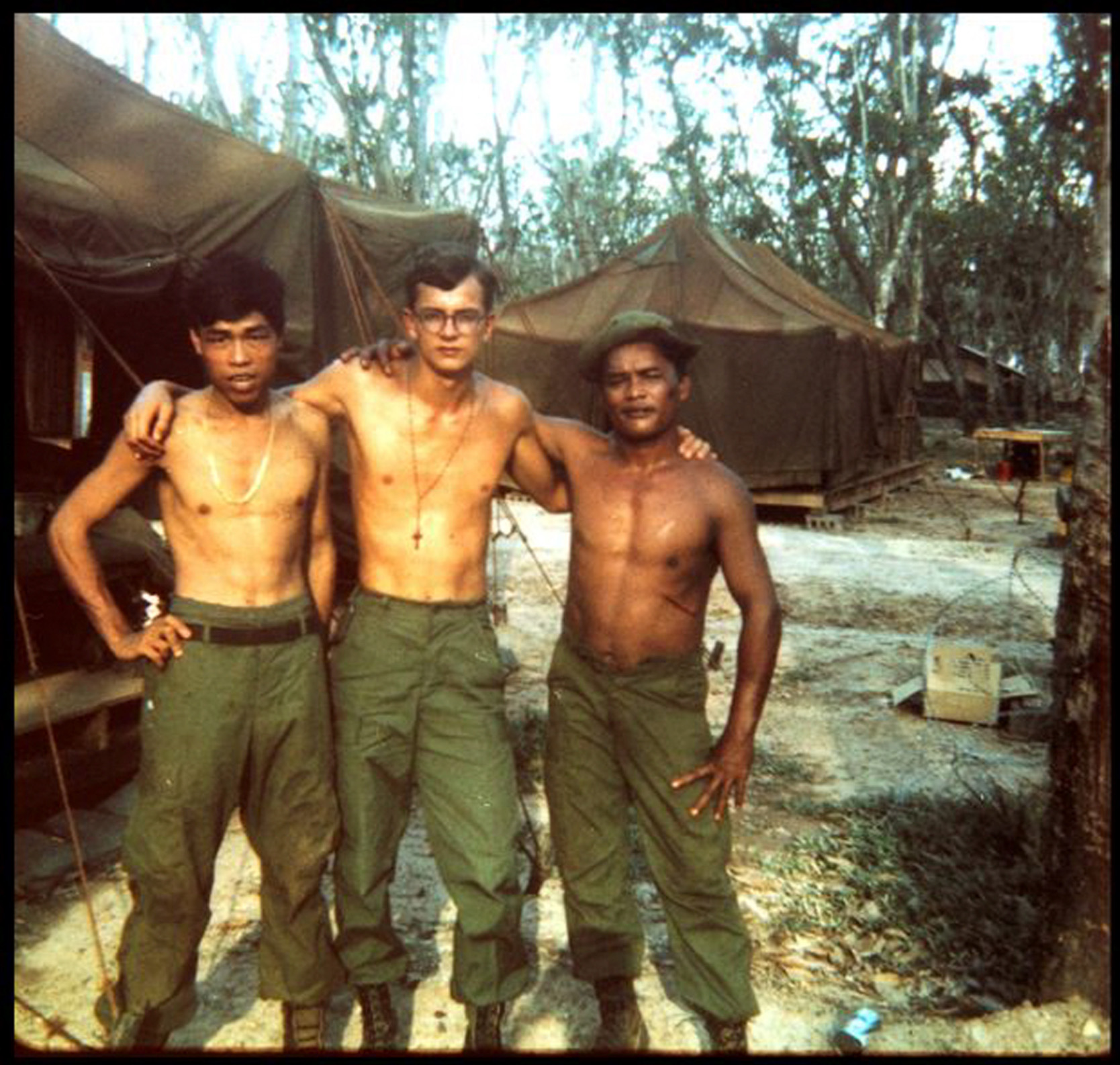
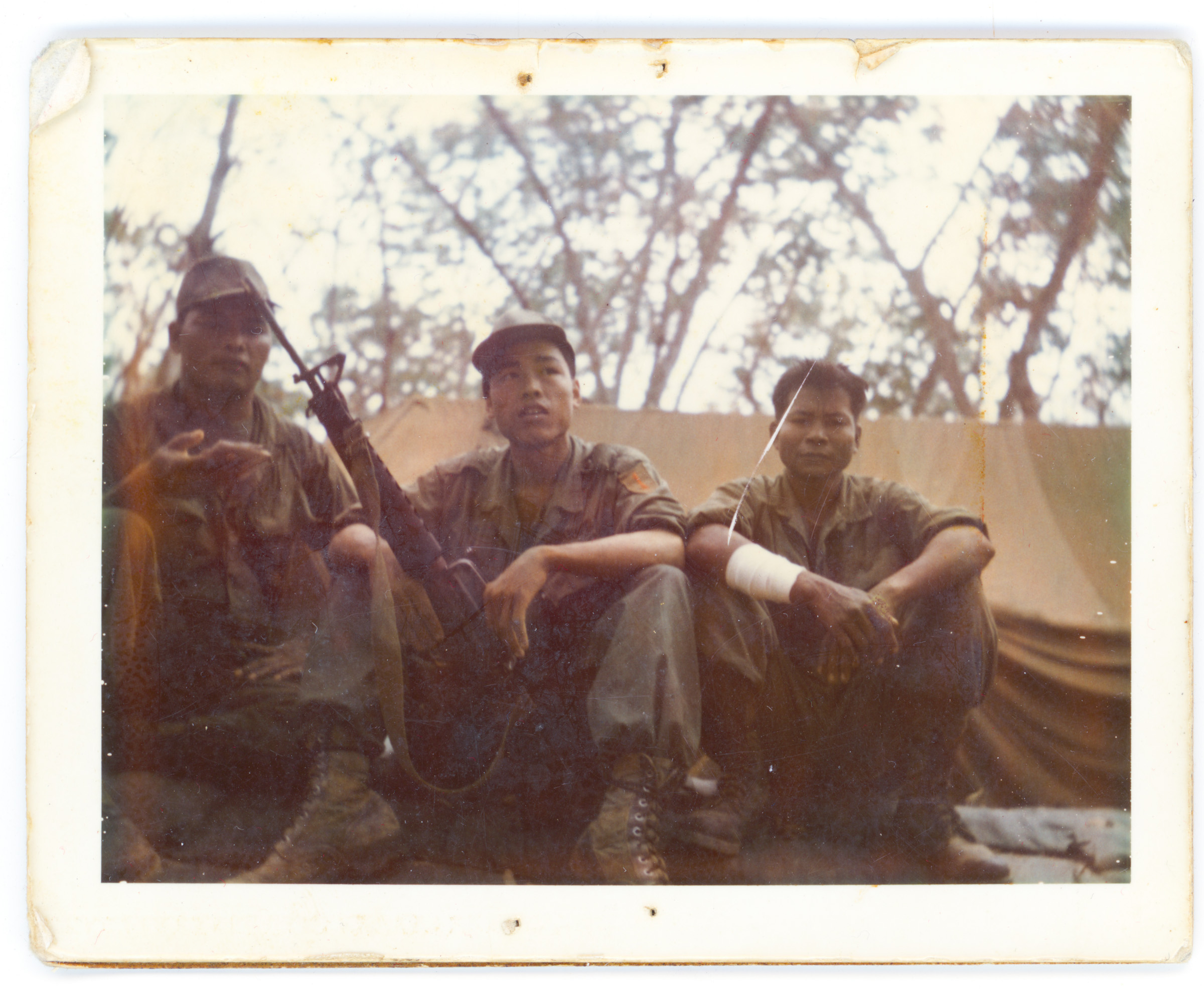
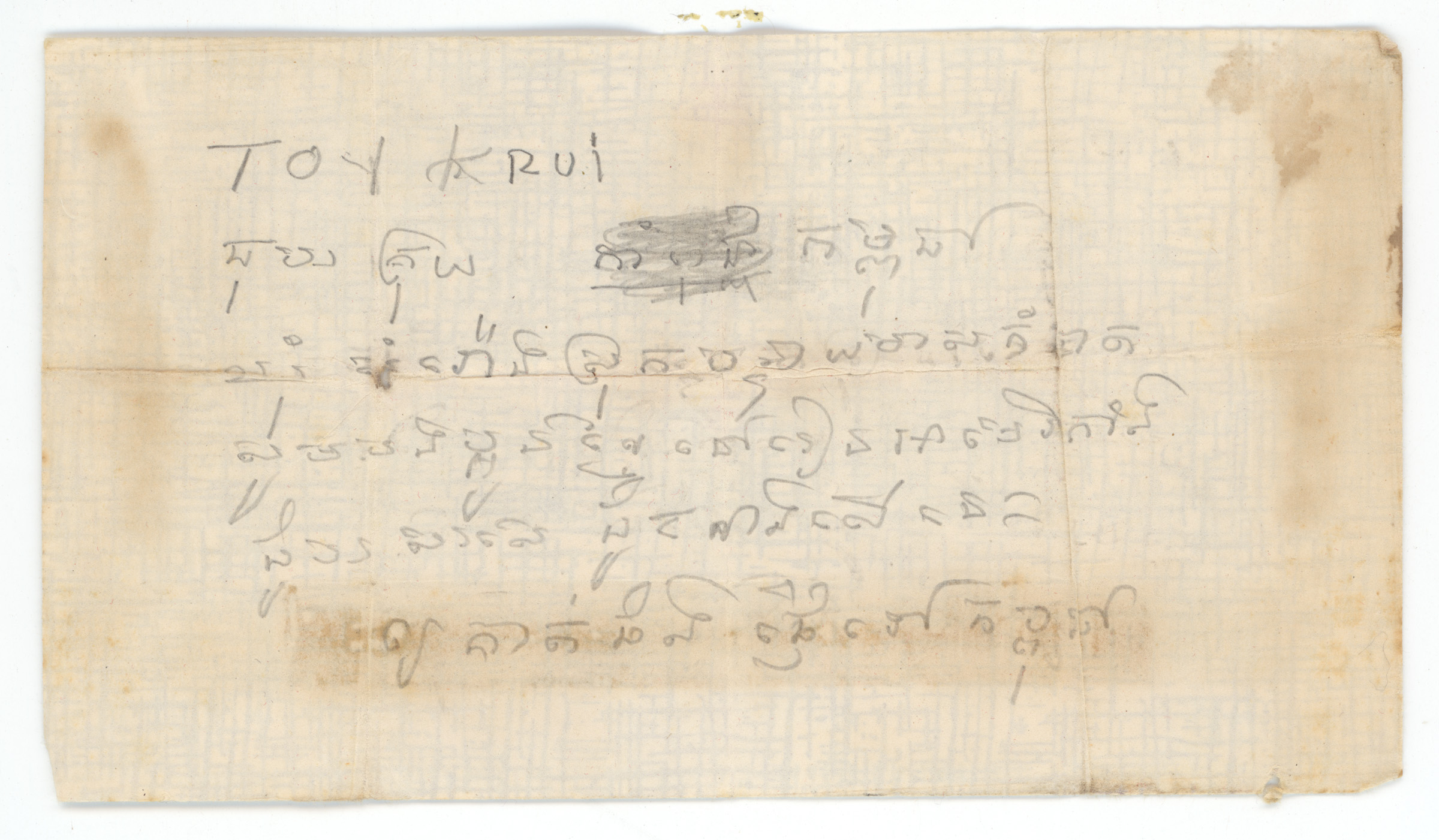
My company used Kit Carson Scouts when we were on operations. Kit Carson Scouts were kind of fashioned after the Old West, when the cavalry in the West used local Indigenous people as scouts for military operations. We were using these scouts to lead us through the jungles and the forest and basically interpret movement. If we saw a trail, they would look at it and try to figure how many people, how many Viet Cong they thought were had walked down that trail, how long ago they had done it by looking at broken branches and things like that. The three in my company were Chau Crui, Chau Un, and Chau Sat. [Note: Bill isn’t sure of the spelling of the Cambodian scouts’ names; this is the closest we could come to his memory of them.] They’re all from a small village and right near the Cambodian border, called Chau Duc. A village could be on the Vietnamese border but be filled with Cambodian people.
Bill Short 25:15
Chau Crui and Chau Un, I was pretty friendly with them, and you know we’d hang out a little bit. And one time we stole some LRRP rations, these dehydrated packets that the long-range recon would carry instead of the tin cans that we carried in sea rations. You just add hot water, rehydrates it, and you know makes a meal. So, Chau Crui wanted to get these so he could add some local herbs that he collected in the forest to make as close as we could a Cambodian dinner. It’s really, I think, the first time I ever tasted Southeast Asian food. You know, they didn’t speak very good English. We just shared the common experience of being in combat, kind of unspoken experience.
Bill Short 26:03
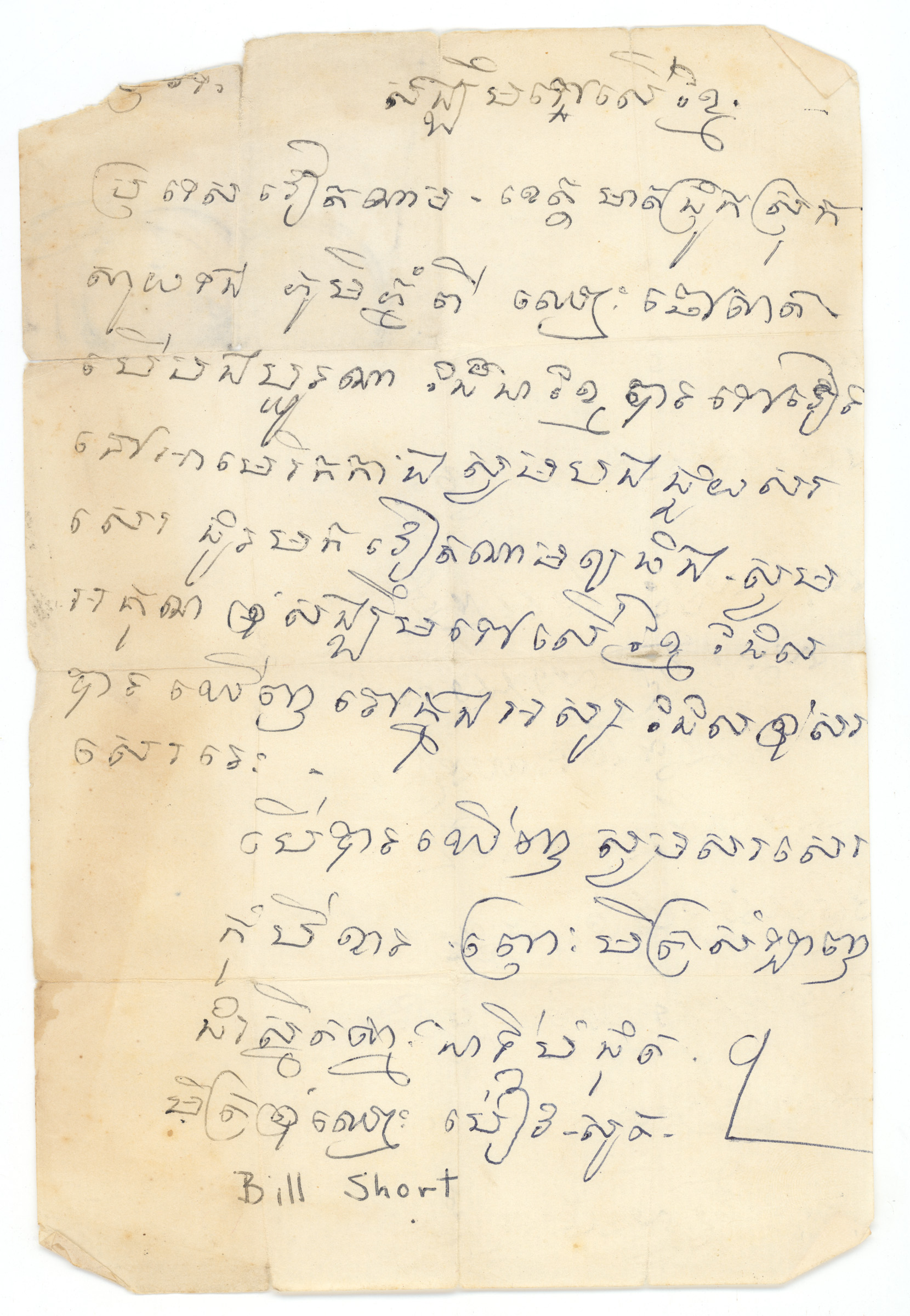
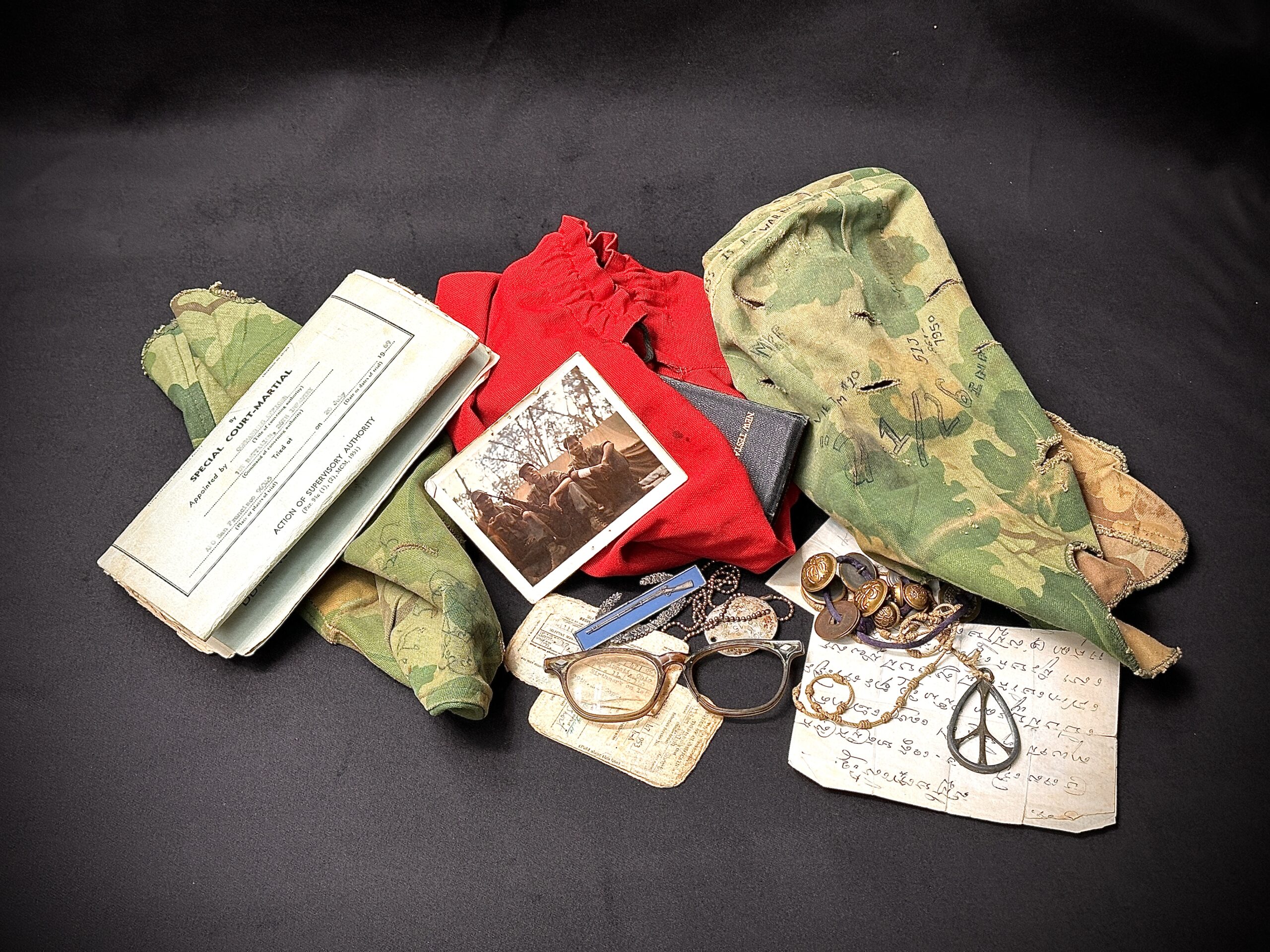
So, Crui used to wear this red bag right in the middle of his back, even on combat operations, which I thought was kind of odd. This red bag was a Red Cross bag that you get when you deploy to Vietnam, and it’s filled with personal items like shaving gear and toiletries and that sort of thing. And red was a very special color to their particular Buddhist sect. So, Crui had all of his religious items, like a little Buddha and some letters and some gold objects. Gold was very precious to him and he wore a gold chain around his neck. Every time he got paid, he’d buy a new piece of gold foil on after every operation and wrap it around his gold chain, just like he was, you know, marking time. So, this red bag went with him everywhere. Crui came to me when I was getting ready to leave to go to prison and gave me his red bag as a souvenir. I still have the bag. I’ve carried it with me since 1969.
Bill Short 27:14
My first company commander, Captain Moffitt, was somebody who I respected. He seemed like he knew what he was doing. Sometimes I think if he had continued being commander of the company, would I have done what I did? I’m not so sure I would have, out of respect for him. He was gung-ho. He’s kind of like a Robert Duvall character from Apocalypse [Apocalypse Now film]
Film 27:36
I love the smell of naplam in the morning.
Bill Short 27:39
Just wanted to be out in the action. He had been wounded, and he was in pain a lot, so they just told him you can’t go out anymore. You can’t command a company. So, he was ordered offline, and we got a new company commander who wasn’t anything like Captain Moffitt. After that, everything kind of went downhill. People ask, you know, what is the trigger? What’s the single thing that made you do what you did? There were lots of things, some of them little, some of them big.
Bill Short 28:07
One of the things that was one of the more horrific things was some guys came over and told me, “Hey, Sarge, do you know what so and so is doing? He’s got a head, and he’s got it in his steel pot, cleaning the skin off of it with diesel fuel. I said, “What?” He said, “Yeah, he’s got this head that he took off this body when we were out on our last operation.” And I thought, “Wow, that’s crazy! That’s beyond the pale.” So, I went to the company commander and reported it. Next thing I heard was that the company commander had gone over to this guy, had actually taken the skull away from the guy, but he didn’t reprimand him or didn’t do anything to him. He took the skull, sent it back to our battalion area, and had maybe the first sergeant or somebody back there take the skull and put it on a stake out in front of the company office. And it sat there for several days before they finally took it down. And the reason they took it down is all the Vietnamese women who came to clean our hooches and clean the company office refused to go in because of this skull. I had no idea that kind of shit was happening, at least not in my company.
Bill Short 29:26
And we also got a new platoon leader, guy who was fresh out of OCS. He was a complete idiot. He was dangerous. And when we got into a firefight once, we’re in a grove of trees, and all the trees are about two inches in diameter; they’re waving around in the wind. They’re really very flexible and flipping around and stuff. He wanted to throw a grenade, and we rarely ever threw grenades. You don’t want to throw a grenade in a thick forest because you could hit a tree. So, he threw one and hit a tree and bounced off the tree back toward us and just barely missed us and went off. Then he looked at me and said, “Short, you throw one,” and my whole platoon was looking at me, shaking their heads, going, “Don’t do it, Sarge! Don’t do it! Don’t do it!” I just looked at him and said, “I can’t do it. This is not a good place to be throwing a raid. We’re in thick trees. I’m not going to do it.” So, he was pissed.
Bill Short 30:26
Then we are on an operation. We’re walking. We’re walking. We’re walking. I say, “I think we’re lost.” He said, “No, I know where we’re going.” I said, “I don’t think we’re going to where we’re supposed to be going. This doesn’t look like we’re in the right area.” He said, “I know what I’m doing. I’m the commander here. We’re going this way.” All of a sudden, we hear, boom. We’re being fired on by American artillery. He walked us into an enemy fire zone. So, this was an area that was all grown up with little trees, but had originally been a rice paddy, and rice paddies have berms built around them when they flood the fields. And we get down inside these berms; they’re eroded, but they’re about foot high, so it’s better than nothing.
31:19
So, the whole platoon is down there, laying as flat as we can. I’m hearing guys crying, calling for their mom. I mean, we’re under artillery fire for what seemed like the longest time. Might have been 20 minutes, but it seemed like forever. And we could hear the artillery go off. And as the shell would go over and hit, we were counting the seconds. And the time from what got fired to the time it hit kept getting shorter, meaning that was coming closer. They were walking it in toward us, and then trees started getting cut down around us. Shrapnel started flying over. So, we had to call back to the company commander. He had to call battalion. Battalion had to call brigade. Brigade had to call division. Division had to call Army. Army had to figure out who it was. Then it had to go to division, battalion, brigade, company, to get the firing stopped. So, it took a while. When the firing finally got stopped, we were all pissed beyond belief.
Bill Short 32:28
I was acting platoon sergeant at this point, so when we got back off that operation, Richard and I complained that we had to go back to the main base camp, which was Lai Khe, for some medical reasons. He was my first squad leader, so we hopped a chopper and went back to the main base camp, and we heard about this group that was part of the U.S. Army’s Logistics Command, called G4, and G4 was responsible for the pacification program that was happening in Vietnam. We were a little naive; we didn’t really understand exactly what it was. It was basically a propaganda tool used by the United States government. Like they would go into a village and offer medical supplies and medical assistance, and then they would withhold that medical assistance and say that the village could get more if they would align themselves with the United States and the Southern government, and not with the Viet Cong, or if they would rat out neighbors of theirs who were part of the guerrilla movement, and we thought, well, that’s better than being out in the field and just running around shooting people.
Bill Short 33:42
Richard happened to have graduated from the University of Michigan with a degree in animal husbandry, which is basically the science of breeding animals. So very naively, we thought, you know, we should be helping people in villages learn how to breed goats, you know, as if the Vietnamese hadn’t been breeding goats for thousands of years. We were just grasping for straws because we wanted out of the field. And most of us in the platoon thought that the war was wrong and that we were just on the wrong track in even prosecuting the war. So, we’d come back and complain about it, get drunk, smoke some pot, play cards, and bitch about it. And during one of these occasions when we were complaining, two guys in my squad, Hayford and Patton, one of the two of them said, “I want my leg broken so I can get offline.” I mean, we’ve been drinking all afternoon and playing cards, so we were pretty loaded. So, he leaned his leg up against the bunker, and the other guy jumped on his leg, trying to break it. And we were so drunk that every time he jumped, he fell over. So, we’re just laughing and giggling about how ridiculous it all is. So that shows you the level of absurdity that was going on.
Bill Short 35:05
So we went and talked to some junior officer there. He said, “Yeah, it’s great. You know, we’d love to have you guys working with us. We can always use new blood in our unit.” But the catch was that we had to get permission from our company commander to be transferred, and we knew that that was probably a stretch. So we went. back and put in a request to be transferred to this G4 unit, and of course we were denied. We were half of the command structure of our platoon, and I was second in command to the platoon. We go back to the base camp, and we explained to everybody else in the platoon what we were doing, and then we had kind of a powwow with all of us sitting down trying to figure out how many of us were going to refuse. One guy in particular who said, “I’m not going to do it because I’ll never forgive myself if I don’t survive this.” Even though he wasn’t gung-ho, he felt obligated to complete his service. Other guys had different reasons. Number one, they were worried that their families would disown them. The second reason was they would be going to prison, and that would mean that they would get a bad discharge, which meant that they would then have bad paper when they came back. They wouldn’t be able to find a job.
Bill Short 36:28
So, three of us, we went to lieutenant and said we talked it over with the rest of guys in the platoon. They’re okay with what we’re doing. We’re not going out on the next operation. He just started yelling and screaming at us, calling us cowards, and referred us to the company commander. We went to the company commander. The company commander immediately put us under arrest, and put us on a chopper, and sent us back to the base camp to be charged and processed for refusing orders. The first thing they did was split us up. We could support each other and encourage each other if we were together, but if they split us up, they could threaten heavy time. Like we were initially charged with a conspiracy to mutiny against the United States government. And I was charged with being the ringleader of the conspiracy because I was the senior NCO and I was the, I was kind of the spokesperson for the three of us. They told me I was most likely going to be sentenced to 20 to life. Of course, that freaks you out because 20 years is a long time to spend in a military prison. But I knew enough about the way the military operated that they threaten a lot, but they always back down. I thought maybe I was going to get three.
Bill Short 37:52
Because of protocol, they have to give you a competency test. They have to have you interview with a psychologist so that they can determine if you are sane or competent to understand what you’re doing. So I went to this so-called psychologist, who was a specialist fourth class. I outranked him by one rank, and he had an undergraduate degree in psychology. That was it. I said, “I don’t know what’s going to happen when I get back to the United States. If I’d be able to have a job or anything.” There’s a famous full-page ad that a bunch of prominent Americans had taken out in New York Times against the war, and he showed that to me and said, “I think you’ll be okay when you get back.” You’ll find your people, in essence. So, you know he was supportive in an unofficial way.
Bill Short 38:47
And then they also have to send you to a chaplain to counsel you. When I walked into his hooch, he was sitting behind this big green metal desk covered with all these captured enemy pistols and weapons, and he was sitting there cleaning this nine-millimeter Chinese pistol that was part of his collection. He said, “Your unit’s been in a lot of combat recently,” and I had actually been slated to have an R&R, but a senior NCO who was above rank from me, he bumped me. So, the chaplain said, “You know, I know you didn’t get your R&R.” He said, “Why don’t I get you a pass to Vung Tau? You know, you can go there and cool out and think things over and come back and we’ll talk about it.” And Vung Tau is kind of like the Sin City in Vietnam. It’s heavily infested with drugs and prostitutes. It’s a coastal city, so basically, he was telling me to, you know, go there, get high, get drunk, and get laid, and everything would be fine, right with the world. I’ll come back and go out and, you know, keep killing people. I actually thought for a minute I thought maybe I’ll take it, go have some fun, and then come back and get court-martialed, but I couldn’t bring myself to do it. I just wanted out. And so, he basically dismissed me, and then they brought me into our battalion office. That’s when they told me they were going to charge me
Bill Short 40:23
They also told me that Richard and Gary had decided to go back out on operations. I wasn’t shocked about it. I didn’t feel abandoned or anything, and I knew that they had been threatened with heavy charges like I had been, and they probably figured the safest thing for them, at least psychologically, would be to go back on operations. At some point later on, I learned that Richard had gotten boils so bad that he was taken offline. Boils just ran rampant. If you got enough of them, you couldn’t carry your pack because it was just too painful. Gary, the sniper, got hit and was medevacked to Japan. And when you get medevacked to Japan, that’s because your wounds are pretty serious. And I think he survived his wounds, but I never really found out exactly what happened after that.
Bill Short 41:22
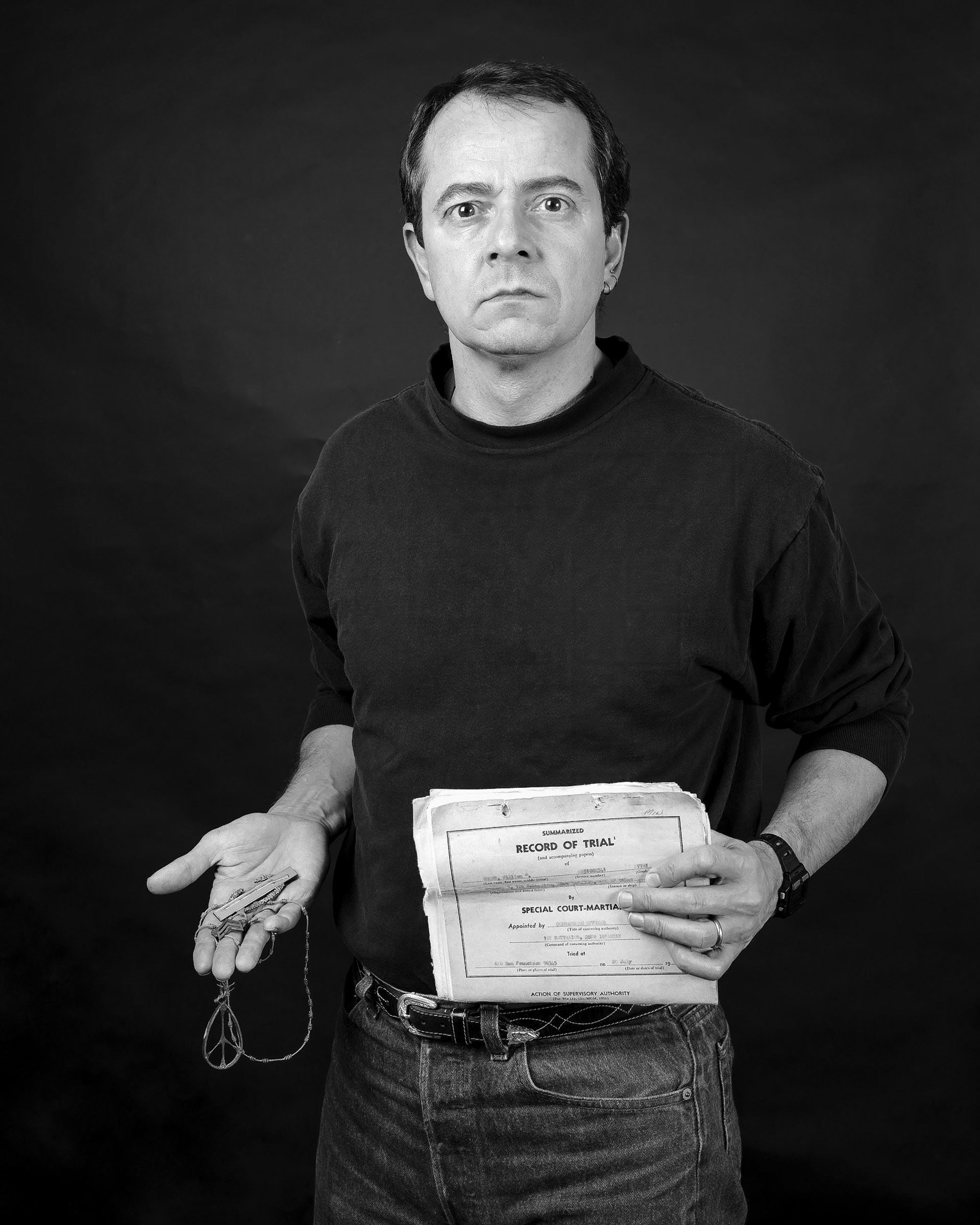
They couldn’t charge me for a conspiracy because there’s no longer conspiracy, so they charge me with refusing a direct order. So there’s three kinds of courts-martial. General is the big one, and that can carry up to a life sentence. The special carries a maximum of a six-month sentence, and a summary only gives you an Article 15, which is kind of a slap on the wrist, and you can get I think maximum of 30 days confinement. And I was getting the middle one, a special court martial. And in a military situation, you don’t have a jury of your peers; you have a panel of judges made up by career officers, they didn’t offer me a military lawyer. They offered me another officer from the battalion, who wasn’t a legal guy. He was just an officer, and I refused. I said, “I’ll defend myself.”
Bill Short 42:22
Since I was being charged with refusing a direct order, my defense was I had never been given a direct order to go into the field. That I had gone to my superior and told him that I wasn’t going to fight. During the course of the cross examin[ation], they asked me if you had been given the direct order, would you have refused it? And I said yes, but that’s kind of beside the point because I’d never been given the direct order. But they used that as the basis to convict me. They decided that jail time would straighten me up. They sentenced me to six months. They suspended five months, and then they sent me to LBJ, Long Binh Jail. So I basically got a 30-day sentence. And I think the Army’s thinking was is that I would go there and be so freaked out by being there for that 30 days that I would come back and agree to go back out in combat.
Willa Seidenberg 43:35
In our third and final episode of Bill’s story, we’ll hear how Bill survived the fearsome Long Binh Jail and take you along for a look at his post-Vietnam years.
Bill Short 43:49
He walked over, shook my hand. He said, “Did you do the right thing?” I said, “I think I did.” He said, “Okay.” That was it, and we never spoke about it again. Never.
Willa Seidenberg 44:27
This episode was written, edited, and produced by Willa Seidenberg with help from Polina Cherezova, who also did the sound design. Our associate producer is Dylan Purvis. Many, many thanks to the late Country Joe McDonald for permission to use his song as our theme music. Additional music in this episode is by Andrew Patinkin and Danny Seidenberg, and we also use some selections from the Free Music Archives, Lee Rosevear’s “The Past” and “What’s in the Barrel.” We thank the Kazan McClain Partners Foundation for their generous support. Our fiscal sponsor is the International Documentary Association. Thanks also to Denise Abrams, Bill Belmont, and Sam Short.