Episode 12: The Quiet Mutiny
In this episode, we take you to the battlefields of Vietnam, where many young soldiers faced a moral conflict while just trying to stay alive. This is the first part of our look at resistance on the battlefield. GIs, like George Silver and Roy Barrington, practiced “search and evade” tactics where they would avoid engaging with the enemy. And, the military had to confront the prevalence of drug use, fundamentally driven by a collapse of morale amongst troops. Warning: this episode has disturbing descriptions of combat.
Check out the show notes.
Guests/Subjects
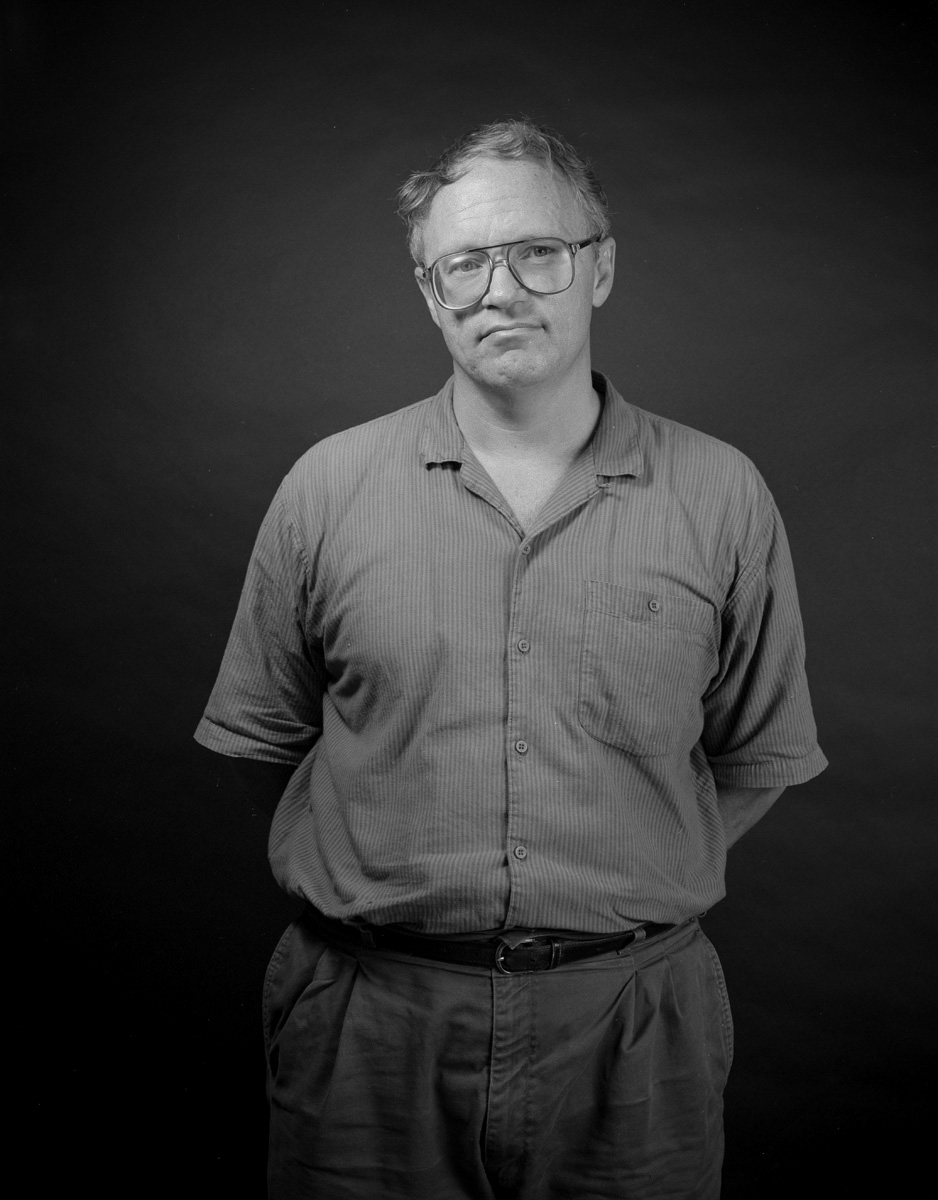
- George Silver: Enlisted Army 1967-73. Served w/a Long Range Reconnaissance Team in VN. Decided to “quit” the war after an orphanage and village befriended by his team were bombed by American forces. Received 100% disability for non-controllable chronic epilepsy, resulting from wounds sustained in VN and PTSD.
- Roy Barrington: Enlisted Army 1969-71. Infantry in Vietnam 1969-70. Made peace signs out of shaving cream on a landing zone in Cambodia where a battalion commander was to arrive. AWOL after Vietnam, court-martialed, reduced in rank from sergeant to private first class. Received General Discharge.
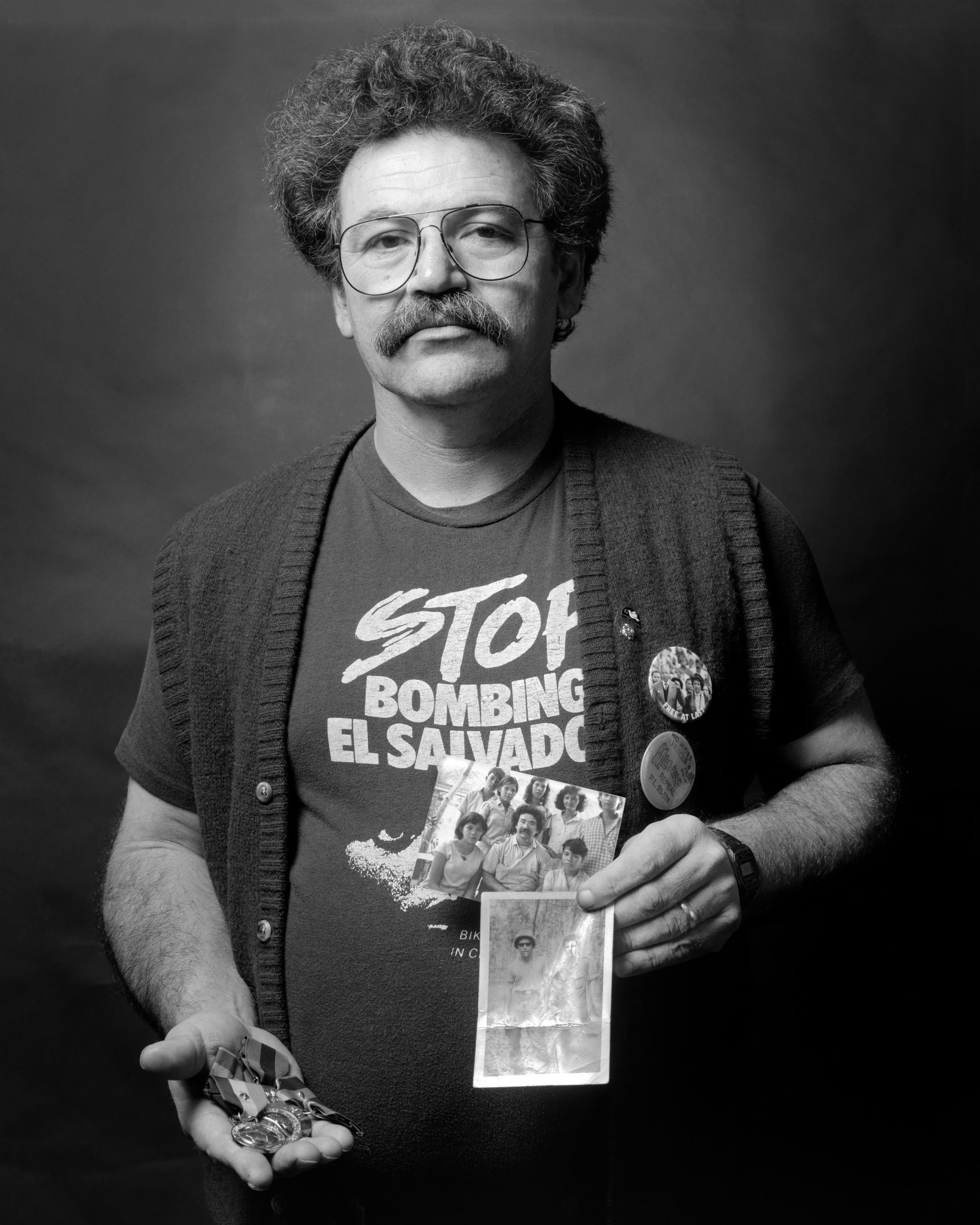
- Ruben Gomez: Drafted Army 1966-69. Drafted at age 26 with four kids. Served one year in Vietnam. AWOL twice and received two special courts-martial.
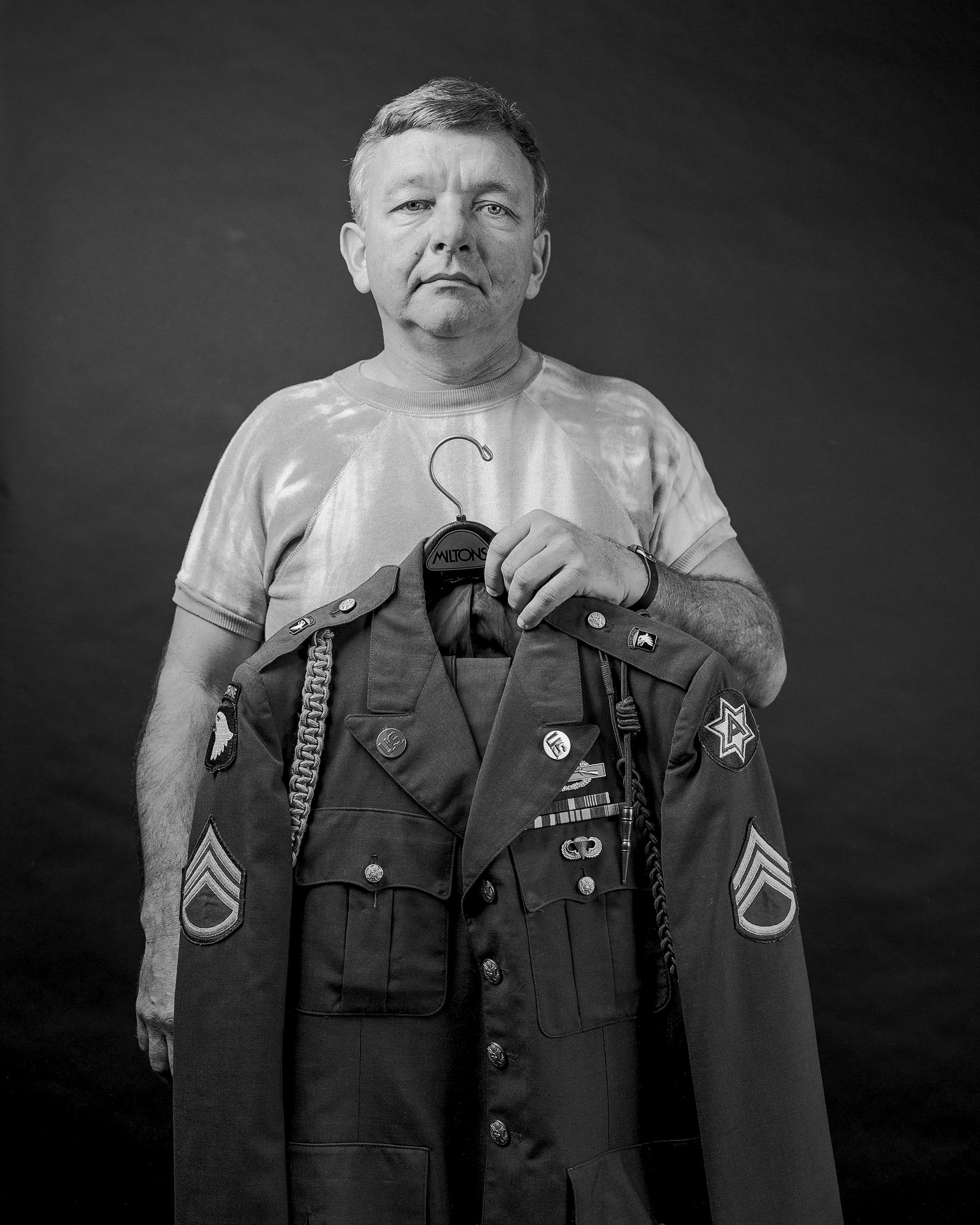
- Dennis Stout: Enlisted Army 1966-69. Served in VN with 101st Airborne. Recommended for two Bronze Stars, Silver Star, Distinguished Service Cross and Battlefield Commission to 2nd Lt. While in VN tried to report 14 war crimes. Immediately upon discharge went public.
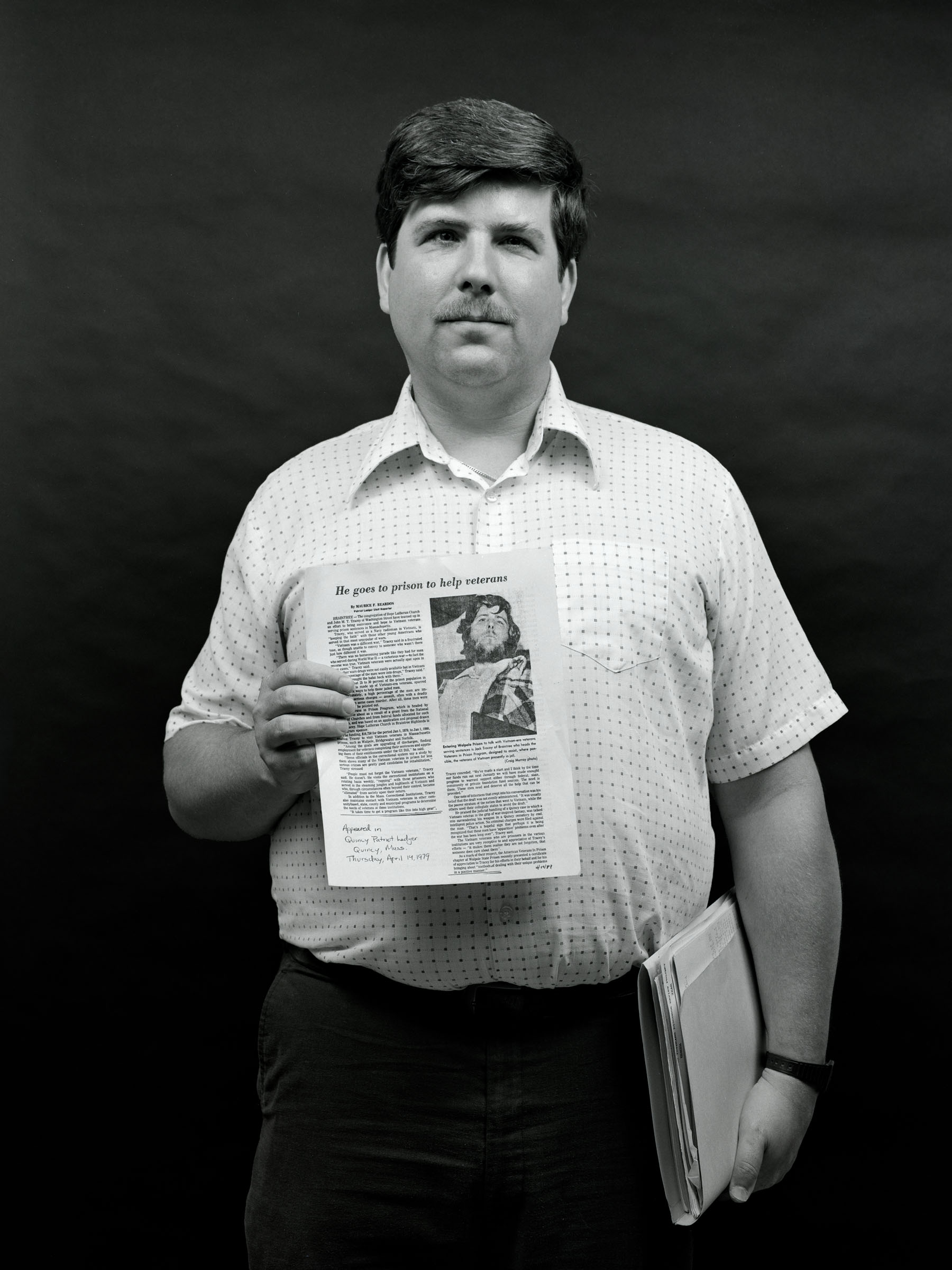
- Jack Tracey: Enlisted Navy 1969-72. Served as radio operator in VN. Became involved in VVAW after returning from VN while still on active duty. Court-martialed for being AWOL, spent 21st b’day in the brig.
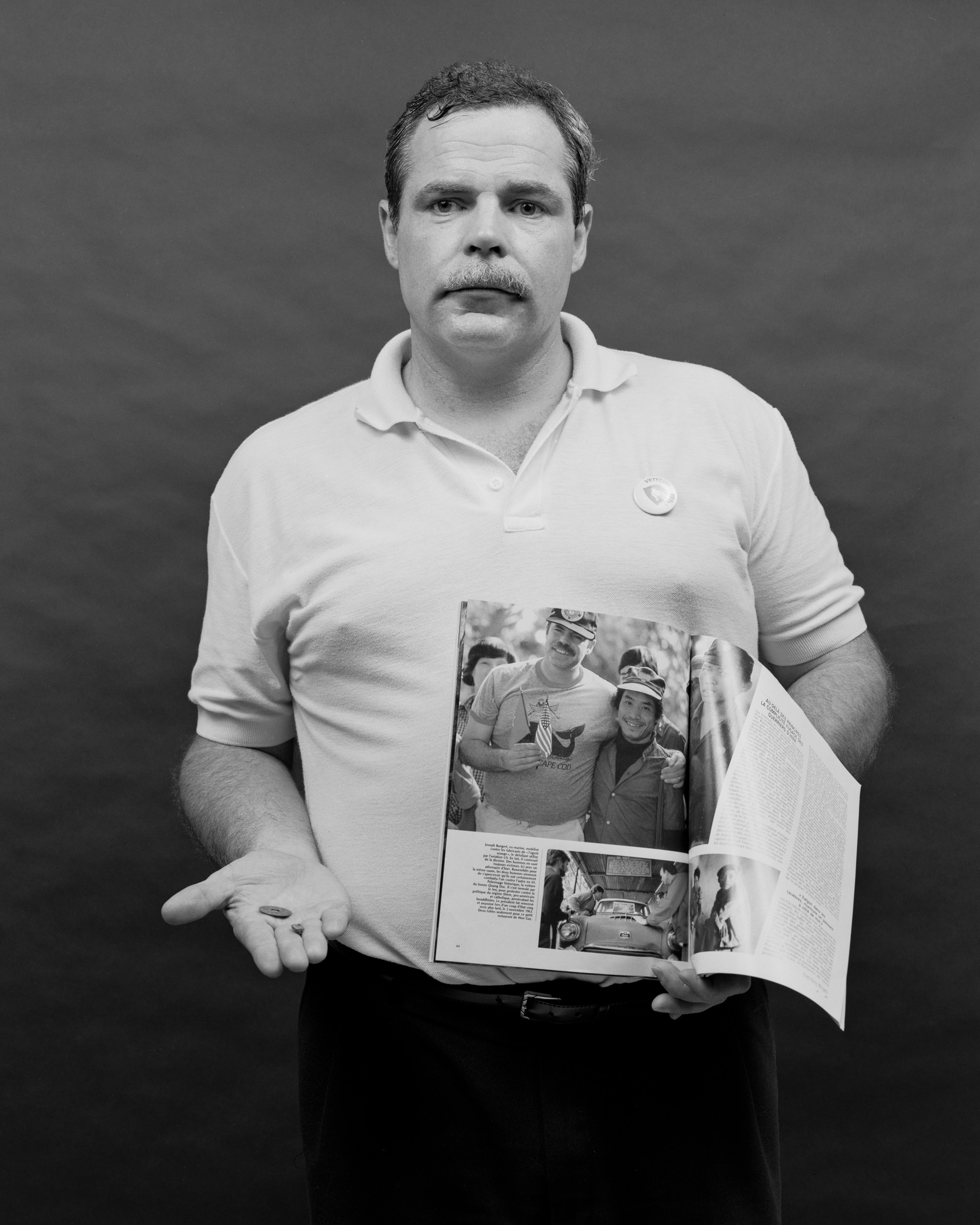
- Joe Bangert: Enlisted Marine Corps 1967-70. Served in Vietnam 1968. Formed anti-war group with other GIs in his unit. Involved in sabotage to undermine the war effort. Part of an onboard strike aboard the USS Bexar; upon entry to SF Harbor, draped a huge peace sign made from stolen bedsheets over the side of the ship.
- David Cortright: Drafted Army 1968-71. GI organizing at Ft. Hamilton, NY and Ft. Bliss, TX. One of a group of GIs who filed a federal court lawsuit against the Army, Cortright v. Resor, alleging that transfers, work assignments and changes in duty were an attempt to suppress First Amendment rights. Authored a book on GI resistance, Soldiers in Revolt.
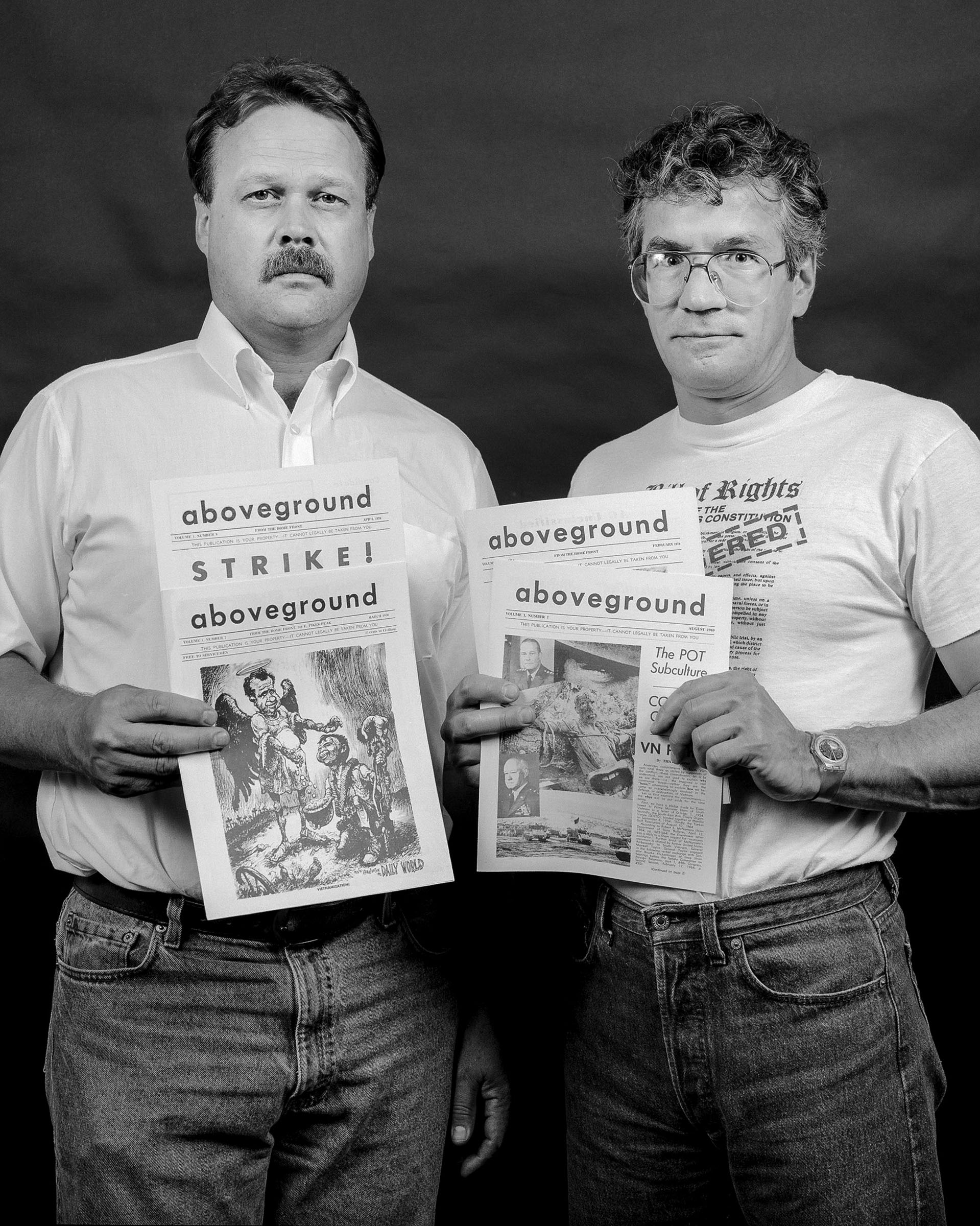
- Harry Haines: Drafted Army 1969-71. Active with aboveground, GI newspaper at Ft. Carson, CO. Engaged in passive resistance and general non-compliance with orders while serving in a convalescent center in Cam Ranh Bay, Vietnam.
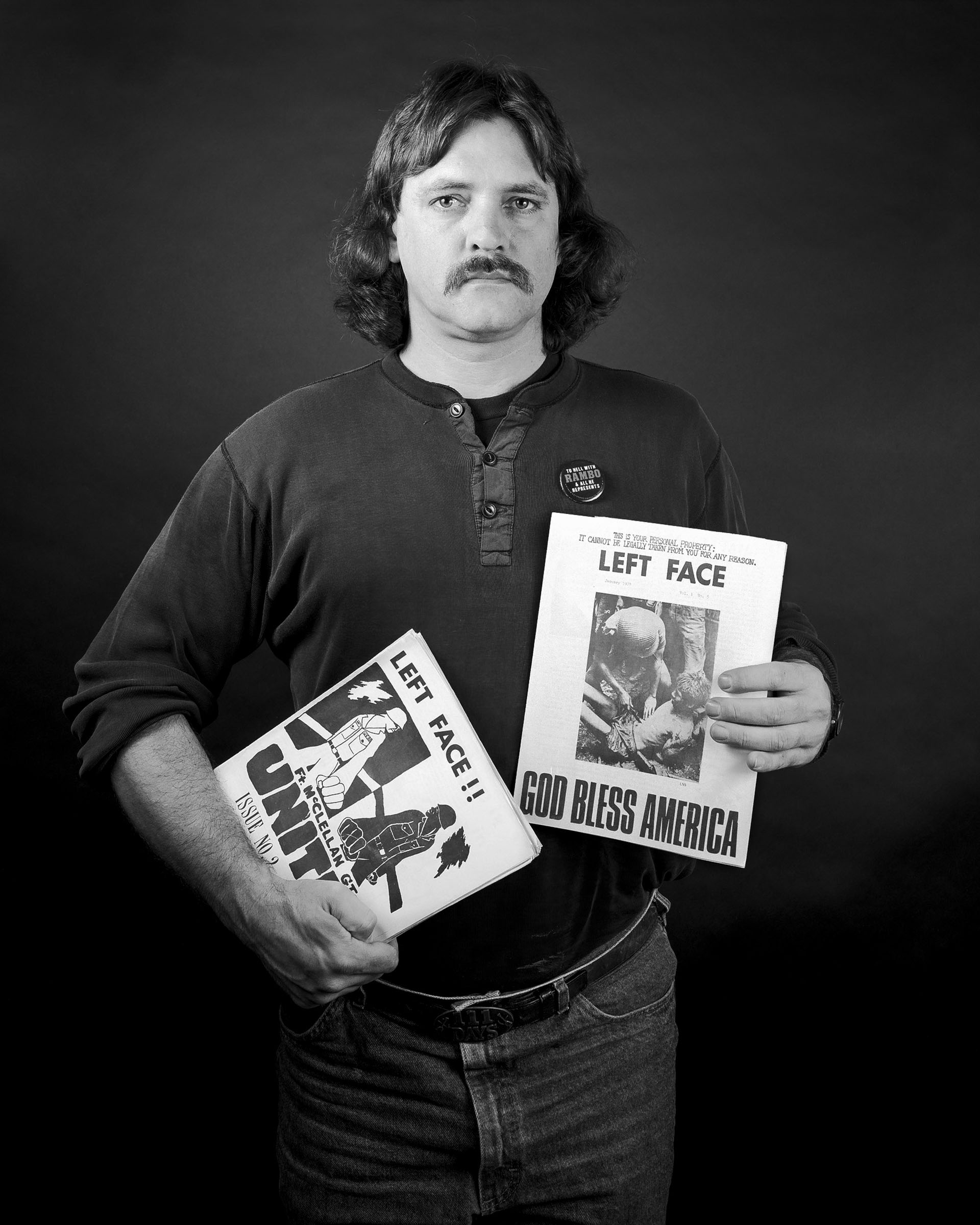
- Skip Delano: Enlisted Army 1967-70. Served one year in Vietnam. Co-founded Left Face in 1969, GI underground newspaper at Ft. McClellan, AL.
- Curt Stocker: Enlisted Army 1967-70. Served with Psy OPs in VN. Co-published aboveground at Ft. Carson.
- Dave Hettick: Enlisted Army 1969. After serving in Vietnam, worked on Bragg Briefs, GI newspaper at Ft. Bragg, NC.
- Background and extra material:
- 60 Minutes episode used for a clip of arriving in Bien Hoa Airport: “Vietnam: Coming and Going” | 60 Minutes Archive
- In 1970, 60 Minutes flew to Vietnam with Americans on their way to serve in the war, returning three days later with a group heading home. Mike Wallace listened as they shared their mixed feelings about the war. This week marks 50 years since the U.S. withdrew from Vietnam.
- Braniff Airways Photo and story of flying to Saigon
- Braniff Airways Form to fill out to help Veterans who were exposed to Agent Orange in Vietnam:
- Winter Soldier Investigation – Wikipedia
- Why was the Viet Cong called Charlie?
- Read more about Nixon’s Cambodian Campaign – Wikipedia
- The nickname “Rock Island East” exists because the Rock Island Arsenal in Illinois the largest government run arsenal in the USA: Rock Island, Illinois – Wikipedia
- C-ration – Wikipedia
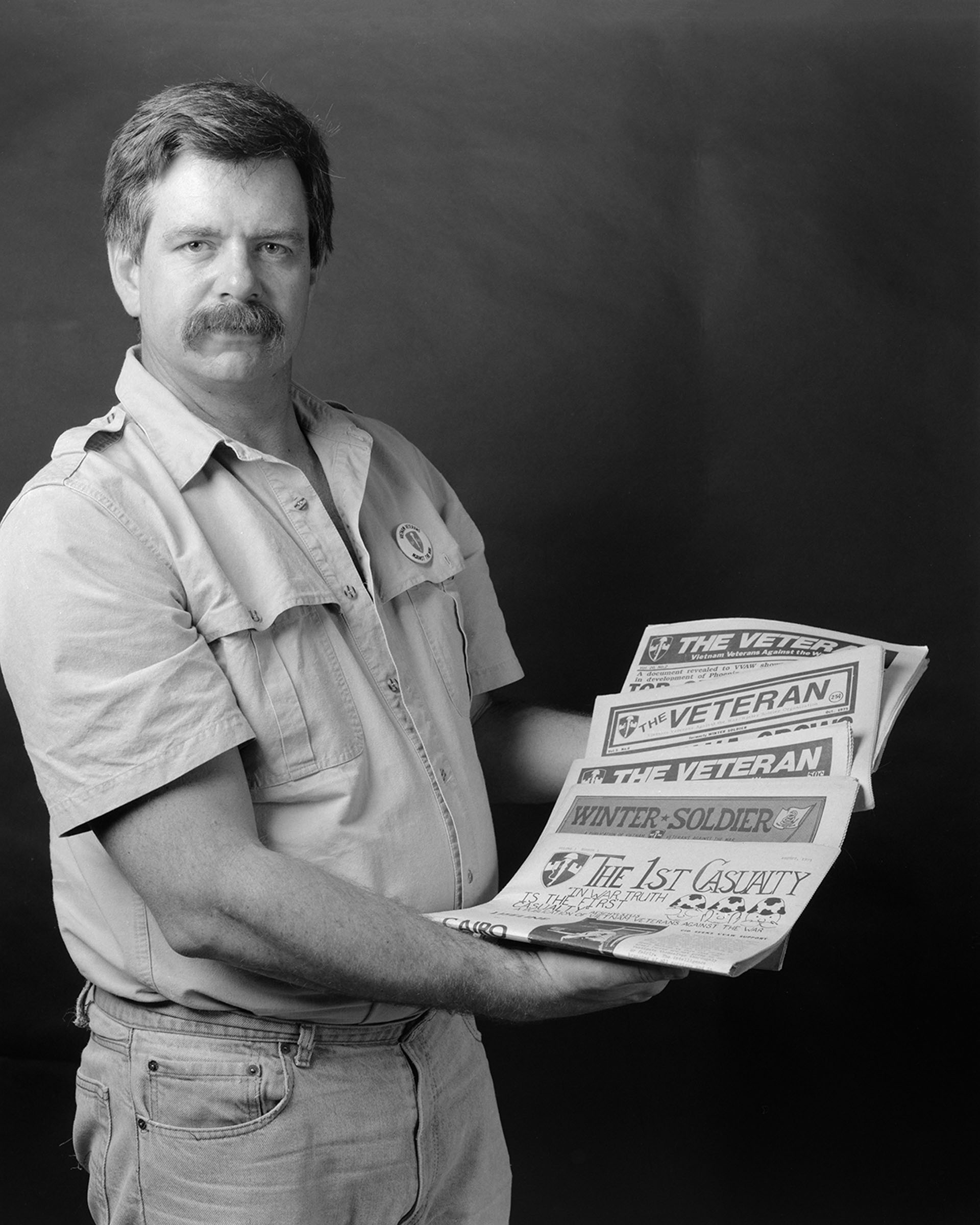
- Vietnam Veterans Against the War (Organization Webpage)
- Soldiers in Revolt: GI Resistance During the Vietnam War – Wikipedia
- Cam Ranh Bay – Wikipedia
- Profile of Mary Ann Vecchio from the Kent State Photo – Washington Post
- Preliminary Findings from the 1971 DoD Survey of Drug Use
- Thomas J. Dodd – Wikipedia
- Mai Lai Massacre
- My Lai Massacre – Wikipedia
- March 16, 1968: Mỹ Lai Massacre and Hugh Thompson – Zinn Education Project
- Pulitzer Winning Article on My Lai
- Ron Ridenhour telling the story of becoming the whistleblower that revealed the My Lai Massacre: Ridenhour Prizes | History
- Information on the journalist who first broke the My Lai Massacre story
- Songs:
- “I-Feel-Like-I’m-Fixin’-to-Die Rag” – Country Joe McDonald – 1967
- Additional music arrangement by Andrew Patinkin
- Other music arrangements are by Danny Seidenberg
- Listen to A Matter of Conscience:
- Apple Podcasts
- Spotify
- Buzzsprout
- Follow A Matter of Conscience:
- Website:https://amatterofconscience.com/
- Tiktok
- Credits:
- Producers and Hosts: Willa Seidenberg, Bill Short and Polina Cherezova
- Associate Producers: Polina Cherezova, Dylan Purvis
- Interns: Lizzy Liautaud and Dylan Ralls
- Sound Design: Victor Figueroa
- Music Arrangements:Andrew Patinkin, Danny Seidenberg
- Fiscal Sponsor: The International Documentary Association
- Special thanks to the Kazan McCLain Partners Foundation. Thanks also to Denise Abrams, Bill Belmont, Sam Short, and David Zeiger. And a big thank you to the veterans who shared their stories with us.

Episode 12
Willa Seidenberg 00:07
Hello and welcome to A Matter of Conscience: GI Resistance During the Vietnam War. I’m Willa Seidenberg.
William Short 00:42
And I’m Bill Short. In this episode, we take you to the battlefields of Vietnam, where many young soldiers faced a moral conflict while just trying to stay alive.
George Silver 00:59
We became aware that war is not two armies fighting each other. It’s the goddamn poor ass civilians who get caught in the middle.
William Short 01:08
Listeners, please take note: this episode has content that could be distressing to some people, including descriptions of combat and violence, and as always, you’ll hear a lot of rough language.
Willa Seidenberg 01:27
We want to take a moment to acknowledge the passing of Country Joe McDonald, who so generously gave us permission to use Fixin’ to Die Rag in our podcast.
William Short 01:38
Joe and his band, The Fish, meant a lot to me and other GIs. His music spoke directly to our feelings about the war. For his entire life, he used his music to support issues of social justice. He was 84 years old when he died. Thanks, Joe and rest in peace.
Archival Sound 02:03
The loading of troops is systematic and fast.
Willa Seidenberg 02:15
In World War Two, most soldiers were transported to Europe or the Pacific on ships.
Archival Sound 02:21
Men come aboard at the rate of 1200 an hour.
Willa Seidenberg 02:24
The journey could take anywhere from 10 to 45 days. But during the Vietnam War, most troops destined for service overseas went by air. The main departure points were in California and Washington State, one day you were in the United States, and the next in Vietnam.
Archival Sound 02:46
As the plane flew into the darkness at Bien Hoa Airport, just getting through that year ahead must have been on the mind of every man aboard.
Willa Seidenberg 02:55
There wasn’t much time for combat bound GIs to adjust to the reality of leaving the safety of their homes to “humping the boonies.” That’s what the soldiers called it when they patrolled dense jungle in Vietnam.
Archival Sound 03:09
William Short 03:14
Arriving in Vietnam to go to war was a surreal experience.
Archival Sound 03:19
William Short 03:22
I flew to Vietnam with Braniff Air, a civilian airline contracted by the U.S. government to ferry troops to Saigon. This was the psychedelic 60s, and Braniff planes were painted dayglow colors like yellow, orange, green or red. I arrived at Bien Hoa Air Base at sunrise in a bright orange plane. As the pilot prepared for landing, I couldn’t see out the window, but the pilot said we were getting some small arms fire from the ground as we exited the plane. The heat and humidity hit me like a wet wool blanket thrown over my head. It was suffocating. My first whiff of Vietnam were of diesel fumes and rotting vegetation. That smell still lives with me today. Other veterans we interviewed who went to Vietnam had similar memories.
Ruben Gomez 04:14
When we were coming into the airspace of Vietnam we dropped, you know, they kind of go …very fast. Soon as they opened that door and I was sitting there leaning a little forward with my hands on both sides, and all of a sudden the heat hit me. Wow, boy. It’s like an oven out there. And that smell, you know, that chemicals of gasoline, diesel. Got the door, and it was like moonlight night. Heard bombs dropping,
Dennis Stout 04:41
And I was sitting on this bus, and we started receiving gunfire, and I didn’t understand what was going on. And all of these big fat sergeants hit the floor before I could even get on the floor.
Dave Hettick 04:52
Getting off the airplane after like, 26 hours on the plane or something, sitting in the waiting room, waiting to go out to the buses and looking down, and seeing this huge cockroach about like this. You know, I’d never seen a cockroach that size before.
Jack Tracey 05:04
Coming into Vietnam, I think the first thing that I noticed was the neon lights, this really bright lit up city. It almost looked like Las Vegas.
Joe Bangert 05:13
On the way to my duty station, I saw GIs throwing sea ration cans out and hit kids in the forehead, knocking them out. And the kids were eating out of garbage pits. And as the Americans came past with a few showers of food cans going out, the Vietnamese kids gave them the finger. And I remember some of the people in the back of the truck picking up their M-16s and just shooting about three or four of them. And it was just sort of like, you know, a squirrel’s been killed. And that was my first day in Vietnam.
William Short 05:48
In 1971, Joe Bangert spoke about the atrocities he witnessed when he testified at the Winter Soldier Investigations conducted by Vietnam Veterans Against the War. We also heard from Ruben Gomez, Dennis Stout, Dave Hettick, and Jack Tracey,
Archival Sound 06:05
Good Morning Vietnam.
Willa Seidenberg 06:11
This is the first part of our look at resistance on the battlefield, and this episode hits close to home for us. Bill was one of those young men who didn’t accept the reason he was sent across the world to fight against the Vietnamese people.
Archival Sound 06:28
Was there a rebellion here today? You might call it that. Back in the world, they call it rebellion, here, it’s just a downright refusal.
Willa Seidenberg 06:35
Most of the veterans you’ll hear in this episode served in combat or in positions of danger, although really anyone could be at risk if they were “in country.” That’s how soldiers referred to being in Vietnam. Each one of these soldiers had one or a series of breaking points that led to their resistance.
William Short 06:59
When I talk about, you know, when I refuse to go on combat operations, people will say, Well, what was the trigger? What happened? You know, and I can think of maybe some specific things that did happen, but it wasn’t one, it was the whole deal. It was the whole trip. It was all the little stops along the way, all the little things that happened that kept collecting in my mind and building and building and building to the point where I just couldn’t take part in combat anymore. I’m surprised I made it through four months of combat.
Willa Seidenberg 07:36
For George Silver, the first trigger was the bombing of an orphanage he and his unit had befriended.
George Silver 07:44
When I got to Nam, we were LRRP, Long Range Reconnaissance company.
Archival Sound 07:49
Long Range Reconnaissance Patrols were a special breed, specially trained soldiers were now capable of performing reconnaissance, surveillance and target acquisition deep in hostile territory.
Willa Seidenberg 07:59
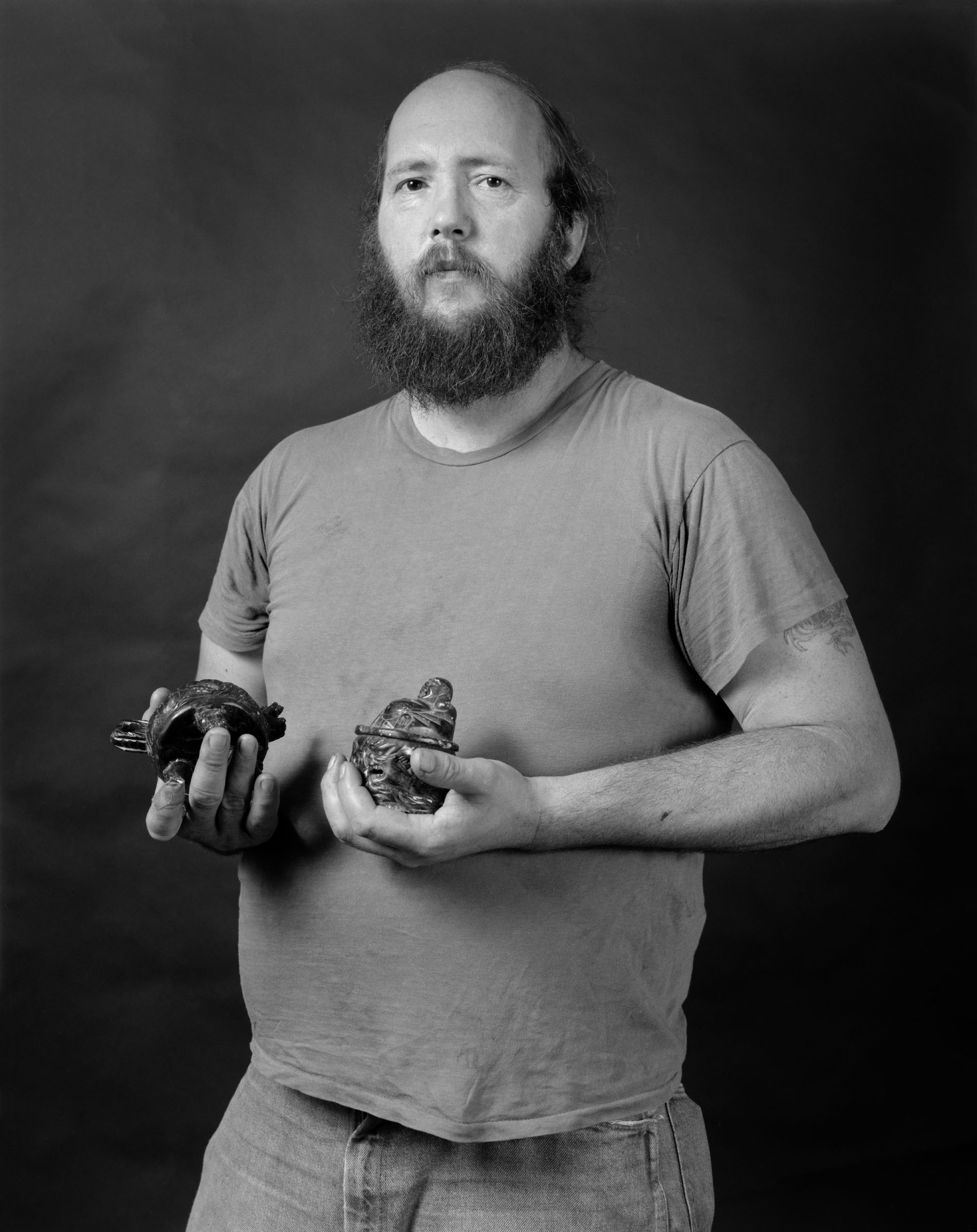
George was 41 when we interviewed him in 1990 at his home in Portland, Oregon. He was a big guy with a bushy beard but a gentle manner. He was suffering physically and emotionally from his wartime experience. You’ll hear that in his voice and in the silences as he remembers his role in the war. George and his team worked in the Central Highlands, where many of Vietnam’s ethnic minorities live. His LRRP unit would patrol the villages and countryside, and they carried out a number of assassinations on suspected Viet Cong.
George Silver 08:42
We traveled light. We were resupplied by chopper. sometimes. Sometimes we weren’t resupplied if we had to go into an area and we couldn’t break radio silence or anything else like that, we weren’t resupplied. And so we learned what was edible. There’s a lot of shit out there that’s edible, man. Tastes nasty, but it’s edible. It’ll feed ya.
William Short 09:13
George grew up poor in Wyoming. His father was a roughneck, someone who works on oil rigs. George had seen dead people before, but at 19 years of age, he’d never seen anyone die until he saw an enemy soldier blown up,
George Silver 09:28
Ragdoll flopped and spin and dropped. And I looked at him and he’s just leaking and dead. He didn’t even quiver when he slammed the ground. He’d just been blown to shit, and I had that right then, that I had to be goddamn good if I was going to make it out of Nam, because he didn’t make it. And it freaked me.
William Short 09:57
One day his team was trudging through a forested area. On their maps, it appeared nothing was there, but they kept bumping into fields that were obviously being farmed.
George Silver 10:06
This old nun was out in the field, and she hailed us and said, Hey, this is orphanage grounds, and will you please leave, our children are very scared of you. Me? I didn’t do nothing to nobody, and I’m a nice guy, and just because I looked like 14 years of jungle mold, it didn’t matter. Hey, I ain’t done shit to your children.
William Short 10:34
The team reported what they had found to headquarters. Their commanders ordered them to go back to find out what was being grown in those fields and who was growing it.
George Silver 10:43
And here we went, all cleaned up, and we took them a big box of stuff from a pharmacy. I don’t know what all it was in there. Got candy and a whole bunch of old French and Vietnamese funny books, and we’re going to give them to the kids, the candy to the kids and the stuff in the pharmacy to the nuns, and become good friends and then spy on them.
William Short 11:14
George and his team thought they were going to spy on the orphanage, but when the nuns sent the kids out to greet the LRRPs, the team fell in love with them.
George Silver 11:21
And those kids, shit. There was kids out there with, running almost as fast as everybody else with one leg, and kids that had been napalmed, had scars from white phosphorus, scars from machine guns. These nuns had been picking up kids that had been really fucked up by the war and fixin’ them, and making it so it was okay for them again.
William Short 11:55
The team started protecting the orphanage. They stole food from the U.S. Army to give to the kids. They knew the nuns were also giving aid to the Viet Cong, who Americans nicknamed Charlie. George, realized the nuns were just trying to remain neutral.
George Silver 12:10
We had surrendered to these kids. We were part of Vietnam right there. It was our place. It was it was our sanity. In the midst of insanity.
Willa Seidenberg 12:26
Sounds like it was a real sanctuary.
George Silver 12:28
Oh, God, it was, it was. You could feel the peace as you go inside. These nuns were mothers to everybody, and we became part of their children, you know, because, God, we’d been doing some really nasty shit.
William Short 12:44
The nuns insisted that the soldiers leave their weapons in the Mother Superior’s office. And George says he was getting a better understanding of the politics around the war.
George Silver 12:54
Because that was one of the things that nuns were doing with us, is politically educating us. We’d sit down, and we started listening to the history of the Vietnam and the history of how the French, you know, and their colonial and all these poor goddamn peasants kept getting it in the neck all the way through.
Willa Seidenberg 13:17
One day they were about three kilometers –that’s called three clicks in military speak — from the orphanage when they ran into a unit of Viet Cong soldiers.
George Silver 13:29
And we called in the gunships, and they ran for the orphanage, and the gunships followed them, and we had run the other way.
Willa Seidenberg 13:40
George and his team ran the other direction because they were trying to lead the Americans away from the orphanage. They were even shooting at their own helicopters in order to draw fire away from the nuns and the kids.
George Silver 13:55
They’re chasing Charlie right into the goddamn orphanage man, and I knew what they were going to do.
Willa Seidenberg 14:01
At this point in his story, George struggled to contain his emotions. It took a while before he could utter the next words.
George Silver 14:13
They blew the orphanage up.
Willa Seidenberg 14:14
While the orphanage was being bombed, George could hear the radio communication between the pilots and the door gunners.
George Silver 14:34
Talking about, got another one. They were counting their confirmed kills. Most of the confirmed girls were kids and nuns. As far as I know, they didn’t find any Charlie. The nunnery, where the nuns stayed was devastated. It was just rubble. Blown apart, and the hospital was falling in.
Willa Seidenberg 15:04
George and the others were devastated, and the surviving nuns asked them to leave. George was wracked with guilt that they’d brought this destruction to the orphanage. His team was in heavy mourning, and they decided to just quit the war.
George Silver 15:19
We didn’t see shit anymore, and we didn’t alert anybody to the possibility that there was another soldier in the area, and that other soldier didn’t really attack our guys and we didn’t attack them. Then we’d saved a hell of a lot of lives. We were real tired to death. We became aware that war is not two armies fighting each other, it’s the goddamn poor ass civilians who get caught in the middle.
William Short 15:53
The team carried on, and soon they found another sanctuary, a village with a big well in its center.
George Silver 16:05
A friend of mine said it looked like a well that his granddad had. Big stone well and stuff. And he said, That looks like my well. And I said, Well, let’s go sit by your well for a while to talk about this, and we slid on into the village, and put down our weapons.
William Short 16:26
There were a lot of young men in the village, which surely meant it was occupied by the Viet Cong. But George was feeling suicidal. He figured, if he was going to die there, so be it.
George Silver 16:37
We sat there for a while. This guy came out, about mid-inscrutable age, spoke really great English, and asked us what the hell we were doing there. We said, we were resting by your well. And he asked us if we were going to stay there long. And we said, Yeah, rest of the war. Hell that. We laughed and joked, and he’s looking at us like, what am I going to do with you guys? Am I going to have to kill you right here? Or have you killed or what? And we told them that we really weren’t into fighting anybody right at the time, and we just want a place to rest for awhile.
William Short 17:33
The team stole a water pump from their company. The pump helped the villagers maintain the right amount of flooding in the rice paddies. For several months, the village became their place of safety. But one day, as they were approaching the village,
George Silver 17:48
We were hiking in, and we see the smoke. It’s kind of way off in the distance. What the hell is going on?
William Short 17:59
They picked up their pace, and the closer they got, the more smoke they saw.
George Silver 18:04
And we come bursting up over there. Man, there’s a whole flock of goddamn Marines. They’re standing there, lining up the dead, dragging them out by the feet into a line, taking their pictures. This asshole, standing there chewing his cigar with his foot on one of our pumps.
William Short 18:33
All George could feel was hatred for his fellow Americans. He was part Native American, and he was beginning to see parallels between Vietnam and what the United States did to his Indigenous people. After the village was destroyed, the team was ambushed by enemy soldiers a few times, but the LRRPs wouldn’t shoot back to defend themselves. Remember, they had earlier decided to quit the war.
Willa Seidenberg 18:58
In the summer of 1969, George was injured by a Claymore mine. Claymores were used extensively by the U.S. military in Vietnam, and even in the 1990s you could still find them on paths out in Vietnam’s countryside. They’re fired remotely with a small hand generator. They send a wave of some 700 steel ball bearings, shredding anything in front of it.
George Silver 19:25
I was in a coma for almost a month. I woke up in a brain damage ward, and everybody was dead.
Willa Seidenberg 19:38
The army sent George to Japan to repair his broken body. He had a long list of injuries: broken hips, broken kneecap, broken jaw, and he was blind in one eye.
George Silver 19:51
Piece of shrapnel went in around there and rode the socket around and damaged my optic nerve, and I had shrapnel on the brain.
Willa Seidenberg 20:03
George later regained peripheral vision in that eye. For years, little pieces of shrapnel would work their way through his skin. He developed epilepsy from his injuries. When we photographed him, we were worried the strobe from the camera’s flash would set off a seizure. But George really wanted to be included in the portraits we were taking of the vets we interviewed. So his wife and I stood on either side of him, out of the range of the camera view, ready to catch him if the strobe caused any problems when Bill took the photo. Fortunately, George didn’t have a reaction. Instead of taking a medical discharge, George chose to stay in the military so he could go to electronics school.
George Silver 20:57
Shit, man, I didn’t know anything except how to kill people. I wasn’t ready to go back to civilian life. I was insulated by the services. They kept me away from the civilians. I figured that I was probably pretty dangerous at that time.
Willa Seidenberg 21:15
George was court martialed on charges of stealing military supplies, which he said he sold to the black market. But because of his service in Vietnam, he was still honorably discharged from the army with 100% disability. He died some years ago. He suffered seizures and Post Traumatic Stress Syndrome for the rest of his life.
William Short 21:45
Passive resistance is what you might call what George Silver’s unit did when they stopped actively participating in the fighting. Roy Barrington’s army unit did pretty much the same thing.
Roy Barrington 21:57
We were one of the units where they’d send us out on a recon and we’d go out 100 yards and sit down. We wouldn’t go looking for it. We liked it being peaceful. And I’ve summed up, because I’ve heard stories of it numerous, numerous times from other guys, that the Vietnamese in the area knew us, and they knew if they didn’t mess with us, we wouldn’t mess with them.
William Short 22:21
Roy was in the First Cavalry Division. His unit operated in a densely forested area known as the fFishhook. That’s a narrow land mass of Cambodia that extends into South Vietnam. During the war, it was a major supply and logistical center for communist forces. In May of 1970, the Nixon Administration secretly started sending troops across the border into Cambodia, which was a neutral country. Roy was among the U.S. and South Vietnamese Army troops sent on that mission.
Roy Barrington 22:52
And I walked point into this village, and the people were terrified. A bush rustled next to me and I fired, and it wound up being a little kid. And her mother came out and looked at me like, you motherfucker, you motherfucker. And I just, I was standing there and people, yeah, you got a gook, man, you got a gook, you got a gook, you got one. And I went, Whoa.
William Short 23:24
The next day, Roy’s unit found a massive cache of weapons in an area the soldiers dubbed Rock Island East.
Archival Sound 23:31
They picked up a great deal of enemy equipment, a mixed bag of weapons, old British rifles, some automatic weapons from the United States, from communist China from the Soviet Union.
William Short 23:42
In fact, it was one of the largest weapon seizures of the entire war. But in the process, Roy’s unit lost seven men, including his best friend.
Roy Barrington 23:51
Seven people are laying on the road. Seven GIs dead. These fucking officers come down in helicopters and step over their bodies to grab souvenirs. It was the day that I said, Fuck you.
William Short 24:05
The troops were told that the battalion commander and a general were going to visit to give them medals for a job well done. The officers ordered them to shave their beards because they expected the press to show up. Roy and his buddies were in no mood to be put on display. By the way, LZ is short for landing zone.
Roy Barrington 24:25
So I took cans of shaving cream and me and some other guys, and we put the LZ he was gonna land on, we put peace signs all over the place, and we go, Fuck the army. And I don’t know, eventually, a lot of guys started doing it, and this whole place was covered with them, you know. And it was also guys put up signs dedicating the LZ to the guys that had been killed.
William Short 24:49
The next day, a general and colonel flew in to give Roy and the others a Bronze Star. Full rank colonels are called “birds” by GIs to make a distinction between them and lower ranked lieutenant colonels.
Roy Barrington 25:03
We waited until just before the bird was coming in, we had them in the middle of the LZ, and we threw those cordite, the things that used to burn the motor blocks.
William Short 25:15
Cordite is a smokeless propellant that isn’t used anymore, but during Vietnam, it was sometimes used to burn waste or heat up sea rations.
Roy Barrington 25:23
And this guy is coming in and it’s all smoking and the cans are blowing up and shit like that. It was trivial, but it sure made me feel fucking good, guys. It made me feel that for the first time, I was really doing something consciously against it.
Willa Seidenberg 25:36
Reporters did accompany the general, and they told the soldiers that thousands of students were demonstrating back in the United States.
Roy Barrington 25:45
And some guy said, Fuck them. Fuck them. I said, right on, where are they?
Willa Seidenberg 25:49
The next day, the GIs learned that four students protesting the war in Vietnam at Kent State University had been killed by Ohio National Guard troops. That very day, Roy and three others decided to join Vietnam Veterans Against the War. VVAW was formed in June of 1967 by veterans opposed to the war, but they also welcomed active duty GIs, and by 1970, it had 30,000 members. Roy stopped shooting his M-16 during firefights, but he began shooting up heroin. He came down with malaria and was sent to a hospital in Cam Ranh Bay. He found even more anti-war sentiment at the hospital.
Roy Barrington 26:40
Because it was right after Cambodia, there had been a lot of casualties. A lot of guys had been hit, so the majority of the place was just packed, totally packed with grunts, and all we did was party. We would have circles of 200 people on the beach smoking dope. They’d come up with bullhorns and tell us to clear the beach and we wouldn’t do it.
Willa Seidenberg 27:07
More and more GIs in the field were rebelling.
Archival Sound 27:11
This is Alpha Company
Willa Seidenberg 27:12
On August 26, 1969 a headline appeared in The New York Daily News saying, SIR, MY MEN REFUSE TO GO.
Archival Sound 27:22
A company that for a short while, one day this week, stopped the war, at least its own small part of the war.
David Cortright 27:28
No one wanted to die for war that was obviously unworkable, and that was something that the country was essentially abandoning already.
William Short 27:37
This is David Cortright. He’s an Army veteran and author of the seminal book about GI resistance, called Soldiers in Revolt, published in 1975.
David Cortright 27:48
There were many soldiers who would be on patrol, and when their commander ordered a movement into a dangerous area, the troops would say, Well, let’s talk about it. Or, you know, show that they’re not willing to go forward.
Archival Sound 28:03
These young soldiers made news because for a few hours, they defied every basic military tradition, turned their backs on the first rule of basic training, don’t ask questions, just follow orders.
David Cortright 28:16
There was an article in Life Magazine, I think it was, where the title was, You can’t just hand out orders anymore. The troops were increasingly demanding a voice and refusing to go into combat. The one phrase was, you know, search and evade, going out on patrol and avoiding the enemy, and then coming back and saying, “reporting no contact, sir.”
William Short 28:47
Another veteran we interviewed in 1990 was stationed at the convalescent center in Cam Ranh Bay, a massive military installation on the coast, north of Saigon. That’s where Harry Haines was when he saw the cover of Newsweek with its famous photograph from Kent State. The photo showed an anguished 14 year old girl named Mary Ann Vecchio. She’s kneeling over the body of Jeffrey Miller, one of the students killed by the National Guard soldiers.
Harry Haines 29:15
One of these combat medics had been involved in anti-war demonstrations at Kent State University as a student. And the day that that image turned up, I and a group of other people spent the entire day trying to comfort this guy on a beach at Cam Ranh Bay smoking dope, and trying to comfort this combat-experienced medic Who was weeping over the loss of life at Kent State University, and all that we, you know, what I now refer to as the ideological contradiction, all that just solidified right there.
William Short 29:50
Many of the patients recuperating at the convalescent center did not want to go back to combat.
Harry Haines 29:56
Some of them desperately feared going back. Some of these guys believed that if they did go back, that was going to be it, that for one reason or another, they were going to lose their lives.
William Short 30:06
One of Harry’s jobs was to handle medical records.
Harry Haines 30:09
We would systematically lose their medical records. And this meant that as long as their medical records didn’t exist, they didn’t exist, we would just lose it and give them a break, you know, give them, oh, as much as two or three weeks additional time, you know. And then the inevitable would occur, and they’d have to go back. Without really talking about this, without really planning it, we tried as hard as we could to make it as difficult as we possibly could for commanders to get work done for objectives to be met.
Archival Sound 30:50
The U.S. command in Saigon has announced an ambitious new program aimed at combating the use of marijuana and hard drugs among American troops in Vietnam.
William Short 31:00
As this CBS News report indicates, by 1970 drug use among soldiers was a big problem for the military. Many of the GIs we interviewed first tried marijuana when they went into the service. Skip Delano got to Vietnam right after the Tet Offensive in 1968.
Skip Delano 31:19
When I went to Vietnam, sort of one of the only things I could look forward to as being something that might be fun was that in Vietnam, they had tons of marijuana. So I was anticipating become a real pothead as soon as I got there, and indeed I did. As soon as I got there, a cadre of potheads took me aside and introduced me to my first smoke.
Curt Stocker 31:41
There was a huge polarity between the pot smokers and the drinkers.
William Short 31:45
Curt Stocker was also in Vietnam in 1968.
Curt Stocker 31:48
It was almost like two countries existing in the same, closed environments. By that time, all the pot smokers were saying, the war is wrong, and the lifers and the boosters were saying, Yeah, well, the war’s right. We’re here, we got to do this. We got to do that.
William Short 32:01
Curt’s experience was echoed by Dave Hettick, who worked at an Army Mobile Surgical Hospital, a so-called MASH unit.
Dave Hettick 32:08
Everybody smoked marijuana, except the older guys, the lifers who drank. I mean, drugs were big, whether it was alcohol or marijuana or both. At the hospital, I mean, people would work 12 hour shifts and longer, you know, six, seven days a week. You needed to numb yourself out.
David Cortright 32:24
There’s the myth about drugs that is important to understand and to counter.
William Short 32:28
David Cortright, again.
David Cortright 32:30
Historians of the war can’t deny that the morale of the military collapsed and that the military was no longer an effective fighting force somewhere around 1970 going on, but they always say the reason for the morale problem was drugs. And they would never acknowledge that very large number of troops didn’t want to be there in the first place, or that the Black guys had a legitimate beef and were in almost open warfare with the military at times. The morale crisis of the military the resistance was not because of drugs.
Harry Haines 33:06
I never had a morale problem in Vietnam, my morale was always in very good shape. The morale of still committed officers and some of the enlisted personnel, their morale was in trouble. I came to think of them as being so out of touch with fundamental American values. In some ways, they were despicable.
David Cortright 33:29
Guys would be able to escape the war for a while, at least mentally, and listen to loud music and dream, and spiritually and emotionally be in another place for a while. I mean, the drug culture did get out of hand in a lot of ways.
Joe Bangert 33:49
Towards the end of ’69 heroin became a big deal in Vietnam.
Willa Seidenberg 33:54
Joe Bangert served in Vietnam with the Marines.
Joe Bangert 33:58
I was in Vietnam and began to see the switch from marijuana and seconalls as drugs of preference by GIs. I remember losing a couple of friends just from overdoses. I never touched heroin, but I saw the impact of heroin on GIs. The tension between the lifers and people that just wanted to survive the war without heroics grew to such a pitch, and the fact that naval intelligence service running around trying to find guys that were smoking marijuana to bust them and send them to the brig in Da Nang or to Long Binh jail was just too crazy.
Dave Hettick 34:32
Heroin started appearing, and guys were getting hooked on it really fast.
Willa Seidenberg 34:36
Here’s Dave Hettick again.
Dave Hettick 34:38
These were kids who maybe hadn’t even smoked marijuana before. And the heroin, the way they would take it, it was they’d smoke it, basically snorted in cigarettes and so forth. They would get strung out within like, just three or four weeks on some of this stuff, even though they weren’t injecting it, it was pretty powerful and cheap too.
Archival Sound 34:57
I’ve just purchased these two capsules of pure heroin. They cost me, for the two of them, a little over $5. At this price, anybody can afford to have a drug habit. And all of this is taking place just 100 yards from Tan Son Nhut Air Base, right before the unseeing eyes of the authorities.
Dave Hettick 35:13
The officers didn’t want to hear about, you know, I mean, it was amazing that they didn’t want to hear about drug use and they didn’t want to hear about racial tension at all. They just wanted it to go away. Nobody wanted to have their career wrecked because of something embarrassing happened in their command.
Willa Seidenberg 35:30
By 1970, the military command could no longer afford to ignore drug use amongst the troops. A Defense Department report in 1971 found that 51% of the armed forces had smoked marijuana and 28% had taken hard drugs like cocaine and heroin. Democratic Senator Thomas Dodd of Connecticut blamed illegal drug use for atrocities committed by U.S. troops. One brutal incident of mass murder by American soldiers was the infamous My Lai massacre in March of 1968 when up to 500 civilians were slaughtered.
Archival Sound 36:13
There was testimony last week that the night before the alleged massacre at My Lai, members of the Americale Division units which were involved in the incident, had been smoking marijuana. That was denied by the army, which did admit, however, that marijuana smoking among its men in South Vietnam has become a problem.
William Short 36:31
Blaming atrocities in Vietnam on drug use is bullshit. The Americale Division who perpetrated the mass killings at My Lai did it because they had no respect for the Vietnamese people, including our South Vietnamese allies. I smoked a lot of pot and even some opium when I was in Vietnam, but I never got stoned when I was on patrol, and neither did any other soldier in my unit. But we did get high when we got back to our NDPs, night defensive positions, which are small, 200-man defensive bases in the middle of the jungle. They seemed relatively safe, but in fact, we were always under the threat of being shelled by rockets, fired on by snipers, or even overrun by a ground attack. We’d spend three or four days on patrol in the jungle, and the minute we got back to the NDP, we drank and smoked as much dope as we could possibly consume while we waited for new orders to go back out on operations. It was during these down times in the NDP that we would bitch about the military and the war, and this is when most GIs discovered their opposition to the war in Vietnam.
William Short 37:36
In the second part of our look at GI resistance in country, we’ll hear how soldiers reacted to atrocities and war crimes that were widespread during the Vietnam War.
Dennis Stout 38:01
He said, The chaplain tells me you’re being a troublemaker. He says, If I hear another word about this, you’re going to go out on the next operation, you’re not going to come back alive.
William Short 38:15
This podcast is independently produced with crowd sourced funds. We thank the dozens of people who donated, and you can join them by going to our website amatterofconscience.com, you can also see a glossary of terms and show notes for this episode. If you like what you hear in this episode, please give us a review and tell others about it.
Willa Seidenberg 38:37
This episode was written, edited and produced by Willa Seidenberg, with help from Bill Short. Sound design is by Victor Figueroa. Polina Cherezova and Dylan Purvis are the associate producers. Our USC interns for this semester were Lizzy Liautaud and Dylan Rawls. Many thanks to the late Country Joe McDonald for giving us permission to use his song as our theme music. Original music arrangements are by Andrew Patinkin and Danny Seidenberg. We thank the Kazan McClain Partners Foundation for their generous support. Our fiscal sponsor is the International Documentary Association. Thanks also to Denise Abrams, Bill Belmont, Sam Short and David Zeiger. And finally, we thank the dozens of veterans who shared their stories with us.